- Subject
- Nutrition
- Filed
- Source
- Joseph Martinez
- Loans
- 388
10 Nike Running Shoes for Daily Miles, Long Runs, Speedwork and Trails
A runner-tested guide to 10 Nike shoes, with fit, cushioning and terrain details to help match a pair to your training.
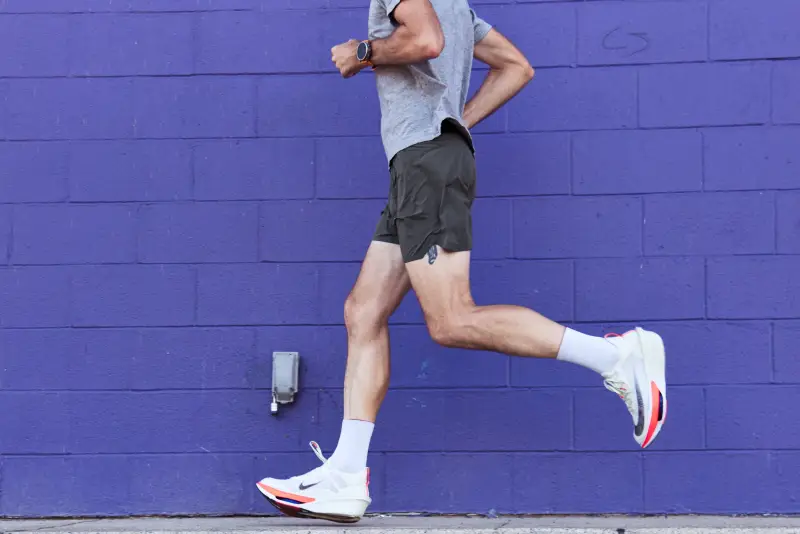
Nike’s current running range covers more than one kind of runner. The shoes here span cushioned daily miles, stability, faster workouts, road racing and trails. The main differences are practical: how much cushioning a shoe offers, how it guides the foot, how roomy it feels and what kind of surface it suits. A shoe that feels smooth and protective on a long road run may be too bulky for speedwork; a light trail shoe may feel sparse under the forefoot.
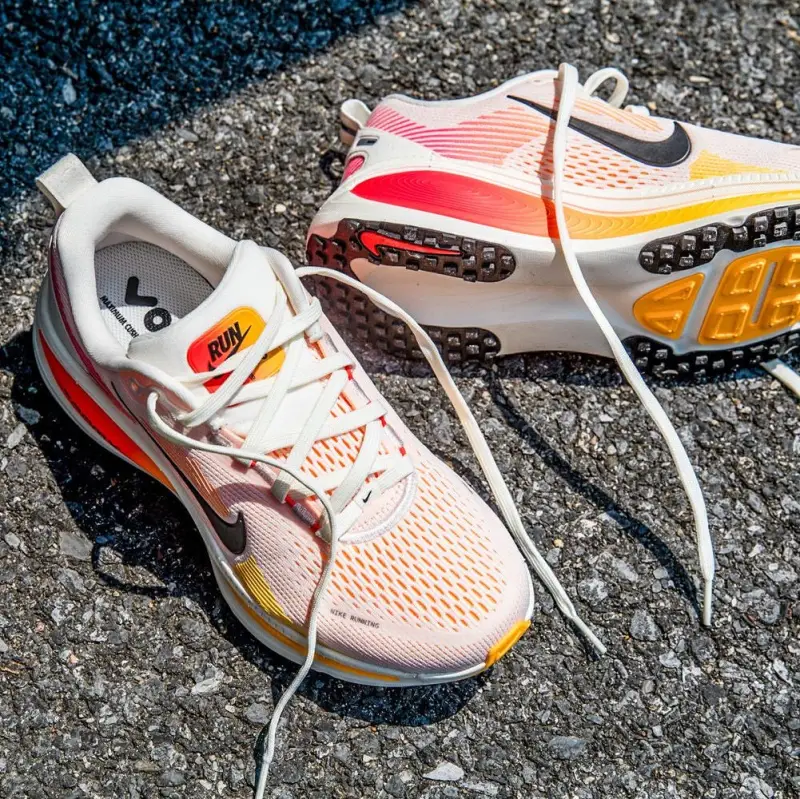
The selections draw on testing by a team of more than 300 local runners, with varied gaits, arch heights and footstrike patterns. Several testers also used the shoes across different kinds of runs. That gives the recommendations useful real-world range, though individual fit and comfort can still vary. The listed prices and availability may change.
At a glance: 10 picks for different runs
- Best overall: Nike Vomero 18. Soft, responsive cushioning and a roomier fit make it versatile for easy runs, long runs and daily training.
- Best value: Nike Winflo 12. A cushioned, springy option at $110, though its narrow fit may not suit every foot.
- Best for stability: Nike Structure 26. ReactX foam and midfoot support provide guidance in a cushioned daily trainer.
- Best value trail shoe: Nike ACG Pegasus Trail. A lighter, grippy choice for less technical trails, with a roomy toe area and less forefoot cushioning.
- Best daily trainer: Nike Pegasus 42. A smoother, springier road shoe with a full-length Air Zoom unit and an extra-wide option.
- Best for speedwork: Nike Pegasus Plus 2. ZoomX foam and an exposed Air unit give it a lively feel, though some runners may find it heavy for a performance shoe.
- Best stability for long runs: Nike Structure Plus. A high-cushion shoe with a wide platform and a blend of ReactX and ZoomX foam.
- Best for long runs: Nike Vomero Plus. A plush, bouncy shoe with a full ZoomX midsole.
- Best for marathon racing: Nike Alphafly 4. A lightweight racing shoe with a carbon plate and revised forefoot Air units.
- Best for groomed and technical trail: Nike ACG Zegama Trail. A protective, grippy shoe with a debris-blocking ankle cuff and a broad base.
How the shoes were assessed
The testing included runners with different foot shapes and running styles. That matters because a shoe’s listed purpose only tells part of the story: the way its upper holds the foot, the shape of its platform and the softness of its cushioning all affect how it feels on a run. Feedback included comfort, stability, traction and how the shoes handled changes in pace.

The reviewer’s own experience also informs the selection. Earlier Nike racing shoes could feel narrow and unstable to that runner, while newer designs such as the Vomero 18 have a broader fit. The brand’s range now includes options with different shapes and levels of support, so it’s useful to consider each model on its own rather than assume every Nike shoe fits alike.
Road shoes for daily training and comfort
Nike Vomero 18: best overall
The Vomero 18 is the most flexible pick in the group for runners who want substantial cushioning without giving up a responsive feel. Its wider shape sets it apart from some older Nike trainers, and testers described the ride as soft without feeling sluggish. It can serve as a daily trainer, a recovery shoe or a long-run option.

The cushioning is plush, but it still returns energy rather than simply absorbing each step. One tester, who had previously tried the Pegasus Plus, praised the smooth ride and said the extra padding didn’t make the shoe feel weighed down. Faster sections also felt manageable to that runner.
The trade-off is bulk. Some testers may find the shoe heavy or oversized, particularly if they prefer a close-to-the-ground feel or a lighter shoe for faster running. The listed weight is 10.5 ounces for a men’s model and 8.5 ounces for a women’s model, with a 10-millimeter drop. The broader fit may appeal to runners who find other Nike models too narrow.

Nike Winflo 12: best value
At a listed price of $110, the Winflo 12 is the lower-cost option among these road trainers. Its Cushlon 3.0 foam provides a plush, bouncy ride, and the shoe may suit regular easy running, base-building miles, longer outings or extended periods spent on your feet. The low price doesn’t mean the testers found its cushioning insubstantial.
Fit is the key caveat. The Winflo retains a narrower shape than the updated Vomero 18 and Structure 26. Runners who feel pressure across the foot may find it constricting; sizing up may help, though checking the fit in person is more informative than relying on the label alone. The listed weight is 11.4 ounces for a men’s size 10 and 9.2 ounces for a women’s size 8. It has a 10-millimeter drop.

Nike Pegasus 42: best daily trainer
The Pegasus 42 is designed to feel smoother and springier than its predecessor, the Pegasus 41. Nike added a full-length Air Zoom unit in the midsole, replacing the separate units used in earlier models. The continuous unit compresses through more of the shoe and is intended to improve energy return.
Testers described a rolling, supportive ride that can work for easy runs and longer outings, as well as for picking up the pace. The toe curves slightly upward, which may help make turnover feel smoother. The shape has also been adjusted to provide more room through the midfoot and toe area, and an extra-wide version is available for runners who need more space.

The upper is relatively thick, which may affect the feel for some runners. The shoe weighs 10.6 ounces for a men’s model and 8.6 ounces for a women’s model, with a 10-millimeter drop. A tester who used it on both faster runs and a two-hour outing said it felt smooth and supportive underfoot.
Nike Vomero Plus: best for long runs
The Vomero Plus is the more premium, fully cushioned option in the Vomero family, listed at $180. Its midsole uses ZoomX foam throughout, rather than the combination of ZoomX and ReactX foam found in the Vomero 18. The shoe has a 43-millimeter heel stack and a 10-millimeter drop; listed weights are 9.9 ounces for a men’s model and 7.9 ounces for a women’s model.
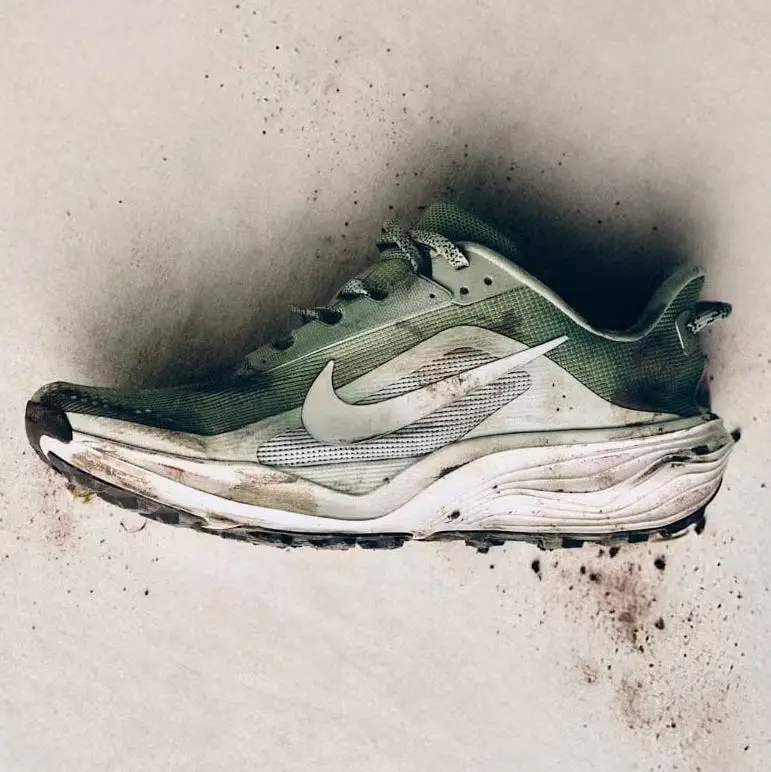
The high stack gives the shoe a plush feel, while the foam is intended to remain responsive. Its upper is described as cozy and breathable. The Vomero Plus is lighter and slightly shorter at the heel than the Vomero 18, and some testers found it bouncier. However, the reviewer didn’t notice a major difference in the ride. At a $25 price difference, the choice may come down to whether the lighter, all-ZoomX construction feels worthwhile to the individual runner.
One tester who had also tried the Vomero 18 felt the Plus was lighter, softer and faster. That’s one runner’s impression, not a guarantee that the change will feel the same to everyone. The substantial stack height may also be more shoe than runners who prefer a grounded ride want.
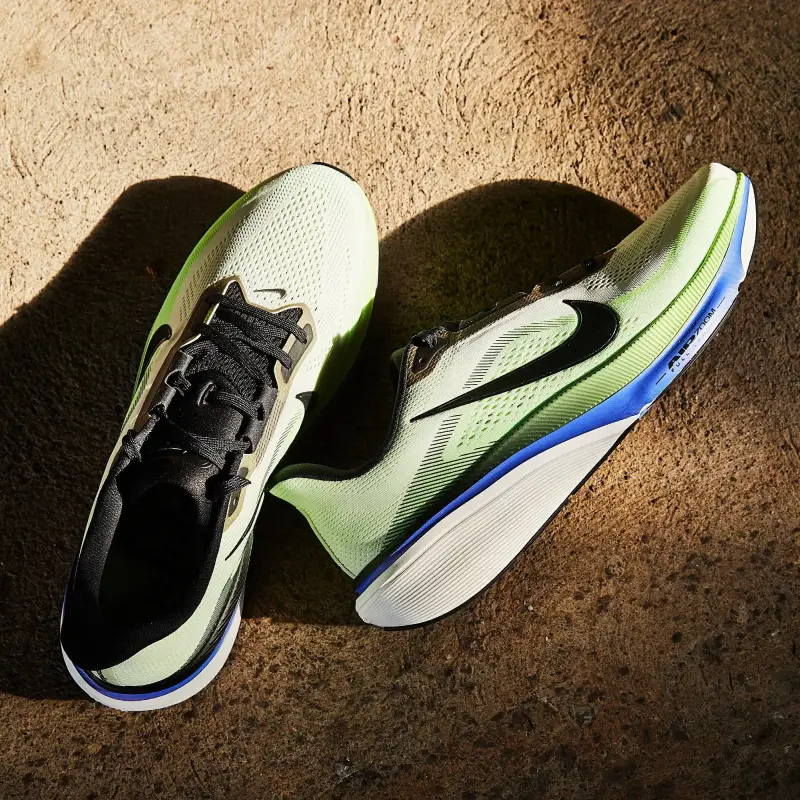
Support and faster training
Nike Structure 26: best for stability
The Structure 26 offers guidance in a road trainer that testers also used for different workout types. ReactX foam replaces the Cushlon 3.0 used in the Structure 25, giving the updated shoe more rebound. An internal midfoot band and side overlays add support, while the upper has more padding at the tongue and heel collar for a cushioned, secure fit.
Nike removed the forefoot Air Zoom unit and added blown rubber to the outsole, a change intended to create smoother transitions from heel to toe. Testers described the support as steady but not overly forceful. One used the shoe for easy runs, tempo efforts and strides, and felt secure even on wet pavement. Another valued the combination of stability and a lighter feel than expected from a supportive shoe.

The shoe may suit runners who want more guidance, including overpronators and neutral runners who prefer a supportive feel. That description doesn’t establish what any individual runner needs; comfort and fit remain personal. The thicker upper may retain heat for some. Listed at $145, the Structure 26 weighs 11.3 ounces for a men’s size 10 and 9.2 ounces for a women’s size 8, with a 10-millimeter drop.
Nike Structure Plus: best stability for long runs
The Structure Plus pairs a high-cushion ride with a broad platform and support features. Its midsole combines ReactX foam on the bottom with softer ZoomX foam on top. The shoe’s 42-millimeter stack is taller than the Structure 26’s. Nike uses a wider base, a convex flat sidewall and denser cushioning under the arch to maintain a sense of support.

A tester who overpronates found it dependable without feeling stiff or restrictive, and appreciated its balance of guidance and comfort on daily runs. The reviewer also wore it on long runs, including a 20-mile outing during marathon training, and found it helped maintain a stable feel as fatigue set in. Individual results will differ, but that experience helps explain why the shoe stands out for longer runs.
Some runners found the ride cumbersome. Those who prefer a more grounded feel or want to spend less may prefer the Structure 26, listed at $145 compared with $170 for the Structure Plus. The Plus weighs 10.8 ounces for a men’s size 10 and 8.7 ounces for a women’s size 8, with a 10-millimeter drop.

Nike Pegasus Plus 2: best for speedwork
The Pegasus Plus 2 combines ZoomX foam with an exposed Air unit in the forefoot. The Air unit compresses on impact and springs back, helping create the shoe’s quick, propulsive sensation. Nike reports 18 percent more energy return than the prior version. The unit’s size varies with shoe size, with the aim of keeping the sensation consistent across sizes.
Testers liked the soft heel landing and responsive toe-off. The roomier forefoot may also suit runners who have struggled with narrow Nike shoes. At 9.3 ounces for a men’s size 10 and 7.5 ounces for a women’s size 8, with a 10-millimeter drop, it is a lighter choice than several trainers in this guide. Still, one reviewer found it a little heavy compared with other speed-focused shoes. Some runners may also want a softer forefoot.

Trail shoes for different terrain
Nike ACG Pegasus Trail: best value trail shoe
The ACG Pegasus Trail is intended for less technical trails rather than the toughest terrain. Testers praised its traction, secure lacing and lightweight feel. Its broader forefoot and toe box leave room for the toes to spread, which can help the shoe feel secure over twists and turns. One tester described the fit as roomy without feeling bulky.
The shoe has less cushioning under the forefoot than some runners may want. A tester compared its lightweight, lower-cushion feel with the Altra Timp. That makes the ACG Pegasus Trail a plausible choice for runners who value a closer-to-the-ground feel, but a less obvious match for those seeking lots of padding. Its listed weight is 10.8 ounces for a men’s size 10 and 8.7 ounces for a women’s size 8, with an 8-millimeter drop.

Nike ACG Zegama Trail: best for groomed and technical trails
The Zegama Trail is the more protective trail option in the group, built for rougher, all-terrain use. Its Vibram Megagrip outsole has protruding lugs for grip, and a protective ankle cuff helps keep debris out. The upper uses durable mesh, while the secure lacing and broad base are intended to help the shoe feel stable on uneven, twisting trails.
The toe area is wide enough to let toes spread, another feature that can add to a secure feeling on trails. A tester who ran in snow liked the stretch collar for blocking debris and found the shoe easy to get into thanks to its modified gaiter-style collar and traditional tongue.

The trade-offs are weight and shape. At 11.9 ounces for a men’s size 10 and 9.6 ounces for a women’s size 8, it is heavier than the ACG Pegasus Trail. The outsole also flares outward. Its listed drop is 4 millimeters, and the shoe costs $180.
Marathon racing
Nike Alphafly 4: best for marathon racing
Listed at $280, the Alphafly 4 is the lightest shoe in this group: 6.6 ounces in the specified men’s and women’s sizes, with an 8-millimeter drop. It retains the broad design elements of the Alphafly 3, including a spoon-shaped carbon-fiber plate, ZoomX foam and Air units. The plate is slightly wider, a change intended to improve stability.
The thin Atomknit 2.0 upper has vertical bands to hold the midfoot more securely. Nike’s most notable change is at the forefoot, where the Air unit is softer and lighter. In testing, it visibly compressed under pressure, contributing to a springy feel and a smoother heel-to-toe transition alongside the shoe’s rocker shape.
The Alphafly 4 is quieter than earlier Alphafly models, but it still makes more noise than other high-performance racing shoes tested, and it can squeak. The available feedback is early, so runners interested in the model may want to look for more experience from people with similar fit preferences and race goals. A racing shoe’s feel is highly individual; the features alone can’t promise a faster result.
Foam, cushioning and fit: what to compare
Nike groups much of its road range by the kind of ride it aims to provide. Pegasus models emphasize responsive cushioning for everyday wear and varied training. Vomero models focus on maximum cushioning, while Structure models are built around support and stability. Those categories can help narrow a search, but the details of each shoe still matter: the Vomero 18 and Vomero Plus, for example, use different foam combinations.
The listed materials have distinct roles. Cushlon is a proprietary foam based on EVA and designed to provide support and springiness. ReactX is made using an injection process and offers more rebound than React foam. ZoomX, which is primarily made from PEBA, is Nike’s lightest and bounciest foam. Zoom Air units are air-filled pouches in the midsole: they compress on landing and spring back as the foot moves forward.
Fit deserves equal attention to cushioning. The Vomero 18, Structure 26 and Pegasus 42 have updates aimed at making the fit more accommodating, and the Pegasus 42 comes in an extra-wide option. The Winflo 12 retains a narrower shape, while the ACG Pegasus Trail and ACG Zegama Trail offer more room at the forefoot. Trying a shoe on and noticing pressure, heel movement and toe space can help clarify whether a model works for a particular foot.
Choosing a racing shoe
The Alphafly is Nike’s premium marathon racing model, with ZoomX foam, a carbon plate and Zoom Air units. The Vaporfly is another road-racing option, described as leaner and without Zoom Air units; it can be used for marathon distances and races as short as a mile. These broad distinctions describe their designs, not which shoe will work best for a particular runner.
Nike’s recent fit changes also reflect feedback from women during the development of the Vomero 18. The adjustments were applied to both women’s and men’s models, and a Nike representative said men responded positively to them as well. That broader fit may help some runners, but it doesn’t replace checking how a shoe feels on your own foot.
The clearest way to narrow the choices is to start with the run and feel you want: a cushioned daily trainer, a more guided ride, a light option for faster sessions, or a shoe built for a particular kind of trail. Then compare fit, weight and cushioning in person when possible. The specifications provide a starting point; the right match is the one that feels secure and comfortable across the runs it’s meant to handle.


