- Subject
- Nutrition
- Filed
- Source
- Thomas Martinez
- Loans
- 944
Nike Structure Plus Review: A Cushioned Stability Shoe for Long Runs
Nike’s Structure Plus pairs a broad, supportive platform with two foams for a softer, lively ride. Testers found it stable and comfortable, though some felt its weight.

Nike’s Structure Plus takes a stability shoe in a more cushioned direction, combining a wide base and supportive sidewalls with a responsive foam layer. In one runner’s marathon training and feedback from two testers who overpronate, it felt smooth and secure without forcing the foot into a set position. That experience suggests the shoe may suit runners seeking guidance on longer runs, though it’s an individual assessment rather than clinical evidence about injury prevention.

Two foams, one supportive platform
The Structure Plus builds on the Structure 26 as a more maximal, higher-cushioning option. The Structure 26 was listed at $140, while the Structure Plus was priced at $170. Nike developed the newer model to feel more supportive, smooth and soft, while broadening its appeal beyond runners who overpronate.

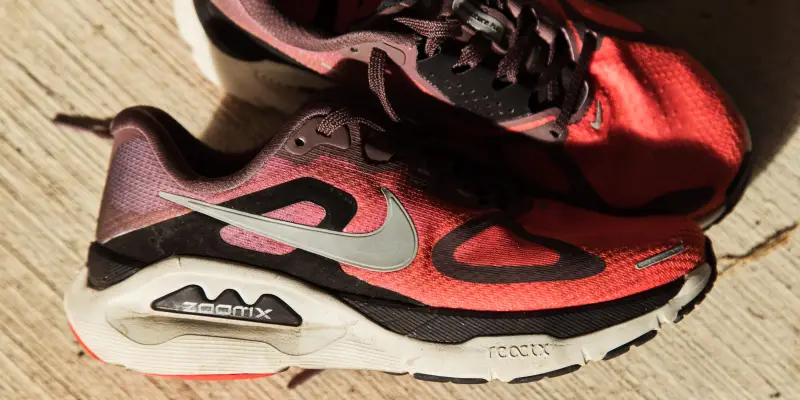
Its cushioning uses two materials: PEBA-based ZoomX, which is soft and springy, and TPE-based ReactX, which is firmer and adds stability. The combination also appears in other Nike shoes: ZoomX is used in the Alphafly, while ReactX is found in the Vomero 18. The Structure Plus differs from the neutral-focused Vomero Plus by pairing that cushioning approach with support features built into the shoe’s shape.

A wide platform gives the foot a broad base, and the shoe’s convex sidewall and denser foam under the arch are intended to help steady the ride and support alignment. The design aims to guide the foot without making it feel locked into place. Its broad shape may also work for some runners who find narrower shoes uncomfortable, although fit depends on the individual foot.

The listed stack height is 42 millimeters at the heel and 32 millimeters at the forefoot, for a 10-millimeter drop. Weight is 10.9 ounces for a men’s size 10 and 8.7 ounces for a women’s size 8. Despite its substantial cushioning, the men’s shoe is lighter than the Structure 26, listed at 11.3 ounces in the same size.
What the runs and tester feedback suggest
One neutral runner chose the Structure Plus for long runs during training for the 2026 Boston Marathon. After experiencing instability and repeated trips in the Vomero Plus, the runner described the Structure Plus as smoother and more controlled. The support felt like guidance rather than pressure to hold the foot in a particular position. Those observations reflect one runner’s experience; they don’t establish that the shoe prevents falls or running injuries.
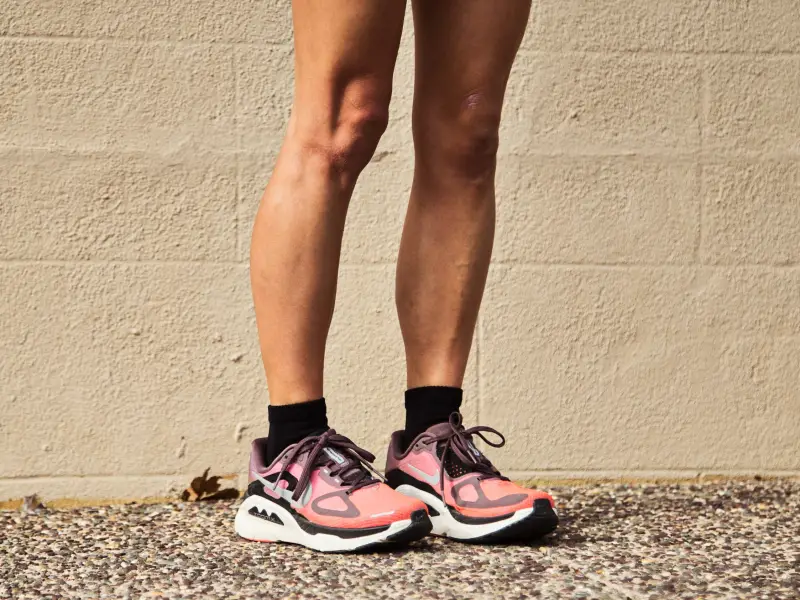
The feedback from two testers who overpronate also pointed to a comfortable, supportive ride. Julian Caiazzo described the shoe as dependable without feeling stiff or restrictive, and said the smoothness helped him settle into his stride. Katherine Thomas, who usually avoided Nike shoes because she found them insufficiently supportive, was surprised by the structure in this model.

That mix of accounts is relevant because the shoe isn’t framed as useful only for one running style. A runner doesn’t have to identify as an overpronator to try a stability shoe, and fatigue can change how a person’s form feels over a long run. Still, a shoe’s support won’t suit everyone, and personal impressions from a small number of runners can’t predict another person’s comfort or needs.

Who might consider it
The Structure Plus may be worth considering for runners who want high cushioning with a broad, stable-feeling base, especially for longer outings. Its wider platform could appeal to people who find some performance shoes tight through the midfoot or toes. The listed pros include its dual foam cushioning, lower weight than the Structure 26 and accommodating platform. The main drawback reported was that some testers found it heavy.
There’s a practical trade-off here: the tall stack and supportive construction add material underfoot, even with the lighter weight compared with its predecessor. Runners who prefer a close-to-ground feel, a more flexible shoe or a lighter ride may want to compare options in person. Trying shoes on and taking a few steps or a short run, where available, can help reveal whether the width, cushioning and support feel comfortable.
For runners dealing with persistent foot or leg discomfort, or choosing footwear around an existing health concern, a clinician or qualified running specialist can help discuss individual needs. A shoe review can describe how a model felt to a few runners, but it can’t diagnose a cause of pain or determine which shoe is medically appropriate.
The Structure Plus makes a case for stability through a combination of foam and shape, with early user feedback focused on comfort and control during longer runs. Its most useful next test is personal: whether that broad, cushioned platform feels supportive without feeling cumbersome over the distance a runner plans to cover.


