- Subject
- Nutrition
- Filed
- Source
- Joseph Rodriguez
- Loans
- 585
Advanced GPS Running Watches Compared: Battery, Mapping and Multisport Features
Six GPS watches offer different strengths for long runs, trail navigation and multisport training, with tradeoffs in size, battery life and connectivity.

Long-distance and off-road runners ask more of a watch than pace and distance. They may need reliable location tracking under tree cover or between tall buildings, maps that work without a phone connection, battery life for hours or days, and tools for sports beyond running. Six advanced GPS watches stand out for these demands, but their strengths differ: some prioritize expedition-length battery life, while others balance training data with everyday smartwatch features.
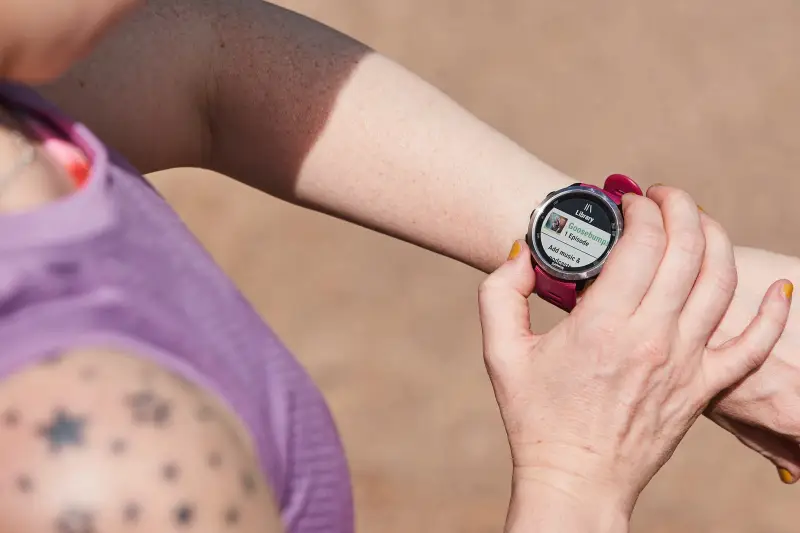
The assessments below draw on extended use across road running, trails, ultradistance events and other activities. They’re product reviews, not clinical research: claims about GPS performance, battery life and heart-rate accuracy come from testing and manufacturer specifications, and results can vary with settings, fit, environment and use. These devices can help track exercise, but their estimates and health features don’t replace medical assessment.

At a glance: six watches for demanding training
- Garmin Fenix 9 Pro Solar: A feature-rich choice for remote routes, with solar charging, multiband GPS and satellite connectivity. Listed at $1,100.
- Amazfit Balance Ultra: A lower-priced option in this group, with dual-band GPS, long claimed battery life and a bright display. Listed at about $600.
- Garmin Enduro 4: Built for long outings, with solar-assisted battery life, rucking features and route guidance. Listed at about $900.
- Suunto Vertical 2: A large multisport watch whose offline maps and battery life suit long days in the mountains. Listed at about $599.
- Garmin Forerunner 970: A lighter daily training watch with race planning, coaching tools and smartwatch functions. A listed sale price was $650, reduced from $750.
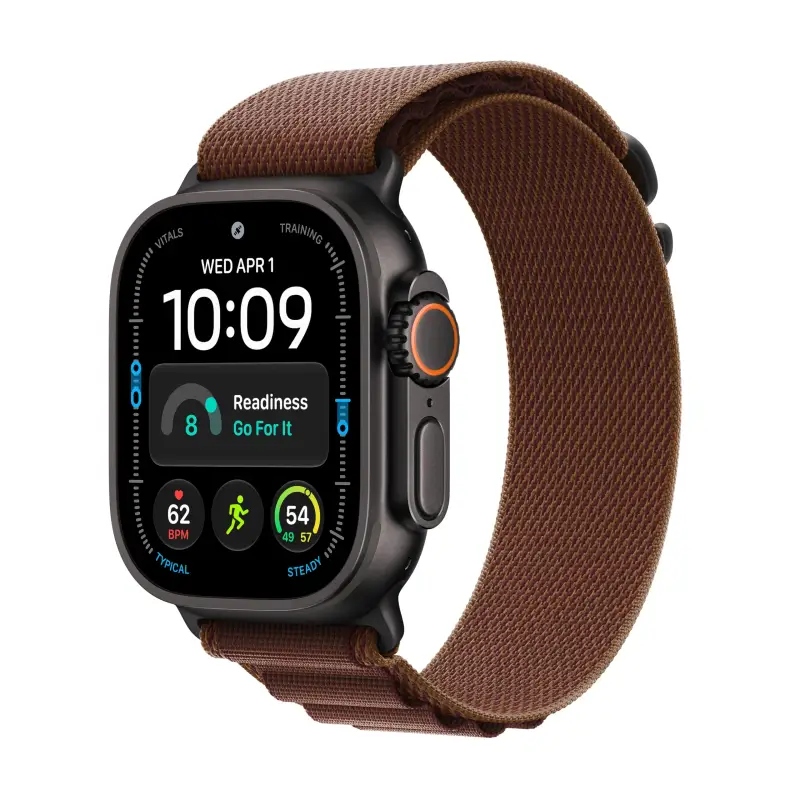
- Apple Watch Ultra 4: A connected option for iPhone users, with satellite features, apps and a stronger battery than its predecessor. Listed prices varied from $665 to $799.
Prices are the amounts reported at the time of the review and may change. Battery figures also depend on case size, GPS mode, display settings and other features in use, so they’re best read as comparisons rather than guarantees.
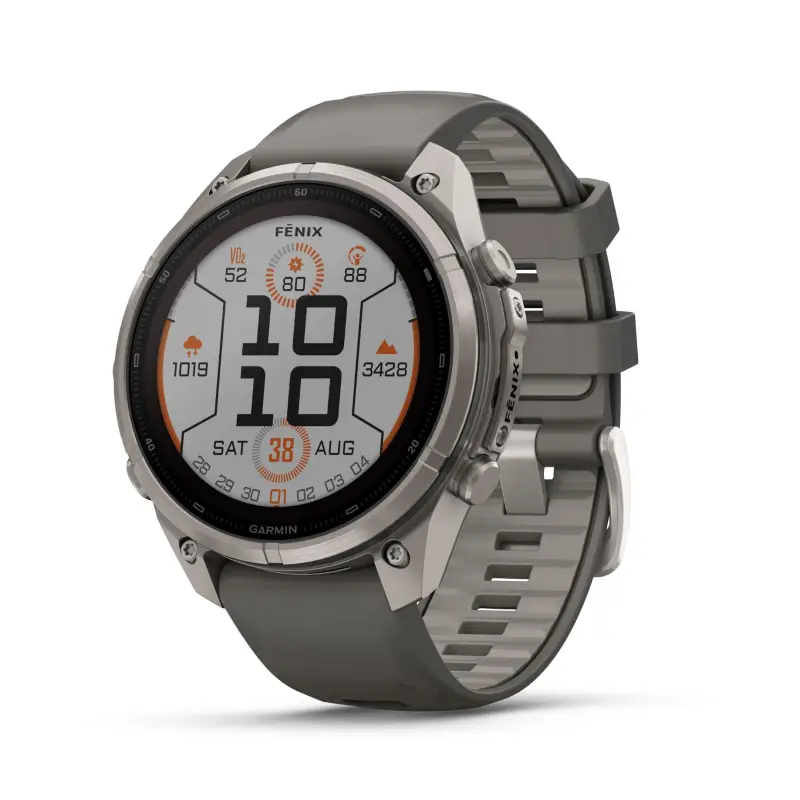
Garmin Fenix 9 Pro Solar: the most capable all-rounder
After more than 300 miles of testing, the Fenix 9 Pro Solar made the strongest overall impression. Its main appeal is a rare combination of detailed training features, a durable build, navigation tools and unusually long battery claims. A small but noticeable drawback: starting an activity or changing laps can take roughly half a second to a second, slower than the previous Fenix 8. The reviewer also remains dissatisfied with the Garmin Connect app.

Battery life depends on the 47mm or 51mm case and on the mode selected. Garmin rates the 51mm model for up to 57 days in smartwatch mode with solar charging, and the 47mm for up to 34 days. In the 51mm model’s maximum battery GPS mode, the stated figure is 186 hours, rising to as much as 1,000 hours with solar. In one 12-hour outing on remote Adirondack trails, using satellite tracking, the reviewer saw little battery drain. That single field test illustrates endurance, but it can’t establish what every runner will get.

Multiband GPS with SatIQ is designed to select suitable satellite settings and performed quickly in testing. The watch also supports Garmin inReach satellite connectivity, which can provide a way to communicate beyond cellular coverage when paired with the relevant service and equipment. The reviewer still carries a separate satellite communicator in remote terrain; a watch feature shouldn’t be treated as a substitute for a route plan or backup communications.

The 91-gram watch has a titanium case, sapphire lens and water resistance rated to 10 ATM, listed in the specs as up to 40 meters. Its solar option, storage, performance metrics and multiday activity tracking add to its appeal for athletes who train across several days. A built-in flashlight offers dimmable white, red and green light for visibility or close-up tasks. The model is expensive, but it suits runners who expect to use its navigation, endurance and training features regularly.

Amazfit Balance Ultra: long runtime at a lower listed price
The Balance Ultra offers substantial battery capacity and a broad feature set for about $600. Its Grade 5 titanium case, sapphire lens and 10 ATM water resistance are notable at that price. The watch weighs 57 grams without its strap, although its thicker profile may not suit everyone. The specifications list 77 grams, likely reflecting a different weighing configuration.

Amazfit rates the battery for up to 30 days of typical use, or 10 days with the display always on. In GPS use, the stated runtime is 50 hours in accurate mode; testing in power-saving GPS mode reached about 90 hours. These are different operating modes, and the longer figure involves a power-saving setting. The 1.5-inch AMOLED display was generally readable in direct sunlight.
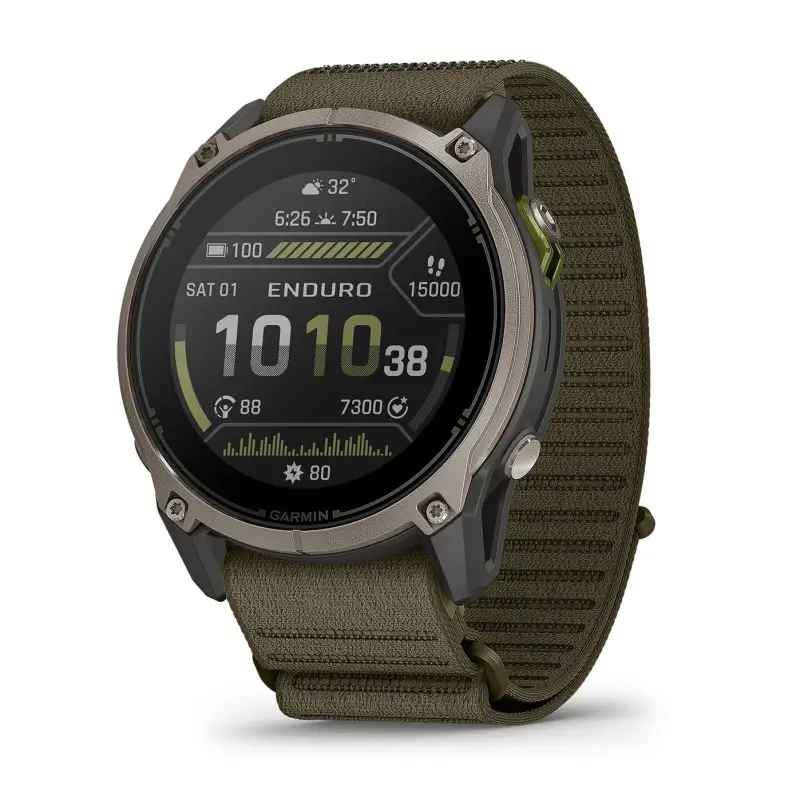
Dual-band GPS across six satellite systems is intended to improve tracking in places that can challenge a signal, such as urban streets or tree-covered trails. The reviewer found its performance comparable to multiband systems from other established sports-watch brands. The watch also worked well for running and Hyrox training. Its key usability flaw is that the side buttons are easy to press accidentally, sometimes starting an activity. It lacks satellite connectivity, so its long battery life doesn’t provide a way to communicate from areas without cell service.

Garmin Enduro 4: for long outings with a pack
The Enduro 4 is a modest update to the Enduro 3, adding storage, a more comfortable band and built-in activity profiles such as rucking and rowing. Garmin’s multiday activity tracker, Epic, is also included. Its 123-gram weight with the strap and large build may feel clunky for daily wear, but the design is aimed at extended trail use.

Battery is a central strength. The listed GPS runtime is 80 hours, or 144 hours with solar assistance. The watch combines multiband, dual-frequency satellite tracking with SatIQ, which can switch between settings to manage reception and power use. It also has a flashlight and 10 ATM water resistance, listed as 100 meters. The specifications don’t list satellite connectivity, despite broad safety language elsewhere in the product description; runners should check the exact model and service features they plan to rely on.
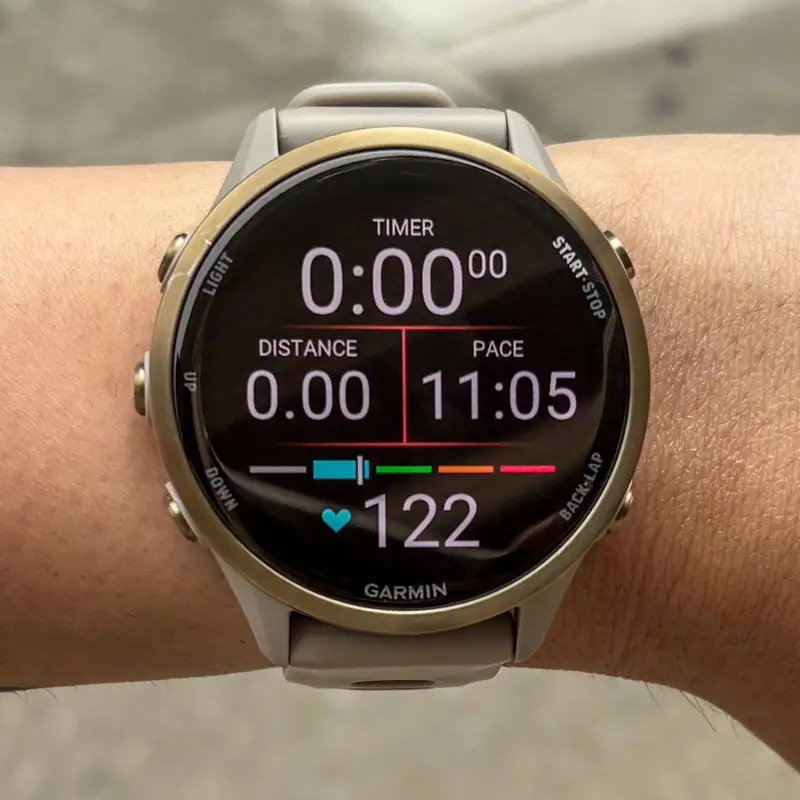
Two tools are especially relevant for carrying a load or navigating unfamiliar trails. Pack Weight lets users account for the weight of their gear when viewing effort estimates. Next Fork shows the distance to the next trail junction, helping runners check their route without digging through a map at every turn. The combination of long battery life, navigation and rucking support makes the Enduro 4 a strong fit for ultrarunners and people who spend full days moving through the backcountry.
Suunto Vertical 2: maps and multisport tracking
The Vertical 2 is best understood as a dedicated adventure and multisport watch rather than a compact everyday model. Its offline maps are described as detailed and easy to read, making them useful when a phone signal is unavailable. The watch supports running, cycling, skiing, hiking and other activities, and its 10 ATM water resistance is suited to demanding conditions.
Suunto lists up to 60 days of battery life in smartwatch mode. The watch weighs 88 grams and uses titanium and sapphire glass in the reviewed model. It supports multiband satellite navigation across GPS, GLONASS, Galileo, BeiDou and QZSS. The review reports strong runtime during long training blocks but doesn’t give a specific GPS-mode battery figure. As with other watches, actual runtime will depend on tracking frequency and settings.

The tradeoffs are its size, a less intuitive interface and the absence of cellular connectivity. Its navigation relies on satellite reception and offline maps; it doesn’t provide the same type of communication as a cellular watch or a satellite messaging device. For athletes who value route detail, broad sport tracking and battery life over a slim profile, those limits may be acceptable.

Garmin Forerunner 970: training tools in a lighter daily watch
At 51 grams, the Forerunner 970 is considerably lighter than the expedition-style models and is designed to work as a daily watch as well as a training tool. The reviewer used it for months and highlighted its multiband GPS, structured workouts, coaching features, recovery insights and race forecasts. GPS held up in tree cover and narrow streets during testing.

Race predictions use information such as VO2 max, training load and recent runs to estimate times from 5K through the marathon. When a race is synced through Garmin Connect, course markers and elevation-adjusted pacing can help users plan where to conserve effort or increase pace. These forecasts are estimates based on recorded training, not promises about race results.

The watch also supports multisport training, external sensors, notifications, music storage, contactless payments and wrist-based navigation. Its listed smartwatch battery life is up to 20 days, less than the solar-powered expedition models. The review describes its advanced features as potentially overwhelming at first, and the premium price may be hard to justify for people who won’t use the coaching and race tools. A flashlight and multiband GPS are included; the specifications list 5 ATM water resistance and satellite connectivity through multiband GNSS, not a separate satellite messaging service.
Apple Watch Ultra 4: connected features for iPhone users
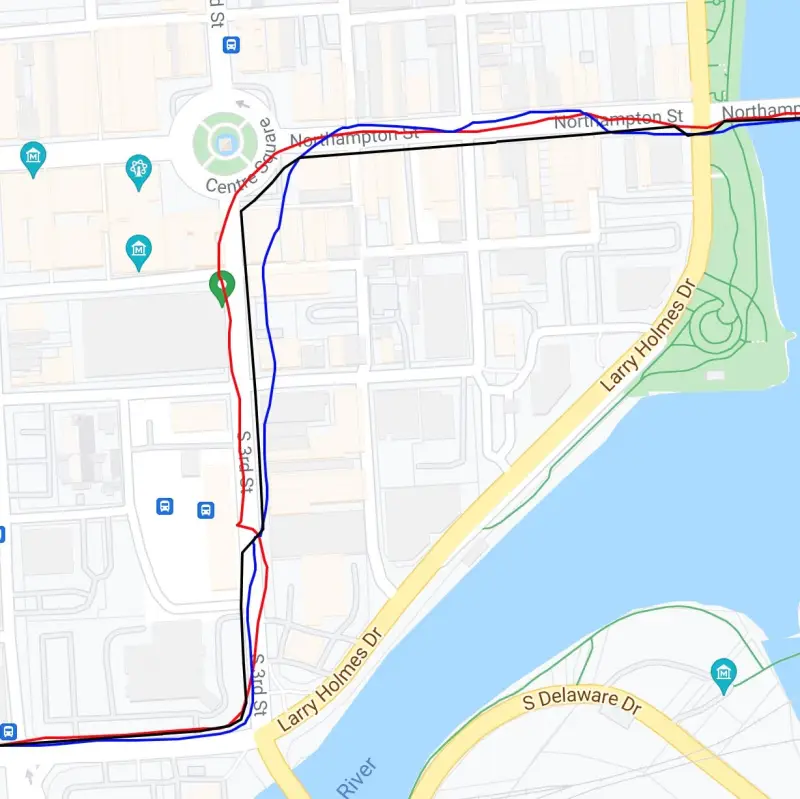
The Ultra 4 builds on the previous model with a substantially improved battery experience, faster charging and an updated heart-rate sensor, according to the reviewer. GPS appeared to lock on more quickly in use, although Apple was reported as making no change to that feature. Once connected, the watch tended to record distances 1 to 1.5 percent longer than the reviewer expected. That finding comes from one testing experience and may not apply to every route or device.
In a comparison with a Holter monitor, heart-rate readings were within two to three beats per minute during steady efforts, and drifted to five to seven beats per minute during harder running. A Holter monitor is a medical device used to record heart rhythm; this product comparison is not a clinical validation study. The reviewer also noted that the watch samples heart rate every five seconds rather than every second. People using heart-rate data for a medical concern should discuss the appropriate device and interpretation with a clinician.
The watch is listed at 63 grams without a strap, with multiband GPS, cellular connectivity, satellite features and water resistance rated to 100 meters. Battery life depends on use; the listed figure for the base mode is up to 10 days. The health app includes ECG and hypertension alerts, and the watch supports cycle insights, emergency satellite functions, apps and phone integration. These health features can provide information, but they don’t diagnose or rule out a condition. The review’s main training omission is a lactate-threshold estimate, while its heavier build may also matter to runners seeking a lighter watch.
What matters when choosing an advanced GPS watch
Start with where and how long you plan to use it. Dual-frequency or multiband GPS can help maintain tracking in settings that challenge satellite signals, including dense tree cover and streets between tall buildings. It can’t guarantee a perfect route trace, and settings that prioritize accuracy may use more battery. For remote trail running, offline maps and clear turn guidance may be more useful than additional health metrics. A watch with satellite messaging or SOS features may add a communication option, but those services have different requirements and should be understood before an outing.
Battery claims need context. A smartwatch figure, an accurate GPS figure and a power-saving GPS figure measure different kinds of use. Solar assistance also depends on exposure to suitable light and won’t make runtime unlimited. Consider the longest activity you expect to track, then allow room for navigation, music, notifications and cold or other demanding conditions to reduce the available charge.
Think about fit and the data you’ll actually use. A large, rugged watch may carry a bigger battery and maps but feel bulky every day. A lighter model may suit road training and daily wear. Heart-rate and recovery metrics can help describe patterns, but they’re estimates affected by fit, movement and individual differences. They should be treated as training information rather than a diagnosis.
Who is likely to benefit?
Most runners can record routine runs without an expedition-grade watch. The extra features are most relevant to people who spend long hours on trails, train across several sports, carry a pack, or need navigation away from familiar routes. A marathoner who wants structured workouts and race forecasts may prefer the Forerunner 970’s lighter form. Someone who often travels beyond cell coverage may prioritize offline maps, extended battery life and a separate communication plan.
Compatibility also matters. The Apple Watch Ultra 4 is the most natural fit for people already using an iPhone and its apps. Garmin’s models connect with Garmin Connect, while Suunto’s mapping and activity tools follow its own interface. Before choosing, consider whether the companion app and the way it presents training information work for you.
Safety features are useful, with limits
Some watches offer incident detection, live tracking, emergency contacts or satellite-based SOS and messaging. Their availability depends on the model, phone connection, subscription or paired equipment, and local satellite coverage. Offline maps and long-lasting batteries can also help with navigation, but they don’t ensure that a runner can be located or reach assistance.
For remote outings, a charged device is only one part of preparation. Runners can also share their route and expected return time, carry suitable navigation and communication tools, and account for the conditions and their experience. The right watch is the one whose tracking, mapping and communication features match the routes you actually run—and whose limits you understand before leaving cell service.


