- Subject
- Nutrition
- Filed
- Source
- David Williams
- Loans
- 970
Which Supplements Have Real Trial Evidence for Endometriosis Pain
A review of 34 studies finds vitamins C and E together have the most consistent trial support for endometriosis pain. Many popular picks lack human data.

If you live with endometriosis, you've likely been handed a long list of supplements by friends, forums, or social media feeds. The harder question is which items on that list have been tested in people with the condition, and which have only been tested in petri dishes or mice. A recent critical review tried to sort that out by examining 34 studies, and its findings are more useful than the typical "this vitamin changed my life" anecdote.

What the review actually looked at
Endometriosis affects roughly 10% of women of reproductive age, and medical treatments exist, but many people still look to supplements for extra support. The review covered omega-3 fatty acids, vitamin D, curcumin, resveratrol, N-acetylcysteine (NAC), alpha-lipoic acid, vitamins C and E, zinc, and magnesium. Of the 34 studies, 23 were randomized controlled trials, the design that comes closest to showing whether something works rather than whether it merely correlates with a condition.
The split between study types matters more than it first appears. Some studies only observed that people with endometriosis tended to have lower levels of a given nutrient. Others actually gave participants a supplement and compared outcomes. Those are very different questions. Finding that a group has low levels of something doesn't tell you that adding it back will change symptoms, and the review kept these two kinds of evidence apart.
Vitamins C and E together stood out
Of everything reviewed, the combination of vitamins C and E performed best. All four randomized trials testing that pairing reported reduced endometriosis-related pain. Four trials is a small number, and it's still early, but consistency across every trial is rare in this area of supplement research.
The proposed reasoning rests on oxidative stress. Both vitamins are antioxidants, meaning they help protect cells from damage caused by reactive molecules called free radicals. Endometriosis involves ongoing inflammation and tissue growth in places where that tissue doesn't belong, and those processes can generate free radicals. The idea is that neutralizing some of that damage may ease pain and calm inflammation. That's a plausible mechanism, but a plausible mechanism is not the same as proof, and the trials themselves are what carry the weight here.
Omega-3s and alpha-lipoic acid look promising, with caveats
Omega-3 fatty acids showed good results too, with two of three trials finding they helped with pain. Omega-3s are widely studied for their anti-inflammatory effects, which fits a condition driven in part by chronic inflammation. Two out of three is encouraging, though a single negative trial is worth keeping in mind.
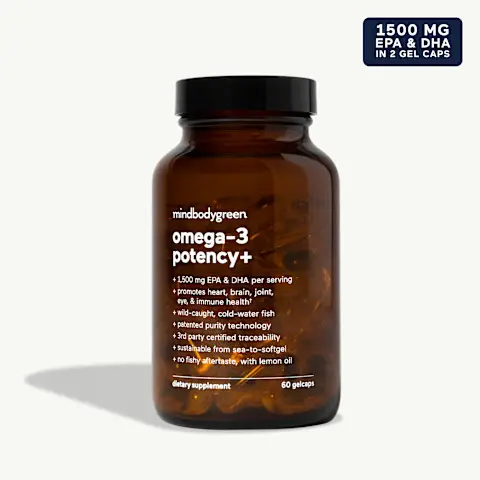
Alpha-lipoic acid, another antioxidant, also showed pain-relieving effects in the studies that examined it. The catch is that none of those studies were randomized controlled trials specifically for endometriosis. That leaves the evidence weaker than it looks at first glance, and it's a good example of why study design deserves a closer read than a headline.
Vitamin D, curcumin, and NAC: mixed signals
Vitamin D is the most interesting case in the review. Low vitamin D levels were linked to a higher risk of endometriosis, which suggests the vitamin may play some role. But when researchers tested whether vitamin D supplements helped, only two of four trials showed benefit. Those two results can't be read as "low levels mean supplements will fix it."
That gap points to variables the studies struggled to pin down. Where someone's levels started, how much they took, and how long they took it probably all shape the outcome. This doesn't make vitamin D useless. It means the relationship is more complicated than a simple deficiency story, and it's one reason a blood test and a conversation with a clinician are more informative than guessing.
Curcumin, the active compound in turmeric, showed positive results in one of two trials. NAC has little data specifically for endometriosis, although it has shown benefits in related conditions. Related-condition evidence can be a useful clue, but it doesn't transfer automatically to endometriosis.
Popular picks that still lack human trials
Several supplements that circulate widely haven't been properly tested in people with endometriosis:
- Resveratrol, EGCG, DIM, and quercetin: These have shown promise in lab and animal studies but haven't been rigorously tested in people with the condition.
- Zinc and vitamin E alone: Low levels are linked to higher endometriosis risk, but trials testing whether supplementing actually helps are missing. The vitamin C and E pairing is a different story, as covered above.
- Magnesium: Often recommended for period pain in general, but direct evidence for endometriosis is limited.
Lab and animal findings are where research usually starts, not where it ends. Plenty of compounds that look striking in a dish never behave the same way in a human body, because absorption, metabolism, and dose all differ. That's why the absence of human trials matters even when the early science is interesting.
Reading this in practical terms
If you're weighing supplements, vitamins C and E together currently have the most consistent trial support. Omega-3s are a reasonable option given their anti-inflammatory profile and the two positive trials. Neither is a substitute for the treatment plan you're already working through with a clinician.
The review also flagged low vitamin D, vitamin E, and zinc levels as linked to higher risk. If you've never had your levels checked, that's a sensible conversation to have with your doctor. Correcting a real deficiency is a different thing from taking high doses of a nutrient you aren't lacking, and high doses can carry their own risks. Talk to your doctor or pharmacist before starting anything new, especially if you take other medications.
Curcumin, resveratrol, and DIM may eventually earn a place in the conversation, but the evidence isn't strong enough yet for confident recommendations. Supplements should add to care, not replace it.
What to watch next
The most useful signal in this review is the gap it exposes. The vitamin C and E results are encouraging, but four trials is a thin base, and the omega-3 and alpha-lipoic acid findings need randomized studies designed specifically for endometriosis. Watch for larger trials that record dose, duration, and baseline nutrient levels, since those details are exactly what the current evidence is missing. Until those arrive, the most defensible position is cautious interest, not confidence.


