- Subject
- Nutrition
- Filed
- Source
- Michael Davis
- Loans
- 774
Six Affordable Running Watches for GPS, Training and Everyday Wear
These six watches cost $300 or less and cover key running needs, from reliable GPS and training plans to kid-friendly tracking and smartwatch features.

A running watch doesn’t need a long list of advanced metrics to be useful. For many runners, the essentials are reliable pace and distance, readable workout screens, a lap button that works on the move and enough battery to cover training. Six watches priced at $300 or less offer those basics, with different strengths for training support, GPS, everyday use and children.
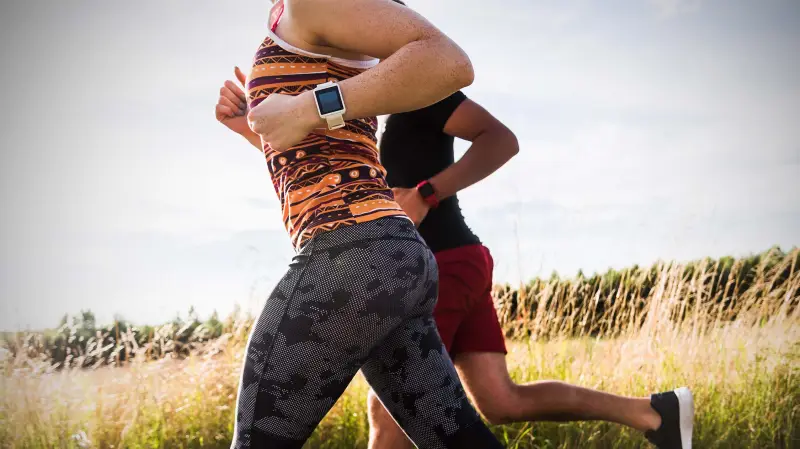
The picks span simple run tracking and coaching tools to offline maps and broader smartwatch functions. They don’t all offer the same precision or battery life, and manufacturer estimates can differ from everyday experience. The right fit depends on which features matter during a run and which ones you’ll use the rest of the week.
At a glance
- Best overall: Coros Pace 4, listed at $249, for accurate GPS, light weight and long run time.
- Best value: Amazfit Active Premium 3, listed at $170, for a broad feature set and offline maps.
- Best for structured training: Polar Pacer, listed at about $300, for race plans and recovery tracking.
- Best GPS and beginner training support: Garmin Forerunner 70, listed at $250, with free coaching plans.
- Best for everyday smartwatch features: Apple Watch SE 3 (40mm), with fitness tracking and a wider range of lifestyle tools.
- Best for younger children: Garmin Bounce, a durable watch with basic activity tracking and parent-facing features.
Coros Pace 4: a balanced running watch
The Coros Pace 4 combines a compact, light design with an always-on AMOLED display and dual-frequency GPS. The feature set suits runners who want accurate route recording and useful training data without moving into the highest price tiers. At $249, it’s the strongest all-rounder in this group.

Battery life is rated at up to 31 hours in GPS mode, or about 24 hours with the display always on. The watch weighs 40 grams with its silicone band and 32 grams with a nylon band, making it easy to wear through workouts and daily routines. Its screen is sharp and remains visible without requiring a wrist raise.
GPS performance is a particular strength. Dual-frequency tracking can help maintain a more consistent route in urban settings, where tall buildings and other obstacles can interfere with satellite signals. The watch also records running power, ground contact time and left-to-right strength balance. These measurements may interest runners who are refining training, though they aren’t necessary for building a running habit.

A voice log lets runners record post-run thoughts, which are transcribed in the Coros app. That can make it easier to keep notes about how a workout felt, alongside the watch’s numerical data. Navigation is more limited: it offers breadcrumb-style route guidance rather than full-color maps with turn-by-turn directions.
The interface has a few trade-offs. The digital dial can be awkward, particularly with gloves, and notification text may be too small to read easily while running. Still, its mix of GPS, battery life and training metrics makes it a versatile choice for runners who primarily want dependable workout tracking.

Amazfit Active Premium 3: many features at a lower price
Listed at $170, the Amazfit Active Premium 3 includes a broader set of tools than its price might suggest. It tracks pace, cadence, heart rate zones, running power and form measures such as ground contact time. Its training library also explains workouts such as tempo runs and fartlek sessions, which may help newer runners make sense of training terminology.
The watch offers offline maps with turn-by-turn navigation, so a runner can follow a route without relying on a phone screen. Other features include training load, VO2 max estimates, readiness suggestions, sleep tracking and heart rate variability (HRV). These measurements can help users spot patterns in training and recovery, but they’re estimates and shouldn’t be treated as a medical assessment.
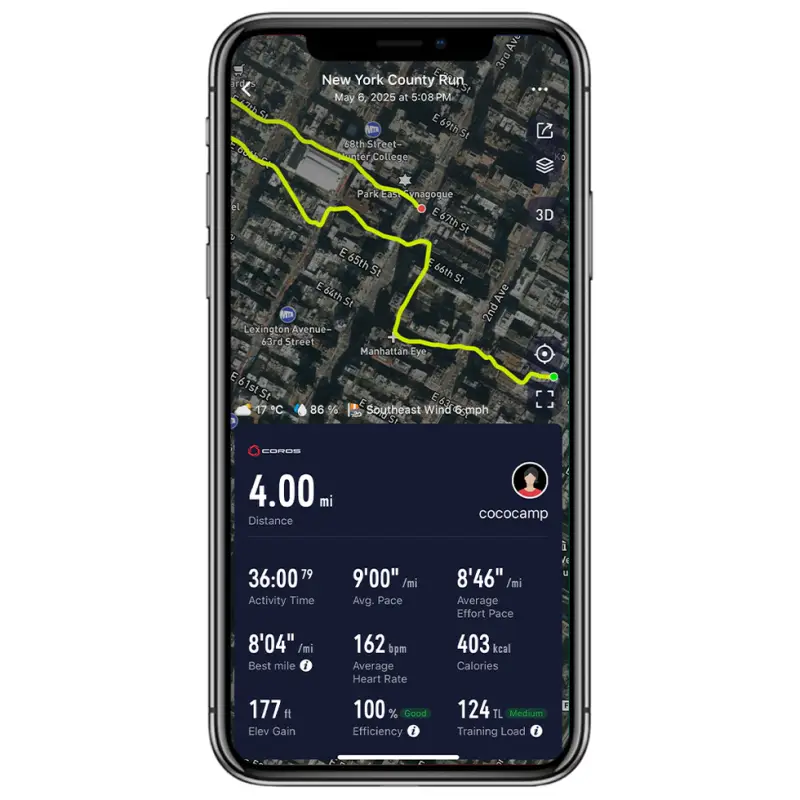
Battery life is listed at up to 12 days, falling to about seven days with heavy use. The watch supports multi-satellite GPS and NFC payments, and its AMOLED display provides a bright view of workout data. Those features make it a strong value for runners who want navigation and broader health and fitness tracking in the same device.
The main drawback is the on-watch experience. Some controls require more effort than they should, and the four buttons can be sensitive enough to register an accidental press from a sleeve. Buyers who prefer simple, predictable controls may want to try it on before choosing it.

Polar Pacer: support for race training
The Polar Pacer is aimed at runners who want a structured plan as well as workout tracking. Through the Polar Flow app, users can select a target such as a 5K, 10K, half marathon or marathon and set a race date. The app then builds workouts that sync to the watch, giving runners a schedule to follow without having to assemble each session themselves.
After intervals and long runs, the watch provides training feedback, while longer-term fitness tracking helps put individual sessions in context. Polar’s Training Load Pro feature monitors training strain and recovery. Fueling and hydration reminders offer additional prompts during longer efforts.
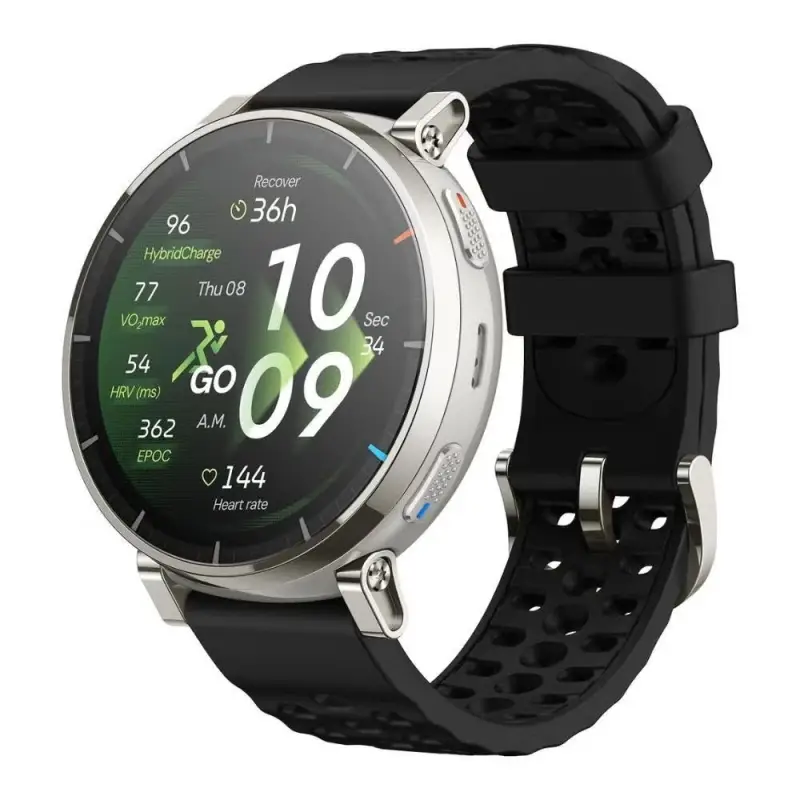
The Pacer’s 1.2-inch memory-in-pixel display is designed for efficient battery use and outdoor visibility. The listed battery life is up to 6.5 days, with up to 35 hours of GPS run time. Its post-run and training tools are a better fit for runners who value structured preparation than for someone looking only for pace and distance.
There are usability compromises. The screen leaves some space unused, and text can be small. The red button controls intervals rather than serving as the start-and-stop button, which may take time to learn. At around $300, it offers substantial training guidance, though runners who need highly precise heart-rate readings may prefer a dedicated chest-strap monitor.
Garmin Forerunner 70: accessible coaching and a bright screen
Garmin’s Forerunner 70 brings several training tools to an entry-level watch listed at $250. Its 1.2-inch AMOLED touchscreen looks more like a higher-priced model, and five physical buttons make it practical to navigate during exercise. Training Readiness and Training Status summarize aspects of recovery and training, while Quick Workouts can generate sessions directly on the watch.
Garmin Coach offers free plans for 5K, 10K and half-marathon goals, without a subscription. That gives newer runners a way to follow a structured schedule while learning how different workouts fit together. The watch also tracks heart rate, sleep, HRV and a run score.
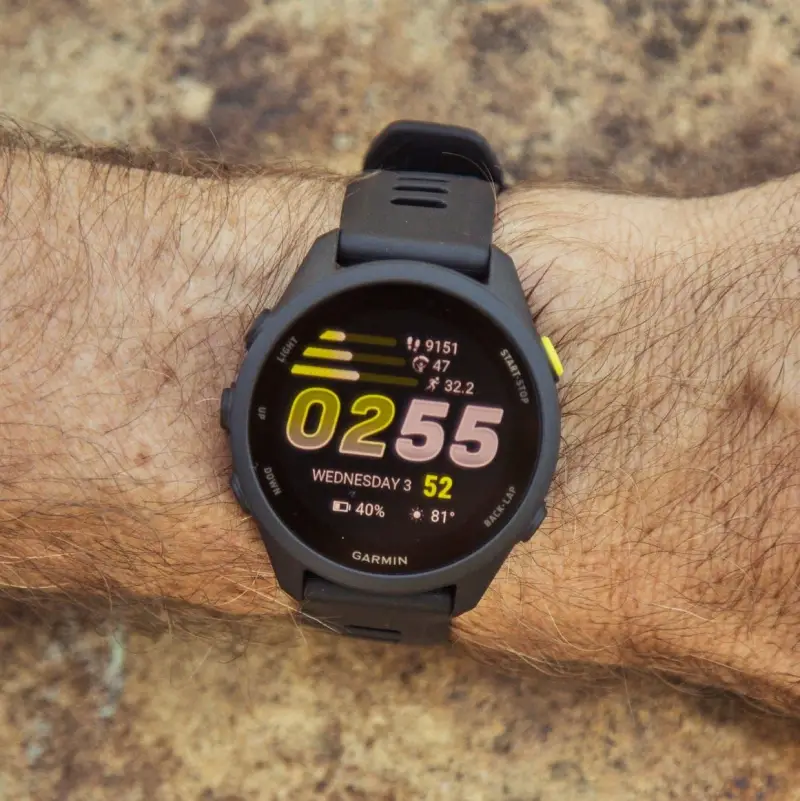
Battery life is rated at up to 13 days in smartwatch mode and 23 hours using GPS. Real-world results depend on settings and how often GPS is active; the review experience described roughly a week between charges. The watch is light enough for all-day wear and has an interface built around physical buttons as well as touch controls.
It lacks Garmin Pay and multi-band GPS. Those omissions matter mainly to runners who want contactless payments or additional satellite-tracking options. For someone focused on basic running data and coaching, the Forerunner 70 keeps the useful tools while staying below the prices of many advanced models.
Apple Watch SE 3: running plus everyday features
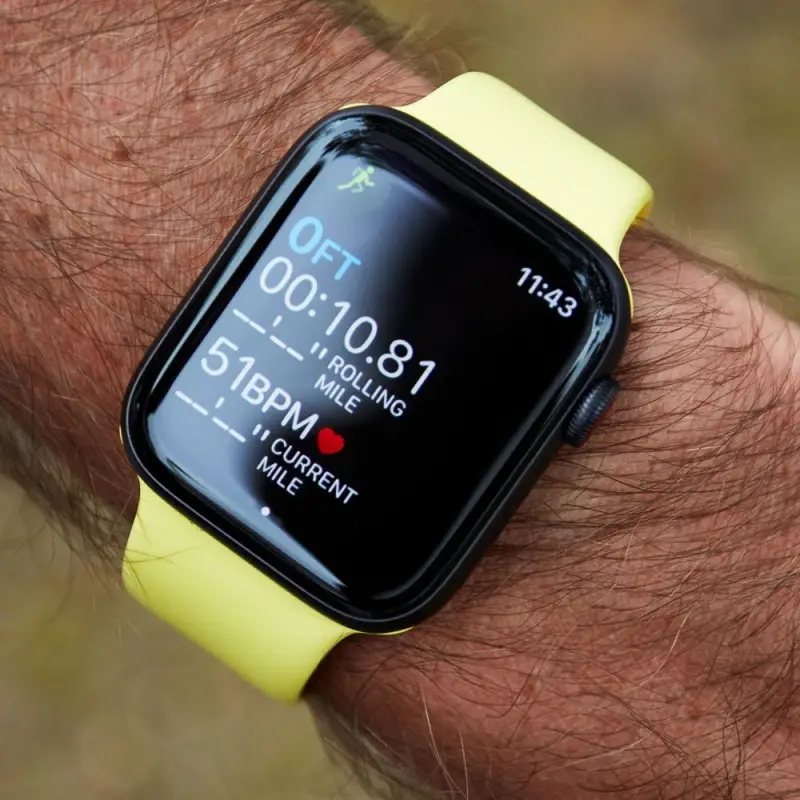
The 40mm Apple Watch SE 3 is the lifestyle-focused option. It can track the essentials for a casual run and adds features such as Apple Pay, Siri, a broad app selection and interchangeable bands. The 1.57-inch display is larger than those on most of the running-specific watches here, which can make the workout screen easier to read.
Apple Fitness supports custom workouts and displays metrics such as elapsed time, heart rate, rolling-mile pace, average pace and distance. Apple Health stores broader health information. Runners who want a different activity log can also use services such as Strava or Nike Run Club.
The watch is less specialized for running than Garmin or Coros models, and its battery is rated at 18 hours, so it may need daily charging. That shorter run time is a meaningful consideration for people who want continuous sleep tracking or frequent GPS workouts without charging breaks.
The SE comes in a larger 44mm version as well, though the 40mm model is a lighter option for smaller wrists. Its range of band sizes and styles may also help people who have trouble finding a comfortable fit. The trade-off is a more general-purpose training experience and less battery life than dedicated running watches.

Garmin Bounce: a child-focused activity watch
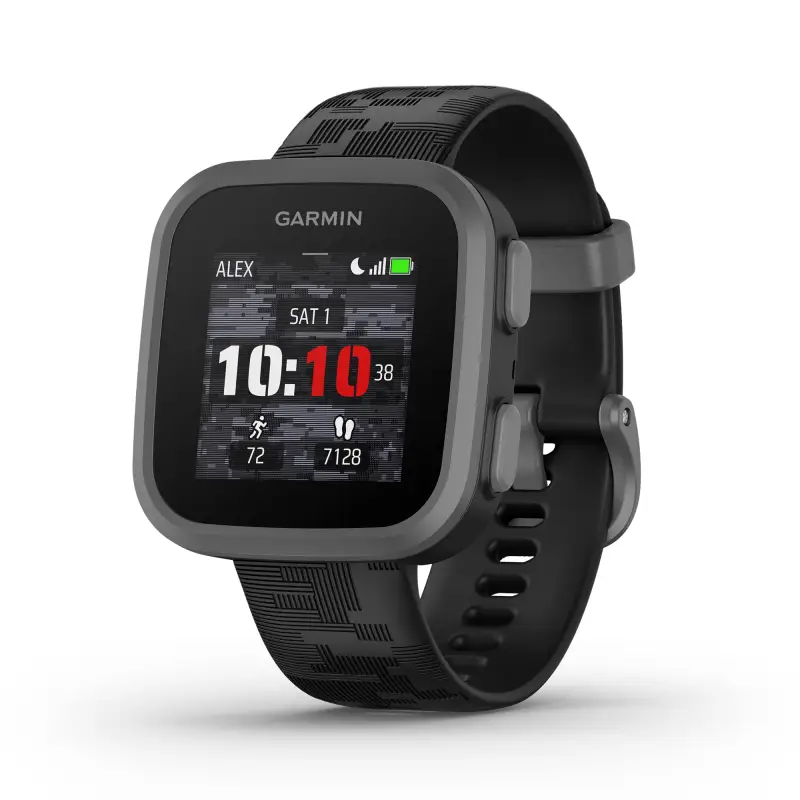
The Garmin Bounce is designed for children who want to track steps and basic activity. It pairs simple movement tracking with a colorful interface, games and parent-facing tools. Its durable, water-resistant design has an IP68 rating, and battery life is listed at up to two days.
For activity tracking, the Bounce focuses on time and distance rather than detailed running metrics. That limited scope may suit younger children who are just beginning to take an interest in exercise. Activity information syncs with the Garmin Jr. app, which parents can access remotely.
The watch also supports messaging and GPS tracking for parents. Some communication and game features depend on LTE service, which may require adding the watch to a mobile data plan; the listed added cost is about $10 per month. Families should consider that recurring cost and the watch’s limited tracking functions alongside its $150 list price. It was listed at $120 in the cited retailer offers.
What matters when choosing a basic running watch
For run tracking, the core functions are pace, distance, time, heart rate and GPS route recording. The watch should present those numbers clearly while moving and have controls that are easy to use with sweaty hands or gloves. GPS quality can vary with the watch and surroundings; tall buildings and crowded areas may make route tracking less consistent.
Many watches in this price range also estimate VO2 max, track sleep or offer multiple sport modes. Some turn workout data into training or recovery suggestions. Those features can add context, but they are not required to run well, and individual readings can vary. Optical heart-rate sensors use light to estimate blood flow near the skin and are generally useful for everyday trends. A chest-strap monitor can provide more accurate heart-rate readings when precision matters.
Display type affects readability and battery use. AMOLED screens offer strong contrast and bright colors, while memory-in-pixel displays tend to use less power and can remain easy to read outdoors. Screen size across these watches ranges from about 1 to 1.6 inches. A larger display can show more data or a map, but fit and legibility matter more than screen size alone.
Battery estimates are best viewed as reference points. GPS workouts use more power than basic smartwatch functions, and continuous tracking can shorten the time between charges. Settings such as an always-on display also affect battery life. Consider how often you run and whether you want the watch to track sleep or other activity between workouts.
Companion apps store workout data and provide a larger screen for changing settings, building workouts and reviewing trends. Garmin, Coros, Polar and Apple each have their own apps, and some watches connect with third-party platforms such as Strava and Runna. App organization can matter if you plan to review your training regularly.
Comfort is another practical factor. A watch should sit securely without feeling too tight, and an adjustable or replaceable band can help improve the fit. If possible, try the watch on before buying, especially if you have a small or large wrist or prefer a lighter device.
How the selections were made
All six watches meet a $300 price limit. The selection prioritizes pace, heart rate and location tracking, along with usable battery life and features that make sense for each type of runner. Some add multi-sport modes, advanced biometrics or coaching plans; the value of those extras depends on how a person trains.
Affordable watches can be a practical way to learn which data is useful before spending more on specialized features. A runner who later wants more detailed metrics can make that decision with experience using pace, distance and workout records. The watch provides information; consistent training remains the work that drives progress.
Common questions
What is Strava?
Strava is an activity-tracking platform where people can upload runs, review personal records and share workouts with other users. It can also collect training data from different watch brands in one place. Some features, including more advanced training metrics, are part of its paid membership.
Can a running watch help monitor heart rate?
Wrist watches use optical sensors to estimate heart rate by detecting changes in blood flow near the skin. Those readings can help users follow general patterns during exercise, but they may not match a dedicated chest strap. Heart-rate targets also depend on the person and the training goal, so a single zone should not be treated as a universal prescription. Anyone using heart-rate data to guide exercise around a health condition can discuss the approach with a clinician.
How does GPS accuracy work?
Watches use satellite signals to record location and distance. Tracking quality depends on the device and conditions such as nearby buildings or crowds. Some watches can connect to multiple satellite systems, which may help when a signal is disrupted, but no GPS track is perfect.


