- Subject
- Nutrition
- Filed
- Source
- Christopher Davis
- Loans
- 574
11 Women’s Running Shoes for Comfort, Cushioning and Different Running Needs
Our tested picks span daily training, recovery, speedwork and trails, with notes on fit, cushioning and support to help narrow the options.

A running shoe can feel cushioned and comfortable yet still be a poor match if the heel slips, the forefoot feels tight or the ride feels sluggish. These 11 women’s models cover different needs, from easy daily miles to racing and trails, with fit and feel often separating one option from another.
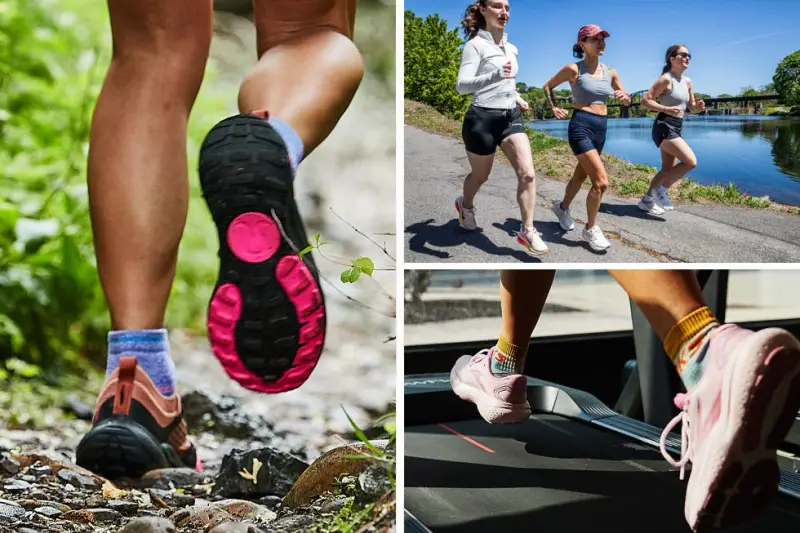
Women’s shoes have increasingly been designed around differences in foot shape and proportions. Women’s feet are often wider at the forefoot relative to the heel, so a shoe with more room up front and a secure heel can suit some runners better. That doesn’t mean every woman needs a women-specific model, or that any one shape fits everyone. Trying shoes on and paying attention to how they feel underfoot remains useful.

How the shoes were assessed
The recommendations draw on feedback from a group of 300 local wear-testers and editors with running experience. Each shoe was tested for at least 100 miles, with attention to comfort, performance, ride, durability and value. The team tried models on trails, tracks, roads and treadmills, and included runners with different body types, foot strikes, training goals and biomechanics.

That range of experience helps show how a shoe behaves in varied settings, but comfort is still personal. Cushioning, support and fit can feel different from one runner to another, so the category labels below are best read as starting points.

Daily training and value
Brooks Glycerin 23: best overall
The Glycerin 23 stood out among women testers as a versatile daily trainer, including for long runs. Testers preferred its fit to the Brooks Ghost 18; some reported hot spots near the bunion area in the Ghost, while the Glycerin’s broad platform, soft knit upper and roomy toe area were better received.

Its DNA Tuned midsole foam aims to balance softness with a responsive feel. One tester described the shoe as cushioned enough for long runs without feeling like it dragged when the pace changed. That combination makes the Glycerin a plausible everyday choice for runners who want substantial cushioning but don’t want a sluggish ride.

The trade-offs are a slightly stiff forefoot and a somewhat bulky feel. The shoe has high cushioning, neutral support, an 8 mm drop and weighs 8.7 ounces. Its listed price is $175.

New Balance Ellipse: best value
The Ellipse is designed for easy, recreational running, with a high-cushion feel and a springy response. Testers described the Fresh Foam X midsole as plush and bouncy, with shock absorption suited to daily outings, group runs and recovery days. One runner compared its cushioning to the Hoka Bondi, while finding it less heavy.

The shoe’s easygoing character is also its limit: it’s bulky and not intended for speedwork. It has neutral support, an 8 mm drop, high cushioning and a listed weight of 7.7 ounces. Multiple widths are available, a useful feature for runners who need more room. The listed price is $145.
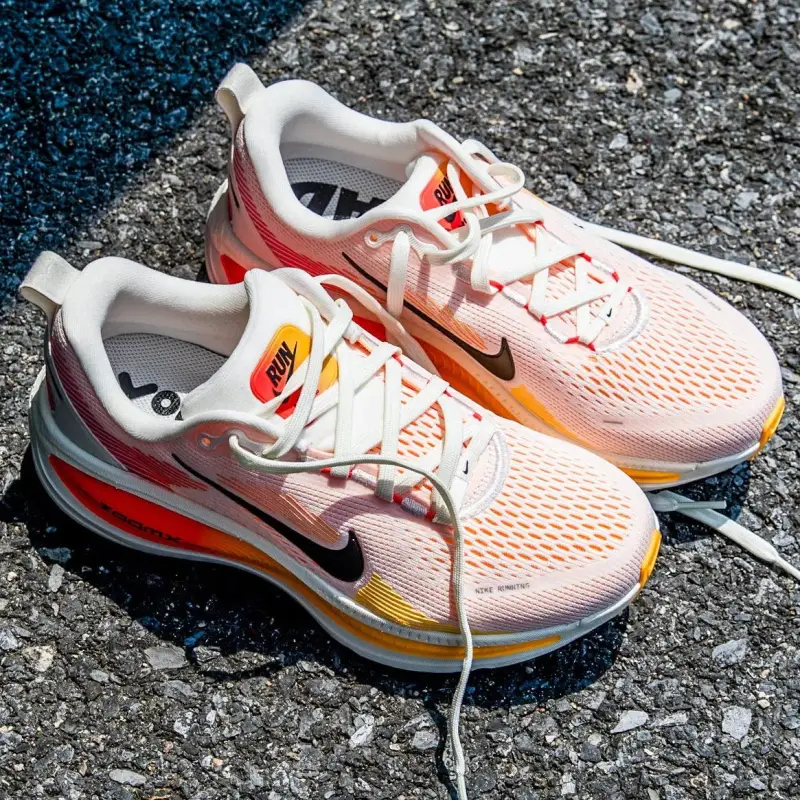
Comfort for run/walk days and recovery
Hoka Clifton 11: best for run/walking
Early testing of the Clifton 11 was positive, though the model was still being evaluated. Its compression-molded EVA midsole provides a soft, supportive platform with a high-rebound feel. Hoka’s Meta-Rocker shape is intended to help the foot roll through each step, which can make the shoe comfortable across changes in pace.

The upper feels accommodating through the midfoot while holding the heel securely. Testers found the Clifton useful for everyday training, recovery and run/walk outings. It’s less responsive than some trainers made with supercritical foams, so runners looking for a particularly lively or fast ride may prefer another option.

The Clifton 11 has high cushioning, neutral support, an 8 mm drop and weighs 8.3 ounces. Its listed price is $155.

Hoka Bondi 9: best for recovery
The Bondi 9 adds 10 millimeters of midsole height while adopting a sleeker profile than its plush reputation might suggest. Its supercritical EVA foam offers soft support and energy return. Testers especially liked it for recovery runs, walking and long, relaxed outings, although it was also tried at faster treadmill paces.

One tester praised its smooth roll and protective feel, describing a secure fit around the tongue and collar. Testers also rated its stability highly and appreciated reflective details. The main fit caveat is that the Bondi 9 is narrower than earlier versions, so its room may not suit every foot.

It has high cushioning, neutral support, a 5 mm drop and a listed weight of 9.3 ounces. The listed price is $175.
Faster running and race day
Adidas Adizero Evo SL: best for speedwork
The Adizero Evo SL pairs a light build with Adidas Lightstrike Pro foam, a material also used in the brand’s racing shoes. A tester who raced in it found a springy, cushioned ride that felt comfortable at different paces and particularly good during harder efforts. The shoe weighs 6.6 ounces and has a 6.5 mm drop.

Its lightweight feel and heel-lock position were among the positives. One tester reported a fast 5K in the shoe and liked that it felt responsive without a carbon plate. Some testers wanted more support, however, so it may not feel secure enough for everyone. Cushioning is rated mixed, and support is neutral. The listed price is $150, though the source material noted frequent discounts.
Saucony Endorphin Elite 3: best for racing
The Endorphin Elite 3 retains a pronounced, springy ride from its TPEE foam, but the update aims to make that bounce easier to manage. Testers found the heel and midfoot more connected than in the previous model, helping the shoe feel more stable through turns. A grippy PwrTrac outsole adds traction.

The shoe’s energetic feel may take a couple of runs to get used to, and testers noted that it can be noisy. Its upper is knit and secure, while the revised plate and midsole provide more stability than before. It weighs 6.5 ounces and has an 8 mm drop. The listed price is $290.

Support and roomier fits
Brooks Adrenaline GTS 25: best for stability
The Adrenaline GTS 25 adds foam to the heel and forefoot: 1 millimeter at the heel and 3 millimeters at the forefoot. The change produces a slightly taller platform, a lower heel drop and a more responsive feel. Its guide rails on both sides of the shoe are designed to help guide foot movement, offering a stability-focused option for runners who prefer that structure.

Testers described the shoe as secure across slick sidewalks and uneven dirt paths. Its upper is plush and flexible, and the heel provides a cupped feeling for runners who land heavily there. Several testers wished the laces were longer.

The shoe has maximum cushioning, stability support, a 10 mm drop and weighs 9.5 ounces in a women’s size 8. The listed price is $155.

Altra Torin 9: best for wide feet
The Torin 9 is an early follow-up to the Torin 8, with testing still underway. Its zero-drop design places the heel and forefoot at the same height, while dual-density foam provides moderate cushioning. The wide toe area gives toes room to spread, which may appeal to runners with wider feet or bunions.

The updated Vibram XS Dura outsole is grippier than the Torin 8’s rubber, making the shoe suitable for everyday training, walking and occasional gravel. The midfoot can feel loose or billowy, and the ride is less responsive than shoes with supercritical foam. Runners new to zero-drop shoes may want to consider how the change feels for them rather than assuming it will suit their stride.

The Torin 9 has neutral support, weighs 8.1 ounces and costs $160.
Options for trails and gravel
lululemon Wildfeel: best for gravel and mixed surfaces
The Wildfeel combines a protective trail build with enough flexibility for some road running. Its design includes TPU overlays, abrasion-resistant rubber and a 6 mm drop. Testers liked the secure, comfortable fit and responsive ride, especially when moving between smoother surfaces and trails with uneven ground.
The women’s version has a more flexible forefoot than the men’s model, reflecting differences in foot proportions described by the shoe team. That flexibility and its hybrid feel may suit road runners who are starting to explore trails. The protective structure does make the shoe less breathable. It weighs 10 ounces in a women’s size 8.
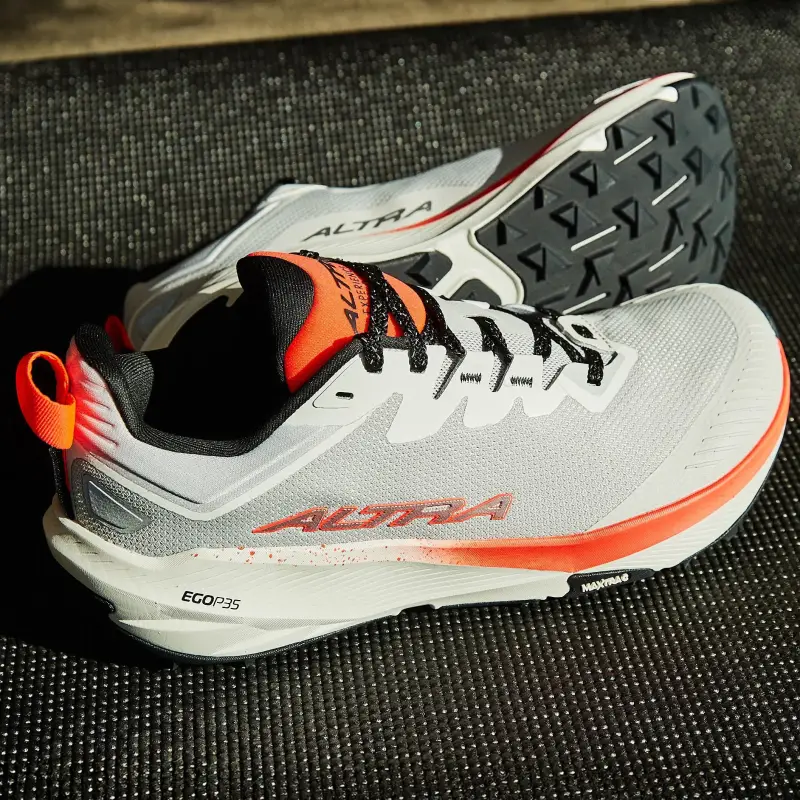
Altra Experience Wild 3: best for trail running
The Experience Wild 3 aims to feel more like a road shoe than a stiff, highly specialized trail model. Its roomy midfoot and toe area, padded collar and tongue, and flexible build were positives for testers. Altra Ego P35 foam gives it a balance of support and ground feel, while the 4 mm drop offers a lower profile without going all the way to zero drop.

The MaxTrac outsole’s 3.5 mm lugs handled slush, mud and icy snow for testers, though the outsole is less grippy than Vibram Megagrip. The laces also tended to bunch up. Gaiter attachments and a protective toe sweep add coverage. A version called Experience Wild 3+ is available with a Vibram Megagrip outsole for $165; the standard model is listed at $150.
Fit and support: what to keep in mind
Foot shape varies considerably, including among women. Some runners find a wider forefoot and narrower heel more comfortable; others may prefer a different shape or a men’s model. A secure heel and enough space for the toes are practical fit points to assess when trying on a shoe. Women-specific designs are intended to account for differences in proportions and biomechanics, but they don’t guarantee an individual fit.
Some shoes add stability features such as guide rails or medial posts. These can offer a more guided feel for runners who want support, but the right choice depends on comfort and how the shoe feels during movement. If running causes persistent pain or discomfort, a clinician can help assess the issue and discuss whether footwear may be one factor.
The models here represent a range of cushioning, support and terrain. Runners seeking an especially plush ride may want to compare other cushioned trainers; those who prefer more guidance can look at stability models, while trail specialists may want shoes built for the terrain they run most often.
Common questions
How do women’s and men’s shoe sizes compare?
The sizing guidance provided for this list is to subtract 1.5 from a women’s size to estimate the equivalent men’s size. For example, a women’s size 10 corresponds to a men’s size 8.5. Sizing can vary between brands and models, so checking the maker’s size chart and trying a pair on can help.
How long do running shoes last?
Wear depends on the runner and the shoe. The source’s general mileage ranges are 350 to 500 miles for everyday trainers, 250 to 300 miles for lightweight shoes, and 100 to 250 miles for racing or minimalist models. These are estimates; worn cushioning or outsole and changes in comfort can also help indicate when a pair is nearing the end of its useful life. If mileage isn’t tracked, the source suggests replacing everyday shoes twice a year and racing shoes after two or three races.
Can running shoes go in the washing machine?
The care guidance provided is to use a cold machine wash with detergent, then remove the insoles and air-dry the shoes. Avoid using a dryer, since heat can damage the glue. Newspaper inside the shoes can help absorb moisture as they dry.
The most useful starting point is the type of running you do most and the fit that feels comfortable on your feet. A shoe’s category can narrow the choices, but the feel underfoot—and whether the fit stays comfortable over a run—should guide the final comparison.


