- Subject
- Nutrition
- Filed
- Source
- Joseph Jones
- Loans
- 327
A Structured Marathon Plan Helped One Runner Break Four Hours in New York
After three marathons with little structure, a 16-week plan helped this runner finish New York in 3:57:39, despite missed workouts and a changed routine.
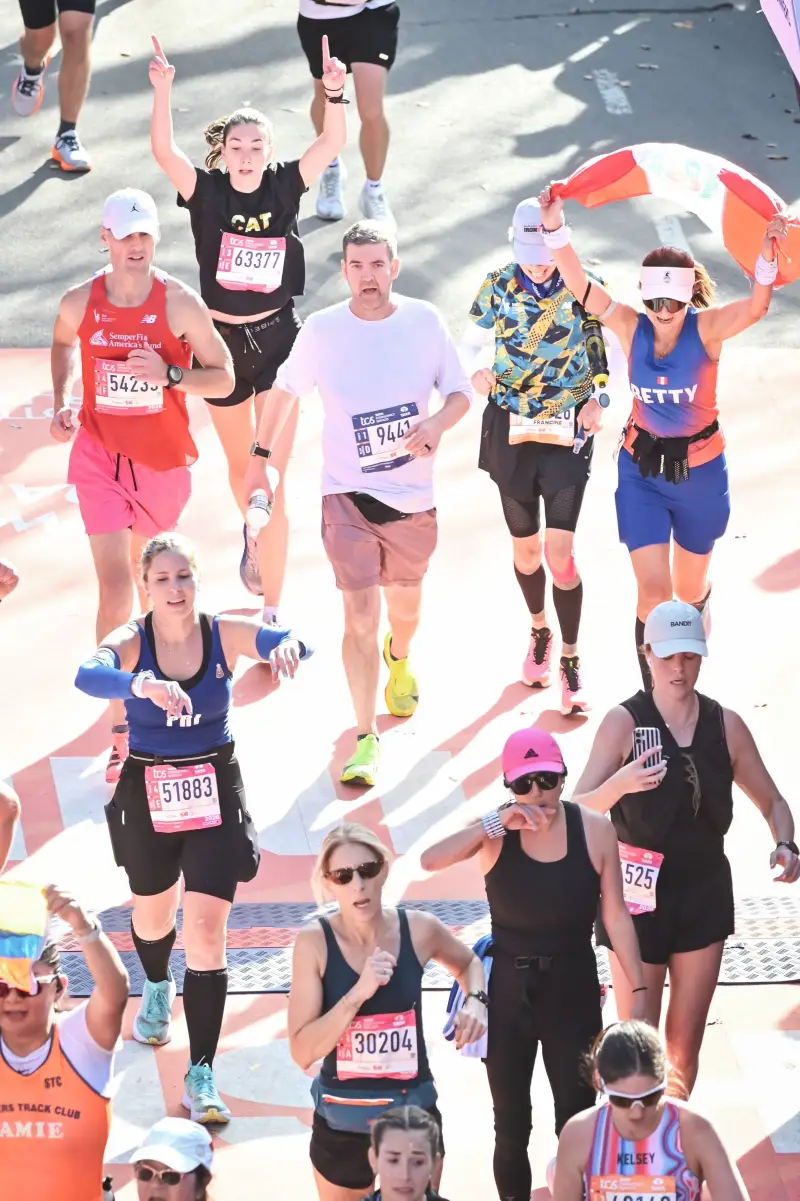
A structured training plan helped one New York City Marathon runner break four hours, even though the training didn’t go exactly as written. After three marathons prepared for without a formal schedule, the runner began a 16-week plan aiming for a finish near 3 hours and 45 minutes. The final time was 3:57:39: short of that goal, but faster than four hours.
The experience offers a practical lesson about plans: their value can extend beyond perfect adherence. A schedule introduced unfamiliar workouts and helped make progress more visible. When heat, travel and waning motivation got in the way, the runner adjusted, relied on friends and kept prioritizing long runs.
Three marathons, little structure
Running began during the COVID-19 pandemic, after the runner had played soccer growing up. A first entry in the New York City Marathon drawing unexpectedly resulted in a place, despite no previous race experience.
That first training period coincided with senior year of college. The runner wanted to prepare while still making time for social activities, club soccer and other parts of college life. The approach was to build mileage toward a 20-mile run about four weeks before race day, gathering other training ideas from online searches and social media.
After finishing New York in 2022, the runner went on to run the Paris and Chicago Marathons in 2024. Between New York and Paris, runs never exceeded 10 miles at a time. For Chicago, the runner again relied on a long run roughly a month before the race, shorter runs and one medium-length run each week. The times improved, and Chicago brought a first finish under four hours.
That result changed what the runner wanted from training. Without a stated time goal, there was less risk of feeling disappointed by a result. Breaking four hours made it appealing to try a more deliberate approach and see what might be possible with a clear target.
A new plan and unfamiliar workouts
For the next New York race, training began with a printed 16-week plan aimed at breaking 3:45. The runner, now living in New York City, wanted the race to feel meaningful and hoped to improve on the Chicago time.
The schedule introduced interval sessions and hill workouts, neither of which had been part of the runner’s earlier training. A Garmin Forerunner 55 was brought back into use, with intervals programmed for runs along the West Side Highway. Hill training meant returning to the Queensboro Bridge, which had felt intimidating during the 2022 race build-up.
As training progressed, the runner began to recognize how different paces felt without constantly checking the watch. Runs over New York’s bridges also became more manageable. The schedule wasn’t followed exactly, but the weekly workouts were rearranged to fit the runner’s life.
That flexibility worked for a while. Then the conditions changed. Near the end of August, around week eight, frequent heat and weekend travel made training harder to sustain. The runner kept doing long runs but stopped the interval sessions. That was frustrating because those workouts had provided a clear sense of growing stronger.
Keeping running enjoyable
To regain some enthusiasm, the runner started asking friends to join in. Central Park became a regular weekly route, and Friday morning runs in Brooklyn offered a recurring chance to meet up. Exploring unfamiliar parts of the city helped make training feel less like a list of sessions to complete and more like a way to enjoy running.
The runner also returned to a familiar priority: completing the long runs. Past experience had made those efforts feel central to confidence on race day. Being able to run 20 miles, along with having already completed marathons, felt mentally reassuring enough that the runner leaned back toward a simpler approach focused on the longer sessions.
Preparation also involved practical questions beyond the schedule. The runner had previously felt unsure about what to eat before a run and how to use gels during a race. Reading about fueling with gels in training and racing, along with other running stories, helped the runner feel more connected to the running community and better informed about race preparation.
A result that left room for pride
The official finish time in New York was 3:57:39. The runner didn’t reach the 3:45 target, but did finish under four hours, and credits the plan with helping make that possible. The experience also showed that a training schedule can provide useful structure while still needing to fit around real-life demands.
The runner’s earlier New York experience came during a period when the future seemed mapped out: a move to the city after college, a first full-time job and a particular picture of adult life. Plans changed, including a move to another city before eventually returning to New York. Looking back, the runner sees a similar pattern in marathon training: a plan can help point toward a goal, even when the route and result turn out differently.
For runners considering a structured plan, this account is a personal experience rather than evidence that one schedule suits everyone. Its practical takeaway is that planned workouts, flexibility and social support can all have a place in training. The most useful plan may be one a runner can adapt while keeping the parts that build confidence and make the process sustainable.


