- Subject
- Nutrition
- Filed
- Source
- Joseph Johnson
- Loans
- 324
Fashion Labels Bring Technical Running Shoes Into Everyday Style
Designer collaborations are reshaping running shoe style, but their looks don’t establish how well they fit or perform on a run.

Running shoes have become harder to identify by where someone is headed. A carbon-plated racer might be on its way to a workout, or across town for errands. The latest designer collaborations build on that blur: instead of borrowing the shape of old athletic shoes, fashion labels are reworking models made for running. The appeal is clear, but a striking design doesn’t tell you whether a shoe suits your feet or your training.

That distinction matters as performance footwear moves into daily wardrobes. These collaborations put technical models in front of people who might value their appearance as much as their running features. Some keep the look restrained; others make the shoe itself the statement. Either way, the familiar categories are less obvious at a glance.
Technical shoes, redesigned
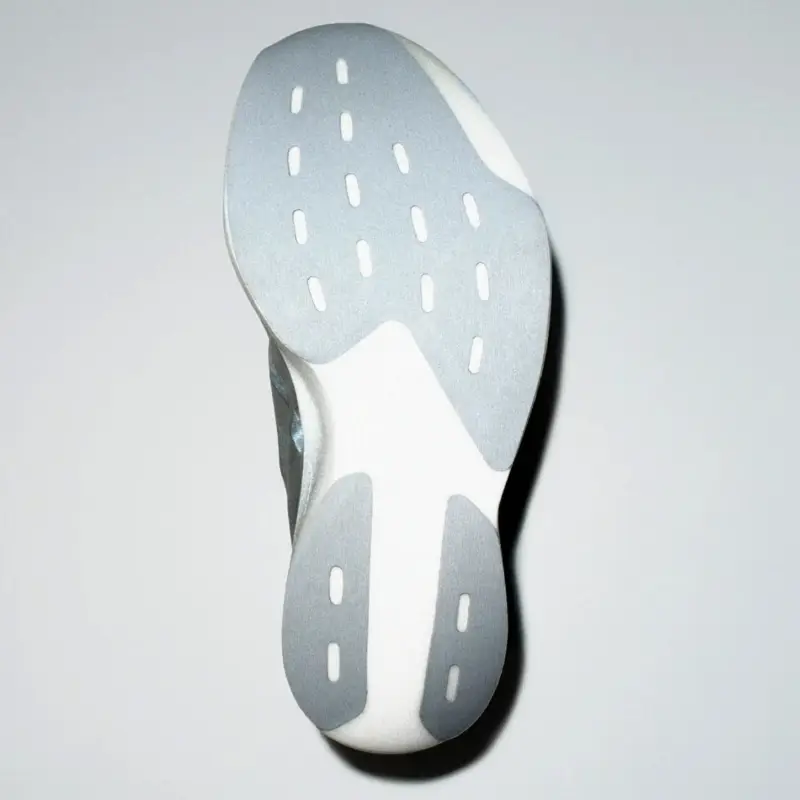
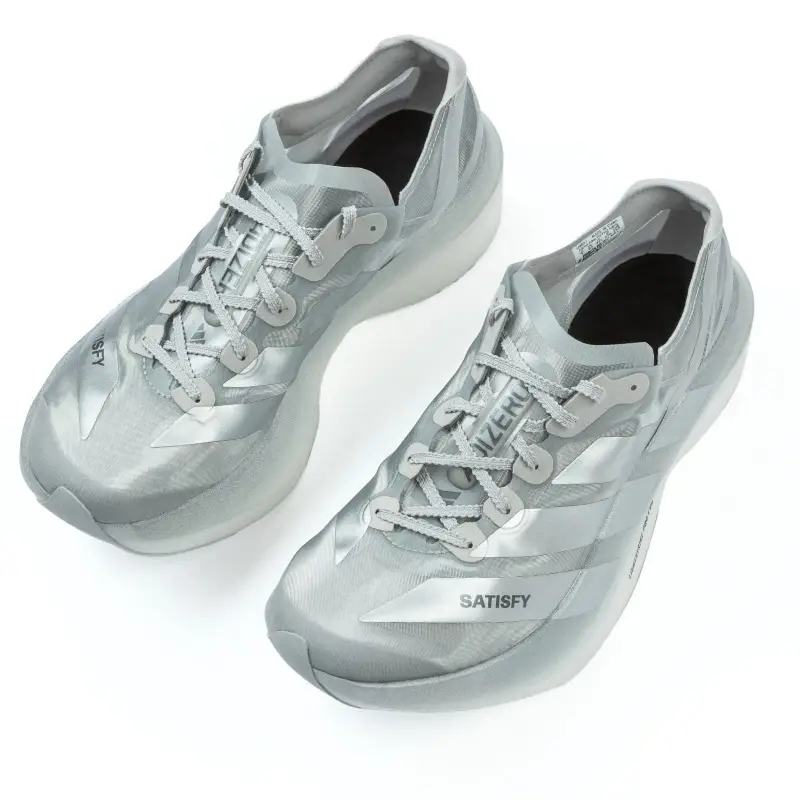
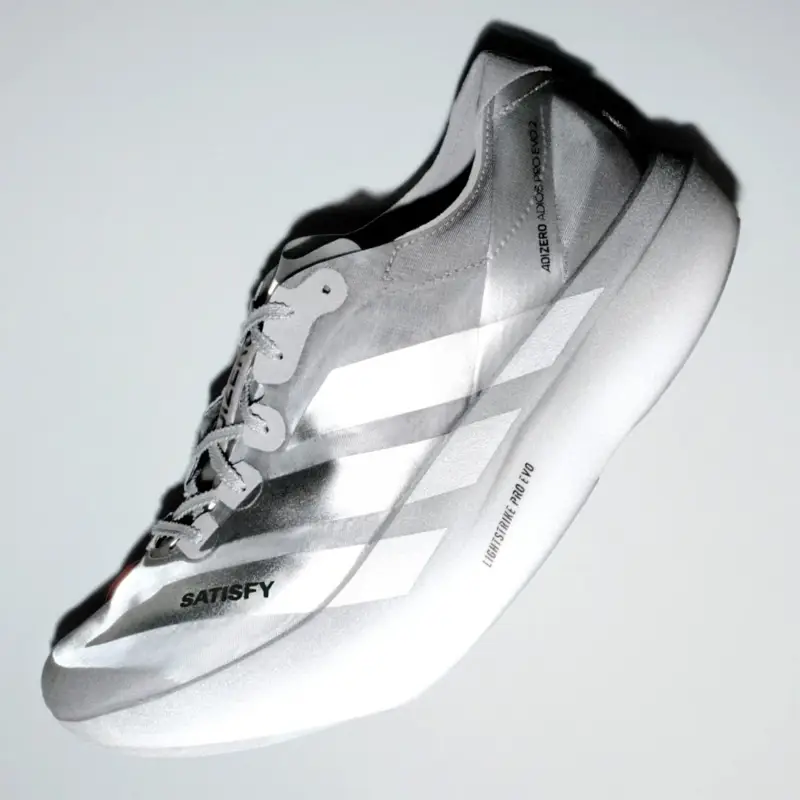
Adidas and Parisian running label Satisfy brought a new look to the Adizero Adios Pro 4 earlier this year. Earthy colors, spray-painted details and metallic accents shift the shoe away from a conventional racing aesthetic. Beneath those changes, the model retains its Lightstrike Pro foam and EnergyRods, features associated with its role as a racing shoe. Its appearance may suit an outfit beyond a run, while its underlying design remains aimed at running.
The partnership also produced the Adizero Adios Pro EVO 2. Its images show the collaboration’s attention to surface and material, but photographs can’t establish how a shoe feels in use. For runners considering a technical model, comfort and fit still need to be assessed on the foot, not inferred from a colorway.
Adidas x Satisfy Adizero Adios Pro EVO 2
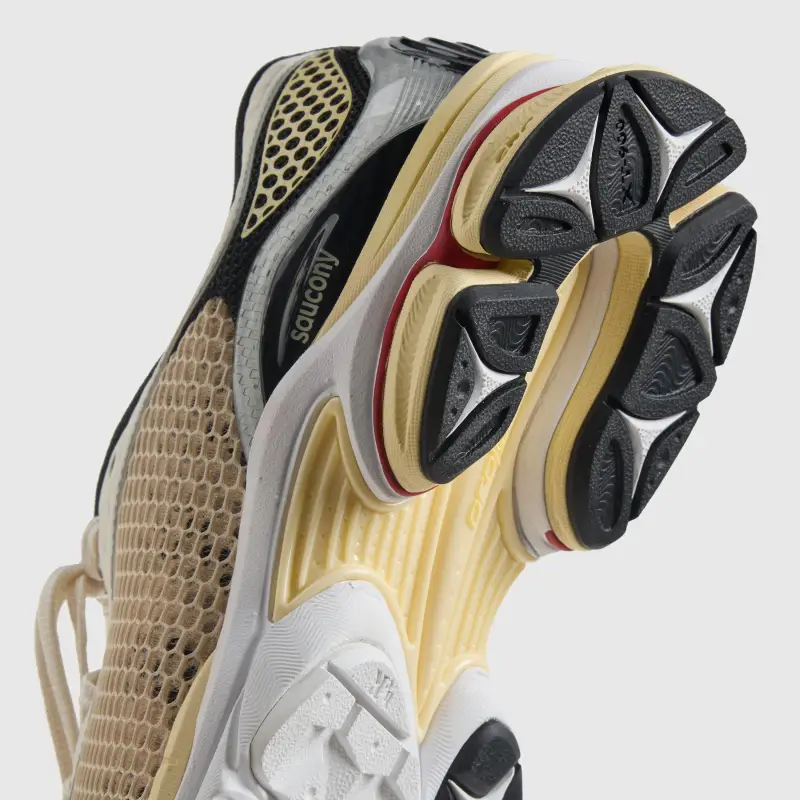
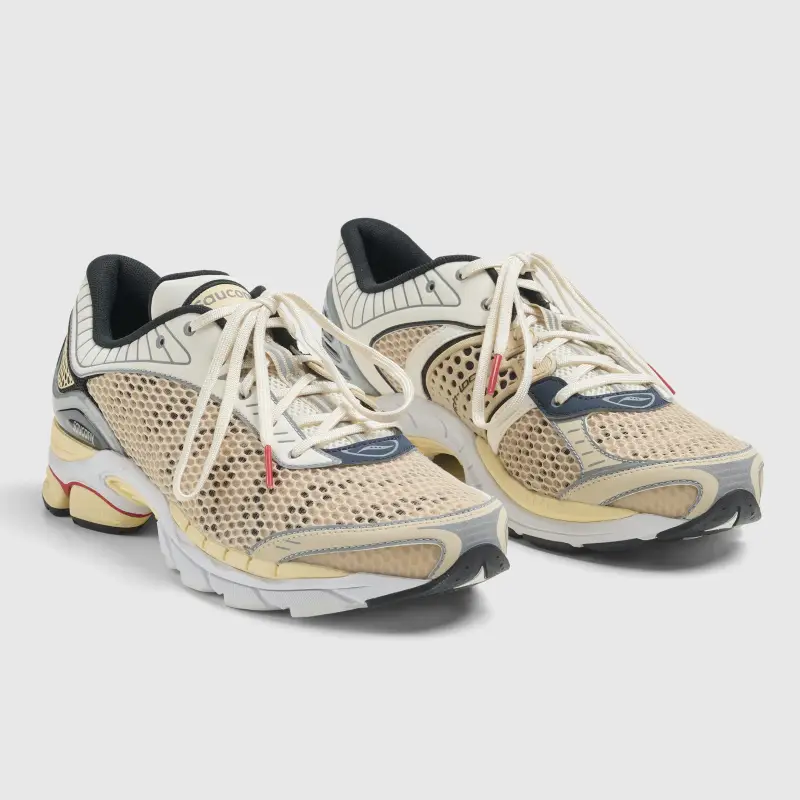
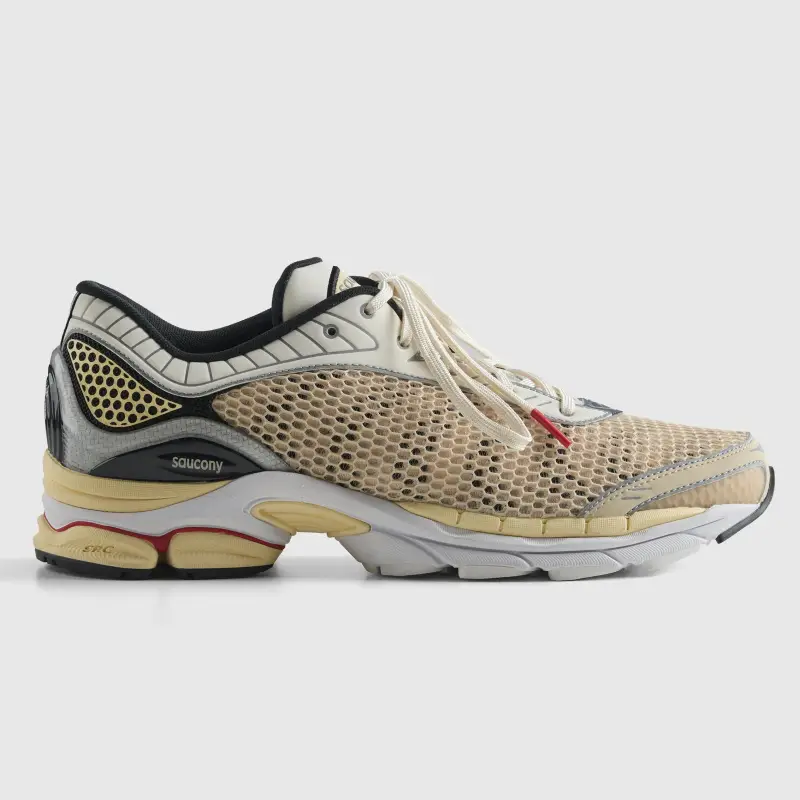
Highsnobiety’s Saucony collaboration makes the contrast between running and streetwear especially plain. It includes the Endorphin Pro 5, designed for racing, and the ProGrid Paramount, a retro-inspired model positioned for city wear. Their shared styling connects the two, but their intended uses differ. That’s a useful reminder that a shoe’s appearance alone won’t tell you what it’s built to do.
Saucony x Highsnobiety ProGrid Paramount
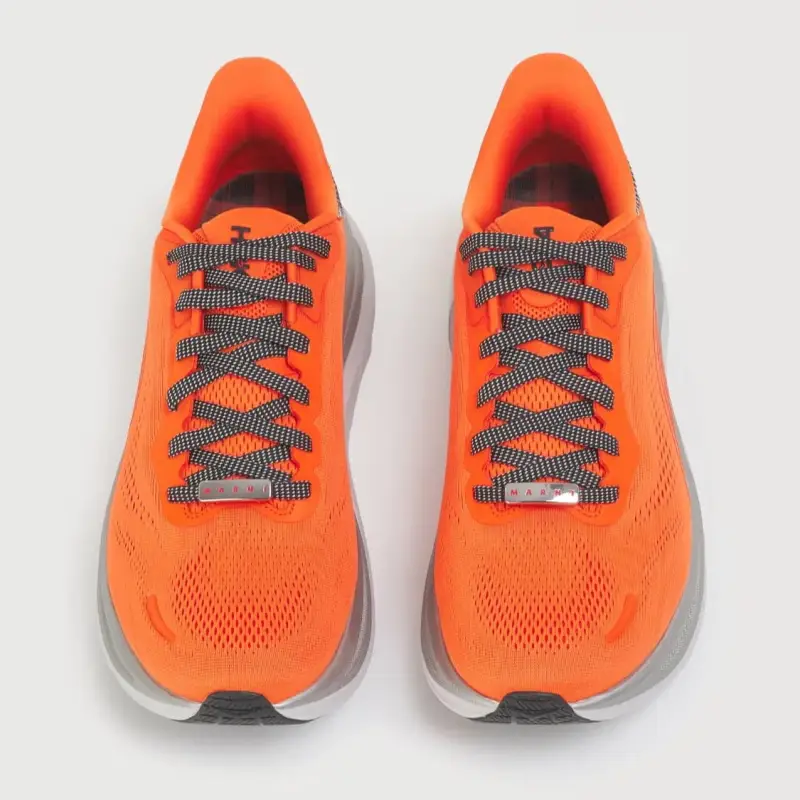
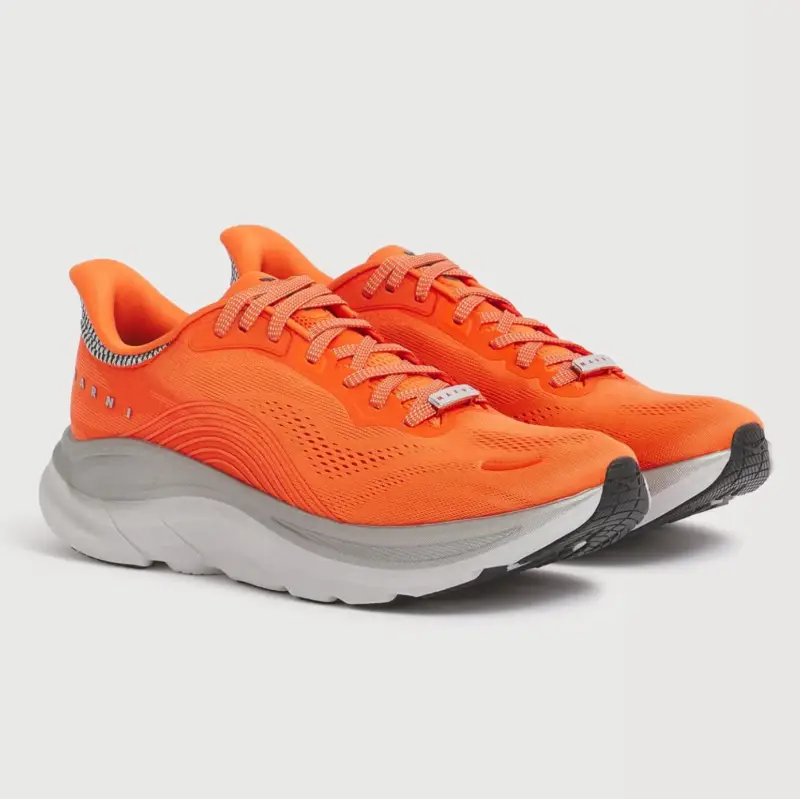
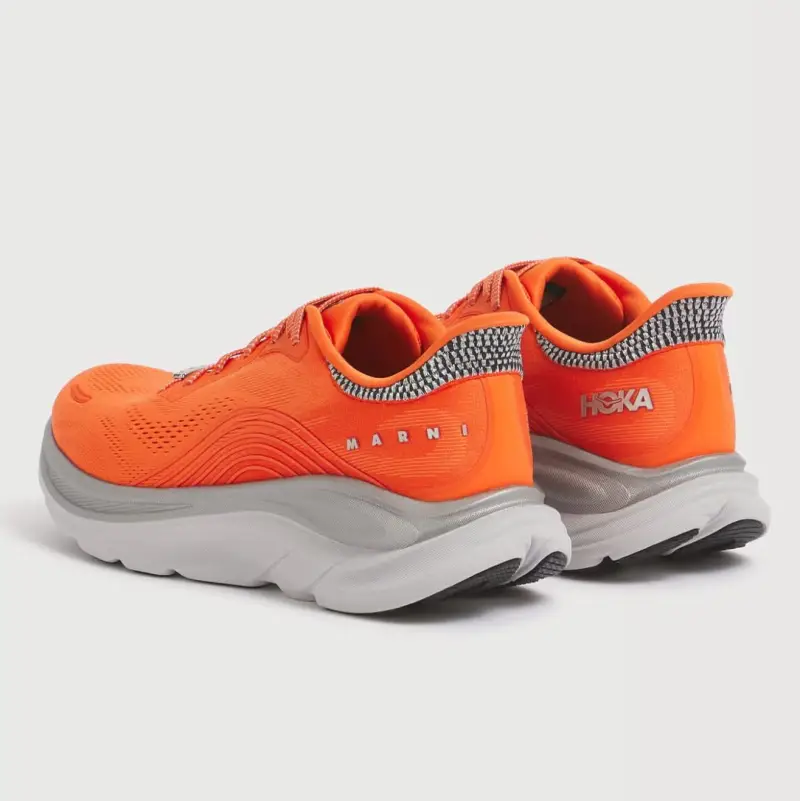
Hoka and Marni took a different route with the Clifton Marni. After a highly exaggerated version of the Bondi in 2025, the brands returned in November with a more wearable interpretation of the Clifton 11. Metallic and reflective details, plus a plaid sockliner, change the shoe’s look while its base remains a cushioned daily trainer. The design keeps a recognizable connection to an established running model rather than turning the shoe into a purely decorative object.
Marni x Hoka Clifton
A wider style shift
The crossover extends beyond those partnerships. Salomon and Pas Normal Studios reworked the Aero Blaze 4 GRVL, a gravel running shoe, while keeping its GORE-TEX protection and trail-ready outsole. Aimé Leon Dore applied its New York style to New Balance’s FuelCell Rebel v5 and SC Elite v5. Nike worked with designer Melitta Baumeister on the Vomero Premium and Pegasus Premium. Loewe and On are also exploring fashion-led versions of technical running footwear.
Together, these examples suggest that sportswear and everyday style are sharing more of the same design language. Running clothes have become more considered in appearance, and shoes are following. The collaborations also give brands room to present familiar technologies through new colors, materials and details. That may make a performance shoe more appealing to wear beyond training, though it doesn’t establish that the shoe will work well for every runner.
What the design can’t tell you
There’s an obvious tension here: running can be done with relatively little equipment, yet limited-edition shoes can become expensive style purchases. Price and designer involvement don’t guarantee better comfort or performance. For anyone considering a pair for running, the practical questions remain familiar: does it fit comfortably, provide cushioning that feels suitable, and match the kind of running planned? A shoe designed for racing may serve a different purpose from one intended for casual wear.
That doesn’t make the fashion element meaningless. People may enjoy wearing shoes that reflect their taste, and visual design can be part of what makes running gear feel personal. The useful distinction is between style appeal and the features that matter when running. These partnerships bring the two closer together, but trying a shoe in the context where it’ll be used remains the clearest way to judge whether the match works.
The next wave of collaborations will be worth watching for how much of the original shoe’s purpose they retain. For now, the trend is best read as a change in how technical footwear looks and travels through daily life. A fashionable finish can catch the eye; fit, comfort and intended use still make the more meaningful decision points.


