- Subject
- Nutrition
- Filed
- Source
- James Johnson
- Loans
- 503
Carbon Plate Running Shoes: What the Testing Shows About 12 Race-Day Picks
Testing highlights 12 plated shoes for road, track and trail racing, plus trade-offs in fit, stability, durability and cost.
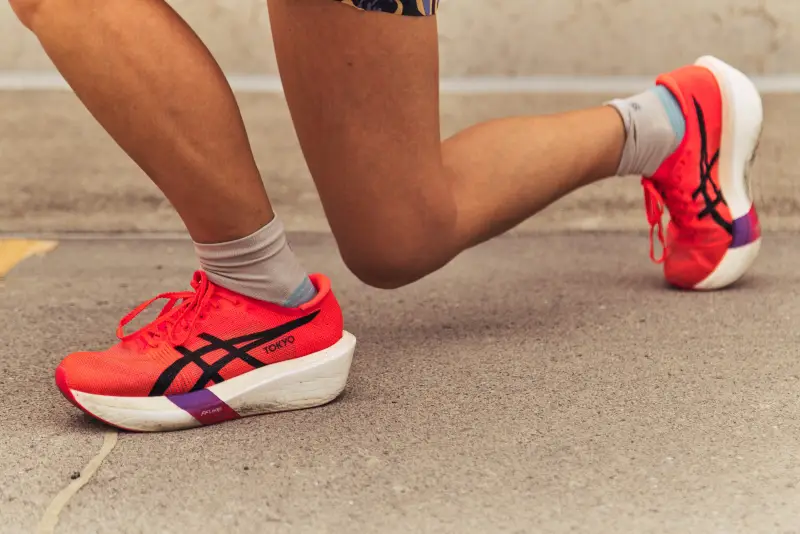
Carbon plate shoes can feel fast, but the plate alone doesn’t create speed. Their ride comes from a combination of plate shape, responsive foam, shoe geometry and how those features match a runner’s stride. Testing across road, track and trail events suggests that the best choice depends on distance, terrain, fit and tolerance for a firm or highly springy ride.
The 12 models below suit different uses, from a first marathon to an ultra. They were assessed by runners with varied experience, pace, arch height and gait, alongside staff members who have raced from 5K through marathon distances and, for some testers, on trails. These are wear tests and race experiences, not clinical trials: they can describe how shoes feel and perform for these runners, but can’t establish that a particular model will make every runner faster or more efficient.
Road and track shoes for different race goals
Adidas Adizero Adios Pro 5 — first marathon. The Pro 5 replaces the earlier model’s energy rods with a carbon rim. On a Central Park circuit, the reviewer found the shoe light and springy, with a firm Lightstrike Pro foam that felt stable and returned energy at toe-off. The rim’s shape may irritate the ankle if a runner’s form becomes tired or sloppy. Another tester completed his first marathon in the shoe without shoe-related problems. The reviewer had not raced in it, so the account reflects a training run rather than a marathon result.
Nike Alphafly 4 — personal-best attempt. Nike has softened and lightened the shoe’s Air units, which compress visibly under pressure and contribute to a smooth, lively forefoot. The fit is slightly wider than before, and a tester reported being able to take corners without slowing. The chief complaint was a loud clomping sound. As with other highly responsive racers, the energetic feel may appeal to some runners more than others, and these observations don’t establish a predictable time benefit.
New Balance SC Rebel — plated training and a steadier alternative. New Balance designed the Rebel to make faster training feel easier, using its TPEE-based Infinion foam, also found in the SuperComp Elite v6. Its broader base and grippy outsole helped the reviewer stay upright on wet, muddy ground during a long run. That wider platform may make it an option for runners seeking more stability than an aggressive race shoe offers. The source describes it as a possible training shoe or racing alternative; it doesn’t establish that every runner should train in plated footwear.
Saucony Endorphin Elite 3 — flat, fast courses. The Elite 3 pairs bouncy IncrediRun foam with a structure connecting the heel and forefoot, making it more stable than its predecessor. In 5K and 3K tests on pothole-marked pavement and slippery gravel, the reviewer found it quick through turns but still felt the need to be cautious on the uneven surface. On smoother roads, a confident runner may be able to make better use of its strong energy return. The improved toe fit caused no hot spots during testing, and the reviewer felt ready to try it over longer distances.
Asics Metaspeed Edge Tokyo — cadence-focused racing and the half marathon. Asics positions its Metaspeed models for different running styles. The Edge Tokyo’s plate curves down toward the forefoot to support runners who take shorter, quicker steps; the Metaspeed Sky is designed for runners who cover more ground with longer strides. The reviewer chose the Edge Tokyo for a marathon and finished in 3:05, under a goal of 3:10. A softer underfoot feel made the shoe more flexible, with a noticeable snap at toe-off and a quick response when accelerating. After the race, the reviewer reported soreness in the heels and arches, a useful reminder that a lively ride may come with a recovery cost for some runners.
Altra Vanish Carbon 3 — a low-drop option with a roomy toe box. Earlier versions used a zero-drop design, but the third model adds a 4 mm heel-to-toe drop and an aggressive rocker intended to encourage forward roll. It retains Altra’s roomy toe box, which leaves space for the toes to spread during push-off. Its FastRce midsole is made from PEBA foam. The brand reports a 2.6 percent improvement in running economy compared with the previous version, which used a PEBA and EVA blend. That figure is a manufacturer claim; it doesn’t show that each runner will gain the same benefit. The design keeps the brand’s broad forefoot while adopting geometry more common among race shoes.
Saucony Endorphin Pro 5 — support through longer efforts. This model offers a more controlled ride than the bouncier Endorphin Elite. Its midsole combines two PEBA foams, Pwrrun PB and Pwrrun HG, with Saucony’s Speedroll rocker to support smooth turnover. Testers liked the blend of propulsion and stability, particularly during longer tempo sessions as fatigue set in. One runner said the Pro 5 felt predictable when form was less precise late in a run, without demanding that the runner maintain a perfect stride. That’s a subjective report, but it points to a practical distinction: a shoe can feel fast while still being manageable as a runner tires.
Hoka Cielo X1 3.0 — a broader fit for road racing. Hoka’s lightest marathon racer to date has a redesigned midsole with a long channel down the center, a less pronounced rocker and a lighter upper. Testers described a smoother, steadier ride, with propulsion they considered comparable to competing models. The midfoot is broader, which may suit runners who find many race shoes too narrow. One tester also reported improved stability on heel strikes compared with the previous version. A Hoka-sponsored runner wore a prototype at the 2025 Chicago Marathon, placing third in 2:04:37 and cutting nearly four minutes from his personal best. That individual result doesn’t predict what other runners will achieve in the shoe.
Puma Fast-R Nitro Elite 3 — high energy for shorter races or the marathon. Testers described a very light shoe with explosive rebound, likening the sensation to running on a trampoline. That intensity can make fast running feel smooth, but some testers found the shoe difficult to manage over longer efforts. One reported soreness in the calves and feet and felt as though they had to grip the shoe to stay stable. The reviewer ran a 5,000-meter race in 19:12, a personal best, but thought the shoe might extend their usual recovery after a marathon.
Puma sponsored a comparison study that reported the Elite 3 was 3.15 to 3.62 percent more economical than the Nike Alphafly 3, Adidas Adios Pro Evo 1 and Puma Fast-R 2. Because the brand funded that study, its result should be treated as a claim from a product comparison, not a guarantee for an individual runner. The wear tests support a narrower conclusion: this is a powerful, lively racer, and its high bounce and stability demands may make it better suited to some runners and distances than others.
New Balance SuperComp Elite v6 — 5K and 10K racing. The Elite v6 uses a race-tuned version of New Balance’s TPEE- and TPU-based Infinion foam. In a track workout of two two-mile repeats at a 6:45 pace, the reviewer found it handled turns and supported target pace. Its ride felt firmer and less aggressive than the Endorphin Elite 3 or Alphafly, with less explosive rebound. That may appeal to runners who prefer a less dramatic sensation; the reviewer favored it for 5K and 10K races, while noting that efficient runners with sound form might use it for longer events too.
Plated shoes for trail racing and ultras
Hoka Tecton X 4 — technical trails. Trail testing covered steep climbs, ridgelines and technical terrain. The durable Matryx upper and 4 mm lugs drew praise for protection and grip, while the ProFly X cushioning and non-winged plate produced a more energized ride with less rigidity than the previous version. The built-in gaiter collar offered extra coverage but was difficult to put on; the tester also criticized the lack of a rear pull tab. The shoe’s combination of grip, cushioning and stability may suit unpredictable trails, though the tester advised wearing socks.
On Cloudultra Pro — long-distance trail events. A tester used three pairs over time, describing the upper as roomy enough to accommodate foot swelling while remaining secure. The shoe also earned praise for lateral stability on rough, uneven ground, where a secure platform matters. Another ultrarunner wore it during the 102-mile ZUT1000 around Germany’s Zugspitze, covering a range of surfaces. These accounts suggest the shoe can handle long trail efforts for the testers involved, but they don’t provide a controlled comparison with other ultra shoes.
How plates and foam shape the ride
A plate is only one part of a super shoe. The responsive foam and the amount of it underfoot contribute much of the cushioning and rebound; the plate helps control how that foam bends and rolls through a stride. That’s one reason these shoes can have tall midsoles. World Athletics sets a 40 mm maximum stack height for racing shoes, a limit referenced in the source’s discussion of how much foam can sit underfoot.
Plates differ in length, shape and stiffness. Some run the full length of the shoe; others have cutouts or are shaped to suit particular foot motion. The Asics Metaspeed Edge’s plate dips toward the forefoot to help cadence-focused runners roll off the toes, while the Sky’s flatter forefoot plate is intended for stride-focused runners seeking bounce with longer steps. Those design descriptions can guide a fitting, but they don’t replace trying the shoe at the pace and on the surface where it will be used.
Foams have changed too. PEBA remains common, while newer shoes also use materials such as TPEE and A-TPU. The source describes these newer materials as more resistant to bottoming out, when cushioning loses its spring. In practice, foam blends can produce a firmer or softer ride, and a highly bouncy feel isn’t automatically comfortable. A short run that includes turns can help reveal whether the shoe feels stable and whether the foam suits the runner.
Carbon plates are generally stiffer than nylon plates. Saucony product executive Ted Fitzpatrick compared the plate to a stick holding soft ice cream together: both types help maintain the foam’s shape, but they offer different levels of flexibility. Carbon provides a stiffer, more concentrated rolling sensation; nylon offers more flex through the stride. Saucony’s nylon-plated Endorphin Speed 6 is positioned as a training partner for the Endorphin Pro and costs $180, compared with $240 for the Pro 5 and $290 for the Elite 3 in the source’s pricing. Fitzpatrick’s view is that foam does much of the work, while the plate guides how the foam behaves. Different runners may prefer different degrees of stiffness.
Fit, cost and training considerations
Fit can vary between models and even between men’s, women’s and unisex sizing. Some unisex shoes may feel loose around the collar and tight through the midfoot, according to the reviewer’s experience. Trying on more than one size can help clarify the fit; a heel-lock lacing pattern may help if the heel feels loose. The toe box, midfoot width and heel hold all matter, particularly when the foot swells during a long race.
These shoes are expensive, with prices in the source ranging from $240 to more than $500 for some carbon-plate models. They may also wear out sooner than everyday trainers, which commonly last around 450 to 500 miles, because high-performance foams can lose their spring more quickly. A shoe’s cost is easier to weigh when its intended use is clear: frequent training in a race shoe can mean replacing it sooner, while reserving it for selected workouts or races may stretch its useful life.
The performance promise needs similar care. The original Vaporfly 4% helped popularize the idea that a racing shoe could improve running economy by four percent. Brands continue to make performance claims, but an advertised improvement isn’t a personal forecast. Comfort, fit, pace, running style and course conditions all affect how a shoe feels and performs.
There’s also no single rule that plated shoes belong only on race day or should be worn for every run. The reviewers advise against relying on them exclusively, partly because they cost more and can have a shorter useful life than daily trainers. A few runs before a race can help identify rubbing or an unfamiliar ride. Running in them constantly doesn’t necessarily cause injury, but chasing faster paces and increasing use too quickly may leave a runner needing time away from training.
For anyone choosing among these models, the most useful questions are practical: Is the shoe intended for road, track or trail? Does its fit stay secure? Does its plate and foam feel manageable at race pace, including around corners? A runner with a recent injury, ongoing foot pain or questions about whether a particular shoe suits their gait can discuss those concerns with a clinician or a knowledgeable running specialist. The strongest pick is the one that fits the event and feels controlled over the distance, not simply the shoe with the most dramatic bounce.


