- Subject
- Fitness & Workout
- Filed
- Source
- Joseph Davis
- Loans
- 769
Stability Running Shoes: 7 Picks and How to Choose the Right Fit
Today’s stability shoes offer varied levels of support, cushioning and pace. Here are seven picks, plus practical fit and gait guidance.

Stability running shoes have changed: many current models guide the foot with flexible structures and foam geometry instead of the rigid pieces that defined older designs. That makes them a practical option for some runners who want a steadier feel, whether on easy miles, long runs or trails. But a shoe’s label alone can’t tell you whether it will feel comfortable or suit your stride.

The models below cover different needs, from an everyday trainer to a race shoe and a trail option. The product assessments draw on wear testing and shoe reviews described by the editors; they are not clinical comparisons or evidence that a particular design prevents injury. Comfort, fit and the way a shoe feels during a run remain central to choosing one.

What stability shoes are designed to do
Your foot naturally rolls inward after landing, a movement called pronation that helps absorb and spread impact. Stability shoes are built to guide excess inward motion for runners who find that support comfortable. Depending on the model, they may use rails along the midsole, firmer foam, a shaped frame, a wider base or raised sides that hold the foot more securely.

That guidance should not be mistaken for a correction that changes someone’s gait. Feet and running form vary, and a shoe that feels supportive to one runner may feel intrusive to another. A high arch, a low arch or visible inward movement by itself doesn’t establish that a person needs a stability shoe. If you’re unsure what kind of support works for you, a podiatrist, physical therapist or qualified movement specialist can assess your gait and discuss options such as an insert.
The central shift in newer designs is how support feels. Rather than forcing the foot into a set position, many models aim to provide a platform or gentle guidance that comes into play as the runner moves. That can make a stability shoe feel closer to a regular daily trainer, although the ride still varies considerably among models.
Seven shoes for different running needs
These picks were presented for different uses, including everyday training, faster workouts, long runs and off-road running. Weights and dimensions below are the listed specifications; they can vary by size. A shoe’s category is a starting point for comparing options, not a substitute for trying it on and checking how it feels at your pace.
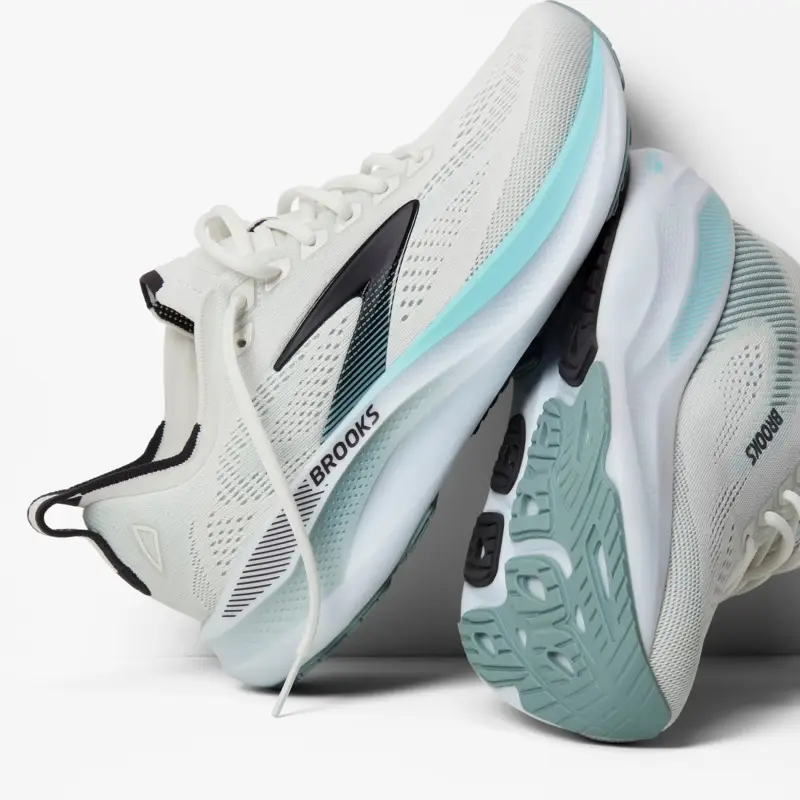
Brooks Adrenaline GTS 25: Best overall
The Adrenaline GTS 25 is a structured daily trainer with a balanced ride. Its DNA Loft v3 foam is carried over from the prior version, while the shoe’s increased foam volume gives it a softer feel, especially at heel strike. The listed heel stack is 37 mm, and the drop is 10 mm. For the 25th version, Brooks added 3 mm at the forefoot and 1 mm at the heel, and reduced the drop from 12 mm to 10 mm.

Guide rails sit along both sides of the shoe and are intended to respond to the runner’s movement rather than hold the foot rigidly in place. A tester who had logged substantial miles in the model described its heel transition as particularly smooth and its overall ride as balanced. She also noted that the rails did not press into the sides of her feet during longer runs, while still providing cushioning and a sense of support.
The engineered mesh upper is breathable, and its stretch-knit heel collar holds the foot without feeling cramped for many testers. There were a couple of fit caveats: some found the collar high at the back, so sock choice may matter, and testers thought the lacing could be improved. At 10.6 ounces for a men’s size 10 and 9.5 ounces for a women’s size 8, it favors structure and protection over a featherlight feel. Its grip was reported to work well on wet pavement and boards.

Brooks Adrenaline GTS 26: The next model
The GTS 26 keeps the basic design familiar: guide rails, DNA Loft v3 foam, a 10 mm drop and a 36 mm heel stack. The changes described are refinements to the upper and fit. An engineered mesh upper is intended to improve breathability; the tongue is flatter, and the heel collar has been reshaped with a larger pull tab.

That pull tab may be useful to runners who value an easier way to get the shoe on, including people with access needs or limb differences. The listed weights are 10.8 ounces for a men’s size 10 and 8.6 ounces for a women’s size 8. The review describes a slight weight increase, while also noting a thicker stack, a more pronounced rocker shape and a cushioned collar as positive features. The color options were a matter of personal preference for the reviewer.

The GTS 26 had recently become available when the review was written, but it had not yet been tested by that team. The recommendation was based on the strong experience with the GTS 25 and the limited design changes reported for the newer version. That distinction matters: the 26’s performance was not established through the same wear testing described for the 25.

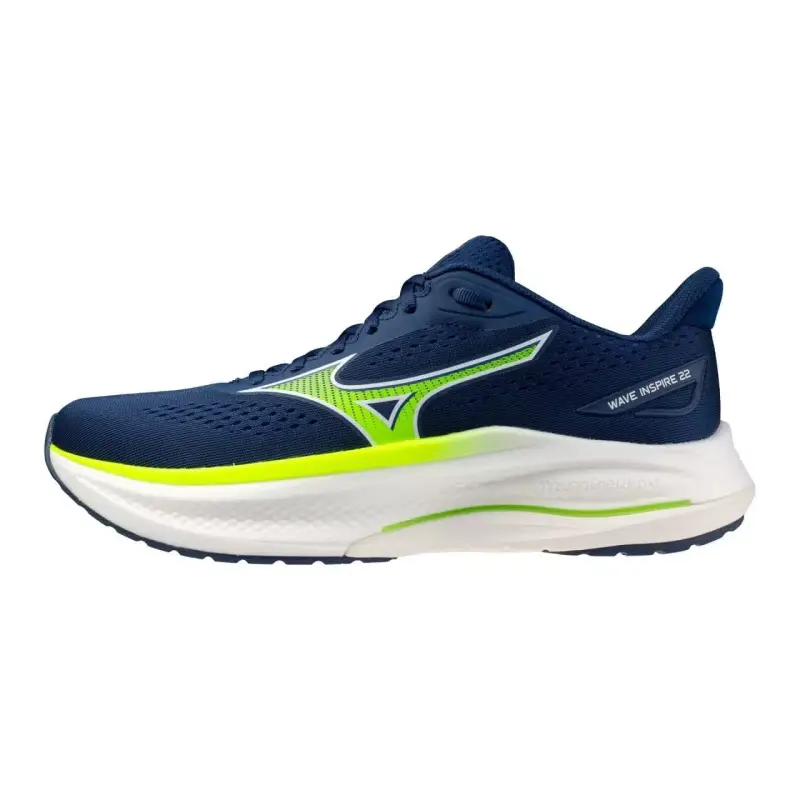
Mizuno Wave Inspire 22: Best value
The Wave Inspire 22 is a durable daily trainer intended for easy runs and routine mileage. It weighs 10.4 ounces in a men’s size 9 and 8.8 ounces in a women’s size 8, with a 10 mm drop and a 39 mm heel stack. A tester said she could log more miles in it than in other running shoes before needing a replacement, and found the model lighter than previous versions.
Mizuno’s Wave plate and Enerzy NXT foam give the shoe a supportive, substantial feel. The guidance is described as gentle rather than forceful. It may suit runners who want a dependable shoe for relaxed training, but it isn’t positioned as the speediest choice. Testers praised its grip and durability, while also noting that the heel collar’s fit was inconsistent for some people.

If the heel slips, the extra eyelet provides an option for heel-lock lacing, which can help secure the fit. Trying that adjustment is more useful than assuming the shoe will fit the same way for everyone.

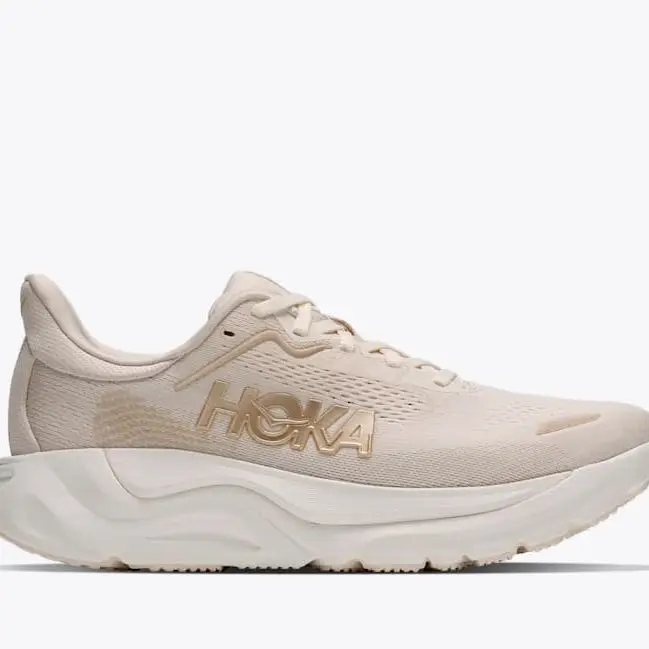
Hoka Arahi 9: Best for hard tempo runs
The Arahi 9 is designed to work as both an everyday trainer and a faster workout shoe. Its listed weight is 10 ounces in a men’s size 10 and 8.2 ounces in a women’s size 7; it has an 8 mm drop and a 39 mm heel stack. Reviewers describe the cushioning as soft without feeling as bulky as a maximum-cushion model.

Hoka’s H-Frame is a dense, H-shaped piece of midsole foam that provides structure. Although that kind of frame might sound rigid, the reviewer found the ride smooth and said the shoe felt as if it glided. The upper received small changes intended to improve fit and breathability and address pressure points reported in the previous model. The design also looks relatively streamlined for a stability shoe.

Its main trade-off is weight: it may feel heavy to runners seeking a light trainer for speedwork. For someone who wants a cushioned shoe that can move between routine runs and tempo sessions, the Arahi’s combination of support and a smooth ride is the appeal.

Nike Structure Plus: Best supertrainer
The Structure Plus combines ReactX and ZoomX foams with a two-zone rubber outsole. The listed specifications are 10.8 ounces for a men’s size 10 and 8.7 ounces for a women’s size 8, a 10 mm drop and a 42 mm heel stack. The design is aimed at longer runs that may include hills, changes of pace and uneven pavement, with cushioning underfoot and flexibility where the shoe bends.

A reviewer highlighted its comfort on long runs and its stable feel across curves and mixed terrain. It also has a roomy, supportive construction that can accommodate orthotic inserts, according to the review. The collar and lacing were described as sturdy enough to help secure an insert, and the shoe was comfortable for walking as well as running.

There are trade-offs. It is relatively heavy and does not have a particularly springy or responsive ride, so runners who want a lively feel may prefer another model. The fit was also described as slightly short from front to back; trying it on is sensible if you are between sizes or prefer extra toe room.
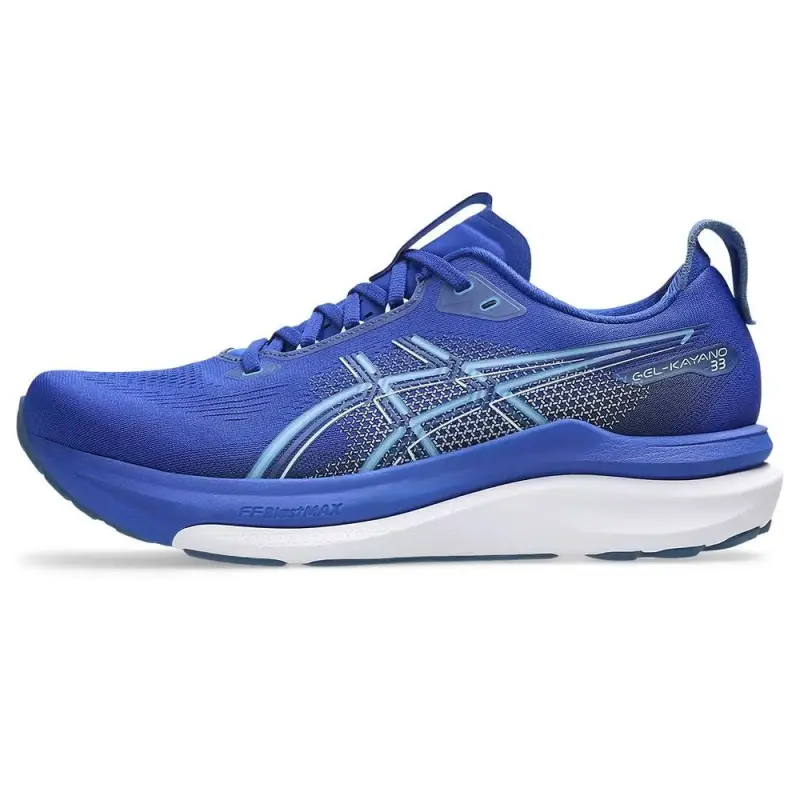
Asics Gel-Kayano 33: Best for long runs
The Gel-Kayano 33 updates the support system from its predecessor with FluidSupport, which is described as more adaptable to the body’s movement. Asics also softened the foam and adjusted the fit. The shoe weighs 10.5 ounces in a men’s size 9 and 9.1 ounces in a women’s size 8, with an 8 mm drop and a 40 mm heel stack.
Its breathable upper, forward-moving shape and grippy outsole remain part of the package. Reviewers singled out the cushioning for long runs, where comfort and a guided feel may matter more than a strong sense of bounce. One tester liked the heel tab, especially when hands were sweaty. The shoe is on the heavier side, and the review suggested that the heel collar could use a little more padding.
The described support is intended to work with the runner’s movement, rather than impose a rigid path. The trade-off is that runners looking for a lightweight or especially energetic ride may not find it here. For long sessions, the appeal is a soft underfoot feel paired with guidance that the reviewer found comfortable.

Saucony Guide 19: Best multiuse trainer
The Guide 19 is designed to cover a broad range of weekly training, with mild guidance and enough responsiveness for some faster workouts. It weighs 9.7 ounces in a men’s size 10 and 8.9 ounces in a women’s size 8; the listed drop is 6 mm and heel stack is 35 mm.
Its PWRRUN foam is described as cushioned but firm enough to avoid a marshmallow-like feel. A medial TPU frame provides guidance without the rigid sensation associated with older support designs. One tester found the shoe comfortable from the first wear, and its snug fit helped it feel secure at quicker paces. The foam was also described as sturdy and soft.

Reviewers considered it suitable for daily runs, longer outings and some tempo work, although it is not meant to replace a dedicated racing shoe. One fit note: the shoe may run slightly long. Checking toe room and heel security in person can help determine whether that length works for your foot.

Other specialist picks in the review
The review also included a road racing shoe and a trail model. These serve more specific purposes than the daily trainers above, and their support comes from the shoe’s overall design and fit rather than necessarily from the same guidance features found in traditional stability models.
Hoka Rocket X 3: Best for racing
The Rocket X 3 pairs a winged carbon plate with a dual-density PEBA midsole, designed to support propulsion and energy return. Its broad base and accommodating fit were highlighted as sources of stability compared with the narrower, more precarious feel some runners experience in racing shoes. A sticky rubber outsole is intended to improve traction in wet or snowy conditions.
A tester who overpronates said the shoe felt stable during intervals and while running curves, with little side-to-side rocking when standing. The laces also stayed secure during running. At 8 ounces in a unisex men’s size 10, it is the lightest shoe described here. The review’s caveat is that it feels less aggressive than some racing models, which may be a reasonable trade for runners who value a steadier platform. The listed drop is 7 mm and heel stack is 40 mm.
Nike ACG Zegama Trail: Best for trails
The Zegama Trail is built for off-road running, with a grippy Vibram outsole and pronounced lugs intended to handle mud and wet rock. Its listed weight is 11.9 ounces for a men’s size 10 and 9.6 ounces for a women’s size 8; the drop is 4 mm and heel stack is 37 mm.
A reviewer who pronates described the shoe as secure around the foot. The revised shape cups the outer edge, while support straps in the upper, a padded tongue and the lacing system hold the midfoot in place. The reviewer characterized the effect as anticipatory: the shoe feels planted without an obvious sensation of steering the foot. The upper was described as breathable without feeling cold, and the cushioning as generous.
One design detail stood out as a drawback: an unusual split in the heel outsole. For trail runners, fit and traction matter alongside support, and the Zegama’s intended use on uneven terrain makes it especially useful to check that the shoe feels secure underfoot.
Fit and feel should guide the choice
Start with comfort. There should be room for the toes to spread, with roughly a thumbnail’s width between the longest toe and the end of the shoe. The midfoot should feel secure without squeezing, and the heel should stay in place. A loose heel can rub and cause blisters. Lacing adjustments may help with small fit issues, but trying a different width can be a better answer if the shoe feels too tight or too loose.
A store run, if available, can reveal fit problems that are easy to miss while standing still. When shopping online, check the retailer’s return or exchange terms before buying. A shoe that feels good on a short test may still feel different after a longer run, so a gradual trial can offer more useful information.
Cushioning and stack height affect how the ground feels beneath you. A higher stack can feel soft and protective, but thick foam may also feel less stable to some runners. A lower stack often brings the foot closer to the ground and can provide more feedback. These are tendencies, not guarantees: the width and shape of the sole, raised sidewalls and the midsole’s design can all affect how stable a shoe feels.
Match the shoe to the runs you plan to do. A lighter shoe with a curved rocker may suit faster sessions, while a more cushioned, durable trainer can be comfortable for everyday mileage and long runs. Trail shoes need outsole grip and a secure fit for uneven surfaces. Some runners use more than one pair across different workouts; the best choice depends on the feel and purpose that matter to you.
Common questions about stability shoes
Who might find one comfortable?
Some runners with excessive inward foot movement, or whose form becomes less steady as they tire, may prefer the guidance of a stability shoe. Some runners with low arches also find extra support comfortable, but foot shape alone doesn’t determine what shoe someone needs. A gait assessment from a podiatrist, physical therapist or movement specialist can help clarify whether a stability model or an orthotic insert is worth considering.
Support should feel comfortable and suitable for your stride. A shoe that feels overly corrective may be a poor fit for you, and choosing a model based on a label alone cannot predict how your body will respond. New runners who are uncertain about their gait can begin by trying a comfortable neutral shoe and comparing how different options feel.
Can stability features help when form changes with fatigue?
Some models are intended to offer guidance late in a run, when a runner who typically uses neutral shoes feels their form becoming less controlled. Brands use different combinations of denser foam, rails and other midsole shapes to support the foot. The way those features feel varies among runners, so a comfortable test run offers more useful information than assumptions based on the shoe’s category.
How should someone transition to a stability shoe?
If you usually run in neutral shoes, trying a new type gradually can help you notice how it feels. Begin with shorter runs before increasing distance or time, and pay attention to discomfort. Aches and muscle fatigue can have several causes, including training load, so they don’t automatically mean the shoe is responsible. If symptoms persist, worsen or seem connected to the shoe, stop using it and talk with a qualified specialist about an assessment.
Will a stability shoe change running form?
A stability shoe is a piece of equipment intended to support a runner’s existing movement; it does not, by itself, change gait. It may improve comfort or make the foot feel more secure, but it is not a cure-all. Gait, strength and flexibility all contribute to how a person runs, and a specialist can help assess concerns that a shoe alone may not address.
The practical takeaway is simple: compare models by the kind of runs you do, then pay close attention to fit and comfort. A gently supportive daily trainer may be a useful choice for one runner, while another may prefer a neutral shoe, a lighter workout model or a trail design. If pain, discomfort or questions about gait are shaping the decision, a clinician can help put shoe choice in context.


