- Subject
- Nutrition
- Filed
- Source
- John Miller
- Loans
- 820
Brooks Running Shoes Reviewed: 10 Picks for Daily Miles, Speed and Trails
A tester-based guide to 10 Brooks running shoes, with key differences in cushioning, fit, support and intended use to help narrow your options.

Ten Brooks shoes, matched to different kinds of running
Brooks’ current lineup spans cushioned daily trainers, speed focused shoes, a race day model and trail footwear. The differences matter: two shoes with soft foam can feel quite different if one is built for a long, relaxed run and the other for quick turnover. Fit varies, too, with some models offering a broad platform and others running narrow through the midfoot.
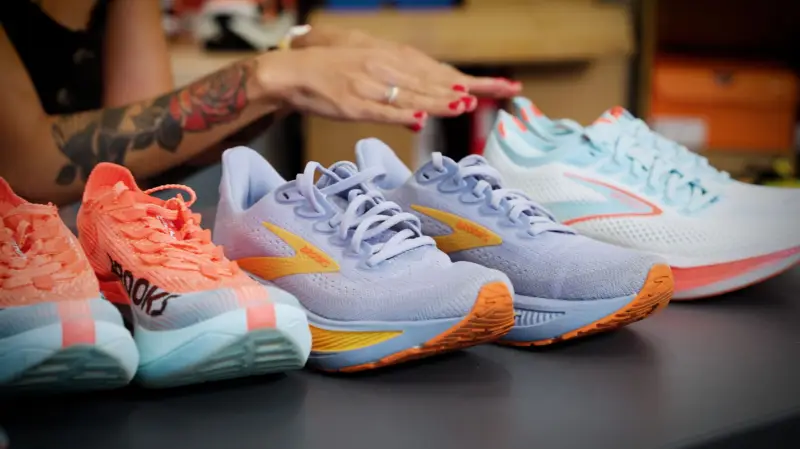
The picks below come from a testing process in which more than 250 local runners evaluate shoes. Testers vary in age, experience, arch height and gait, and log at least 100 miles before reporting on fit, feel and ride. That makes the findings useful for comparing shoes across real running, while still leaving an important caveat: comfort and fit are personal. The weights listed are based on a men’s size 9 and women’s size 7 unless a different size is specified.
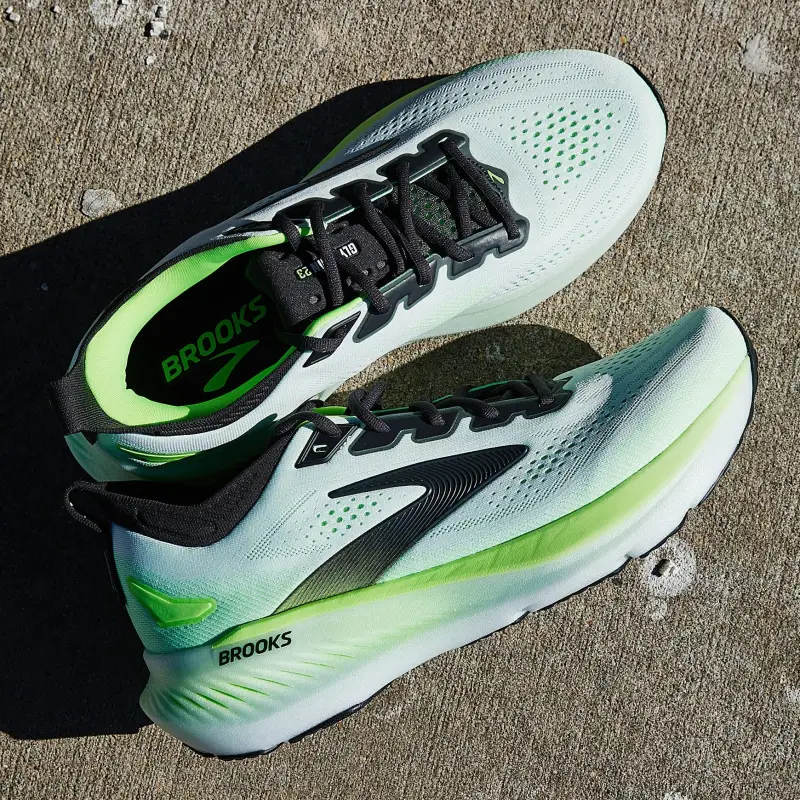
These are performance and comfort assessments, not medical claims. A shoe’s support features may feel helpful to some runners, but the descriptions don’t establish that a particular model prevents injury or treats a health condition. Trying shoes on, ideally with the socks and any inserts you usually wear, can help you judge whether the shape and feel suit you.

Quick guide to the 10 picks
- Best overall: Brooks Glycerin 23. A cushioned road trainer with a broad platform, generous toe room and responsive DNA Tuned foam.
- Best on a budget: Brooks Launch 12. Lightweight and quick feeling, with a narrow midfoot and DNA Flash v2 foam.
- Best for tempo runs: Brooks Ghost Amp. PEBA and EVA DNA Hype foam adds rebound, while a forefoot SpringRamp element supports faster running.
- Best for everyday training: Brooks Ghost 18. A familiar, balanced daily trainer with DNA Loft v3 cushioning and multiple width options.
- Best super trainer: Brooks Hyperion Max 4. A plated, cushioned option for longer workouts, with a broad platform and substantial outsole rubber.
- Best for racing: Brooks Hyperion Elite 6. A lightweight race shoe with a PEBA midsole, carbon plate and geometry designed for quick turnover.
- Best for lightweight cushioning: Brooks Glycerin Flex. A flexible, relatively low stack shoe pairing DNA Tuned cushioning with a midfoot flex zone.
- Best for long runs: Brooks Adrenaline GTS 25. A cushioned trainer with GuideRails support and a stable feel.
- Best for run-walking: Brooks Glycerin Max 2. A stiff, heavily cushioned shoe that testers liked for easy days and recovery miles.
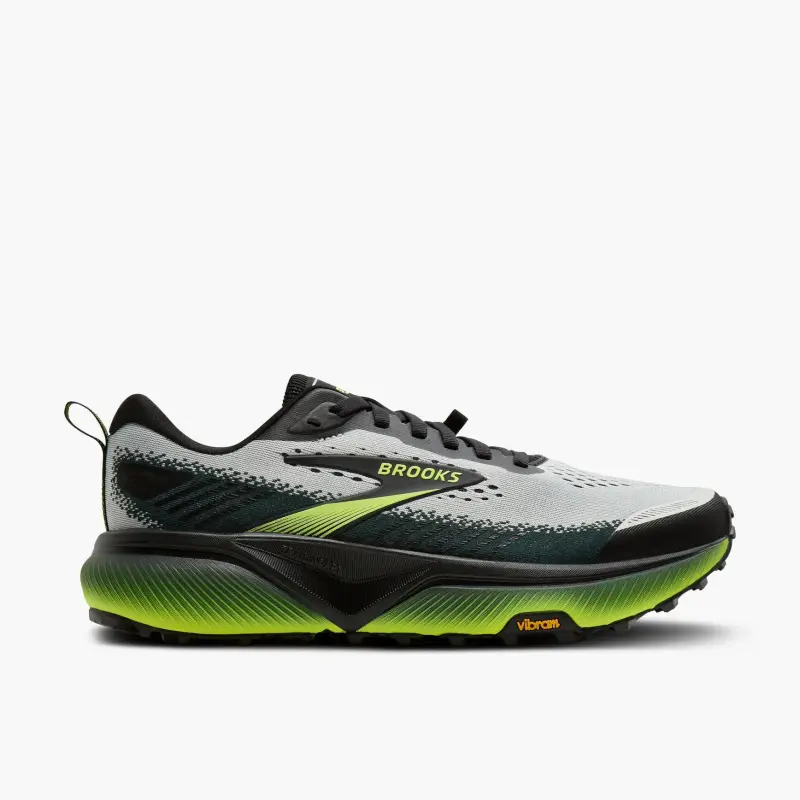
- Best for trails: Brooks Cascadia 20. A stable trail shoe with Vibram Megagrip, 4 mm lugs and added cushioning.
How Brooks cushioning and support differ
Foam is one useful way to understand the lineup. DNA Loft v3, found in the Ghost 18 and Adrenaline GTS 25, is nitrogen infused and combines EVA and rubber. The design uses air cells to provide cushioning without adding as much weight as a denser midsole might.

DNA Tuned appears in the Glycerin 23, Glycerin Flex and Glycerin Max 2. Brooks varies the size of the foam cells: larger cells in the heel are intended to soften landings, while smaller cells in the forefoot aim to create a more responsive toe off. The shoes use the same foam family, but their shapes and overall stiffness produce distinct rides.
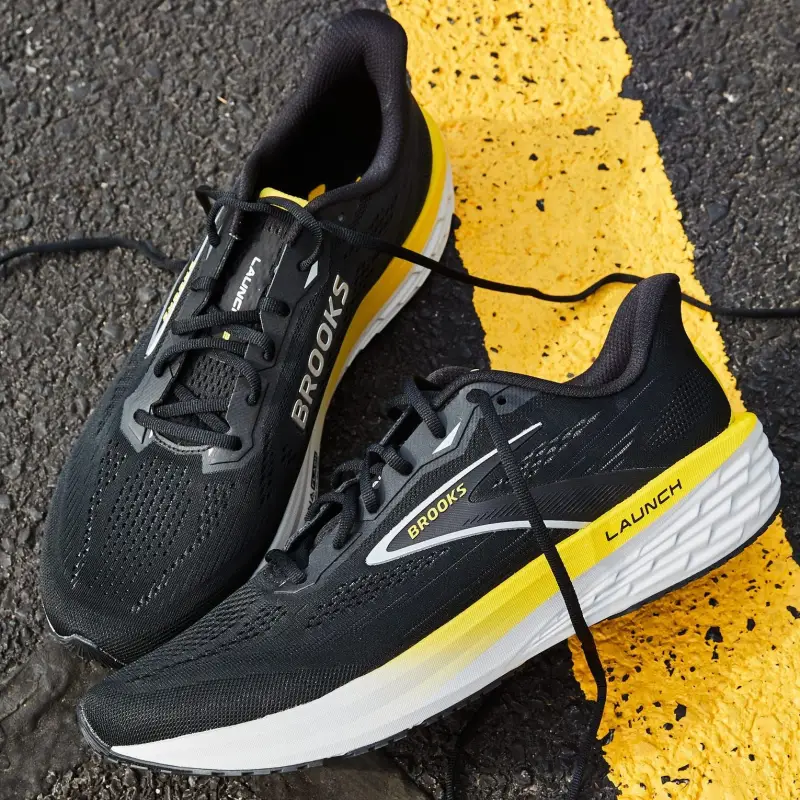
For faster running, the relevant names include DNA Flash, DNA Flash v2, DNA Gold and DNA Hype. DNA Gold is a PEBA foam; DNA Hype combines PEBA and EVA. The Launch 12 uses DNA Flash v2 in the forefoot, while the Ghost Amp brings PEBA into a Ghost trainer through DNA Hype. The Hyperion Elite 6 uses a PEBA midsole.
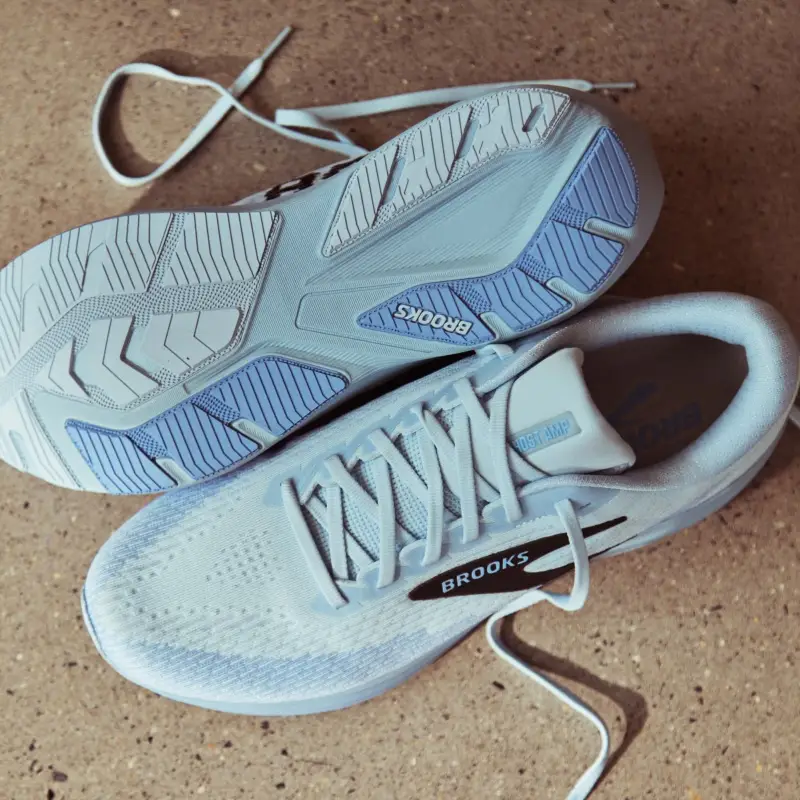
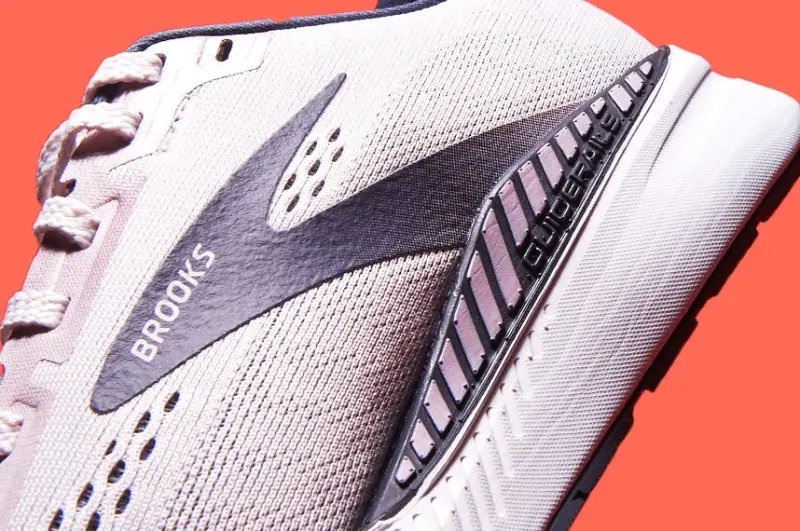
Brooks’ stability shoes use GuideRails, two denser foam structures along the inner and outer sides of the midsole. They are designed to limit excessive side to side movement when a runner’s form becomes less steady. The Adrenaline GTS 25 is the support focused counterpart in this group. A stability feature is a design characteristic, not a diagnosis; runners can compare how it feels with a neutral shoe during a fitting.
Road shoes for daily training and long runs
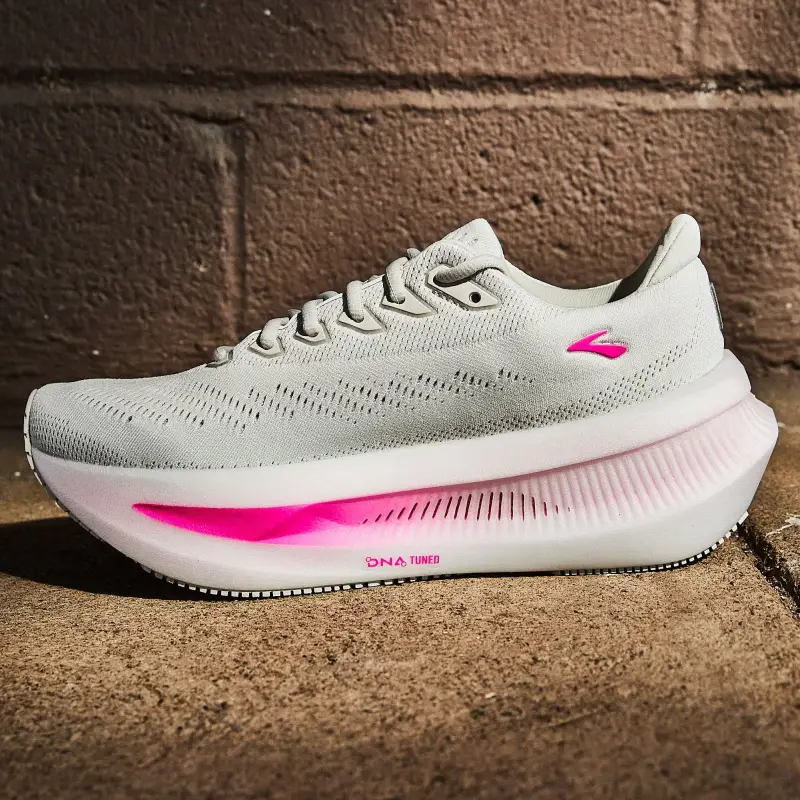
Brooks Glycerin 23: the most versatile pick
The Glycerin 23 earns the overall spot for a combination of cushioning, room and a lively ride. Testers valued its broader platform and toe box, particularly when compared with the Ghost 18. Its DNA Tuned midsole is described as lighter and springier than the DNA Loft used in the previous Glycerin generation.
The shoe weighs 10.6 ounces in a men’s size 9 and 8.7 ounces in a women’s size 7, with an 8 mm drop. That makes it a little heavier than a standard daily trainer, but the cushioning and energy return were especially appreciated on long outings. The reviewer found it comfortable on double digit mileage and less dependent on a carbon plated shoe for training runs.

Runners who prefer more support can look at the Glycerin GTS 23, the stability version. It reportedly feels firmer and somewhat stiffer than the neutral Glycerin 23. That difference may appeal to someone seeking a denser underfoot feel, though individual preferences vary.
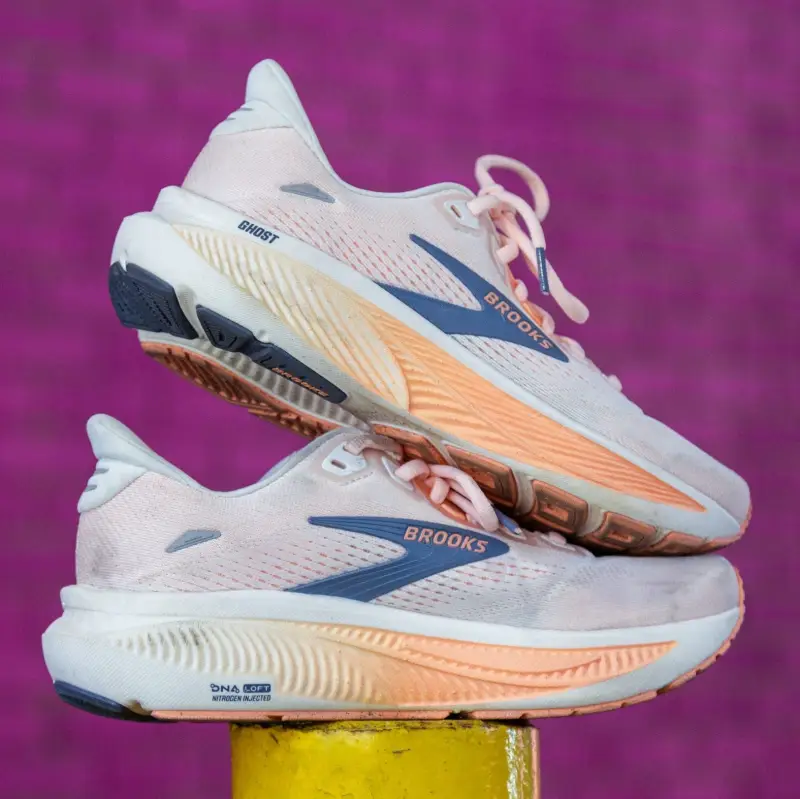
Brooks Ghost 18: an everyday workhorse
The Ghost 18 keeps the model’s familiar recipe: balanced cushioning, a comfortable upper and a ride intended for regular mileage. It uses DNA Loft v3, weighs 10.2 ounces in a men’s size 9 and 9.2 ounces in a women’s size 8, and has a 10 mm drop. Multiple width options give shoppers some flexibility.

The updated jacquard air mesh upper and padded flat knit tongue divided testers. Some appreciated the stretch and secure wrap; others, particularly some women testers, reported pressure near the big toe and the area prone to bunions. A few found the shoe stiff at first. Trying it on and checking for forefoot pressure is sensible, especially if that area is often uncomfortable in other shoes.

For runners who find the shape comfortable, the Ghost 18 is positioned as a dependable trainer for new runners and routine daily miles. The Glycerin 23 may be a better fit for those who want more toe room or a wider platform.
Brooks Adrenaline GTS 25: cushioning with GuideRails
The Adrenaline GTS 25 adds cushioning at both ends of the shoe: 1 mm more at the heel and 3 mm more at the forefoot than the prior design described in the review. The resulting 10 mm drop accompanies nitrogen infused DNA Loft v3 foam. It weighs 10.6 ounces in a men’s size 9 and 9.5 ounces in a women’s size 8.
GuideRails run along the inner and outer sides of the midsole. Testers who run with different gaits reported a comfortable ride and a stable base, including during a 14 mile training run. That broad appeal is why the Adrenaline is recommended for longer runs: it combines a cushioned feel with support that some runners may appreciate as fatigue sets in.
One small fit complaint was that the laces felt too short to several testers. The model’s stability features may suit some runners and feel unnecessary to others; comfort on foot is a better guide than assumptions based on gait labels alone.

Brooks Glycerin Max 2: a very cushioned option for easy days
The Glycerin Max 2 is built around a high volume, max cushioned ride. At 11.3 ounces for men and 10.2 ounces for women, it is among the heavier choices here. Its 6 mm drop and DNA Tuned foam are paired with a GlideRoll profile intended to help the foot move smoothly through a stride.
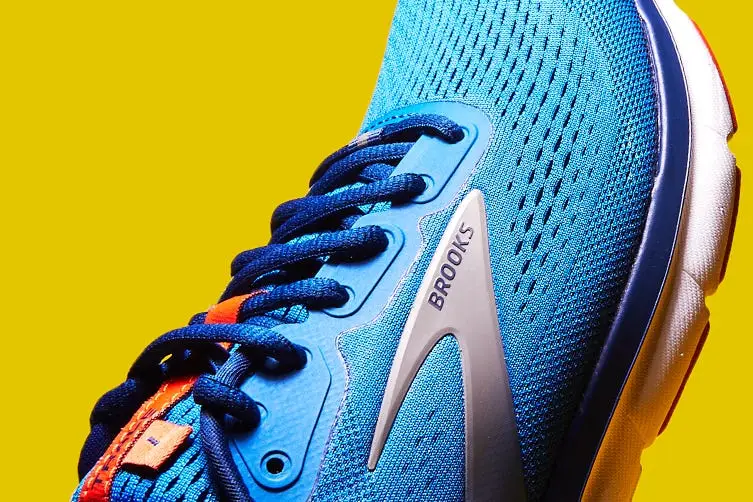
Testers who expected a soft, flexible shoe found this version stiffer than the original. That firmness is a key part of its character: the model is recommended for relaxed runs and recovery days, where the substantial cushioning may feel welcome. One tester described it as particularly pleasant when running slowly on tired legs; another praised its padded, breathable upper and said it worked well for an easy eight to ten mile outing.
That makes it a more specialized daily option than the Glycerin 23. Runners seeking a light, nimble feel may find the weight and stiffness less appealing.
Speedwork, training and race day
Brooks Launch 12: a lower cost shoe for quicker sessions
At $120 in the review, the Launch 12 offers a lightweight option for track sessions and faster segments within an ordinary run. It weighs 8.9 ounces in a men’s size 9 and 7.9 ounces in a women’s size 8, with an 8 mm drop. DNA Flash v2 foam in the forefoot gives the shoe a responsive feel, and testers also liked its traction.

The tradeoff is fit: the midfoot is notably narrow. Runners with wider feet may prefer a more accommodating speed shoe. Testers with standard or narrow feet liked the Launch’s quick feel and said it could handle both short faster efforts and longer runs. One tester described it as light enough for fartlek intervals while still feeling supportive over more distance.

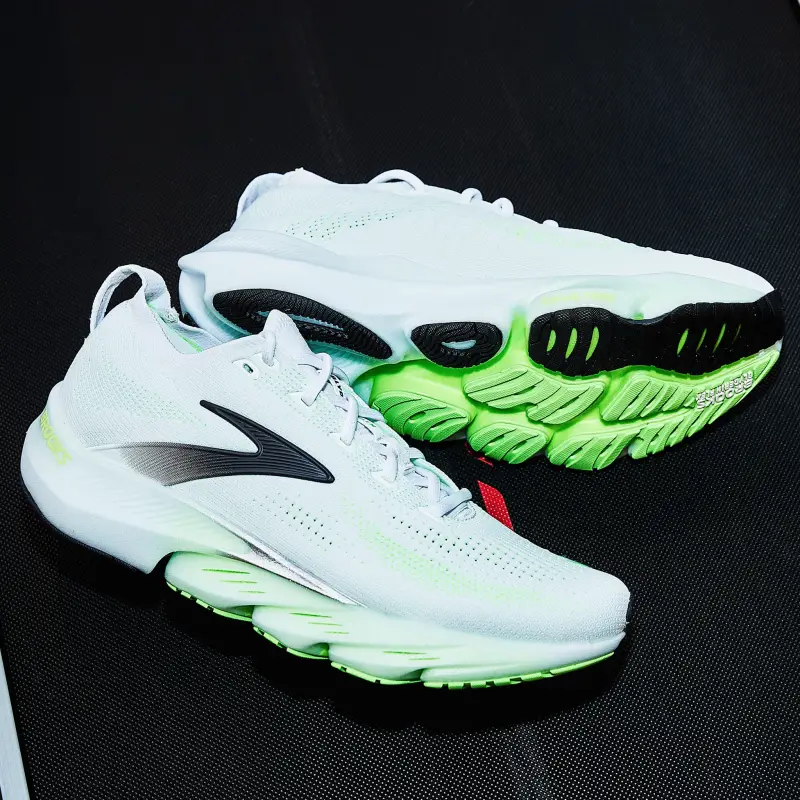
Brooks Ghost Amp: a trainer with more rebound
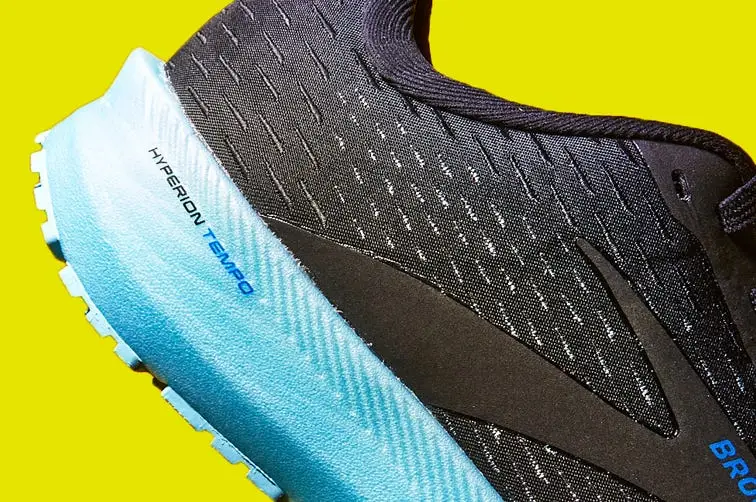
The Ghost Amp marks a change for the Ghost line by using PEBA in the midsole. Its DNA Hype foam blends PEBA and EVA, and the difference in rebound was noticeable to testers compared with the Ghost 18. The shoe weighs 9 ounces in a men’s size 9 and 8 ounces in a women’s size 8, with a 6 mm drop.

A SpringRamp element in the forefoot is intended to help propel the stride. Testers favored the shoe for tempo running and track workouts, praising the energy return and a cushioning level that felt neither too soft nor too firm. The upper was described as soft and accommodating.

The lower 6 mm drop did not suit everyone, including some testers with Achilles concerns. That response is individual, and the shoe’s listed specifications cannot predict how it will feel for a particular runner. Anyone who has ongoing pain or a history of symptoms may want to discuss footwear changes with a clinician or physical therapist.

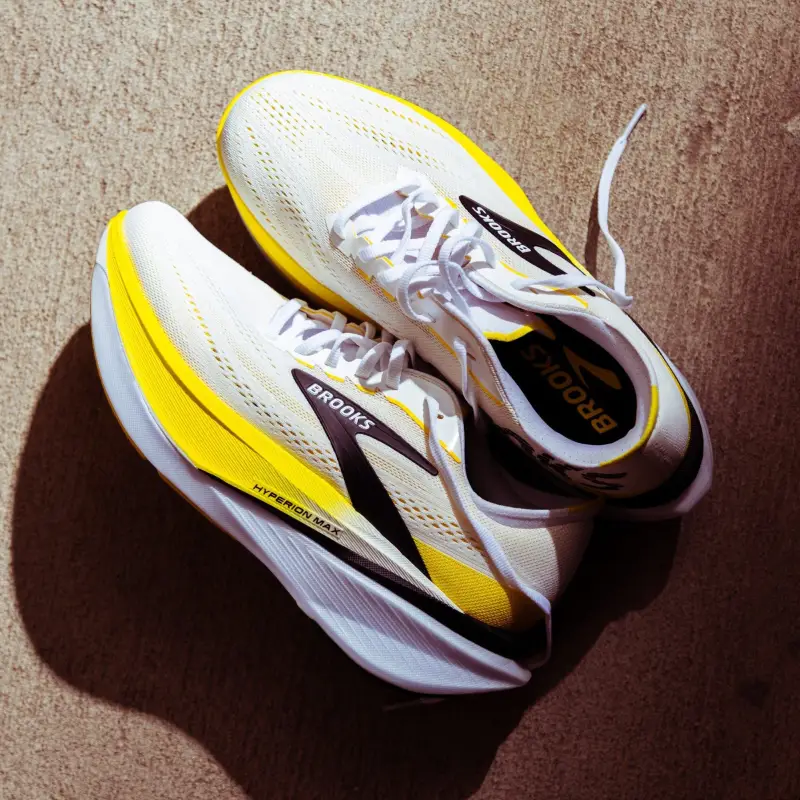
Brooks Hyperion Max 4: a plated trainer for demanding runs
The Hyperion Max 4 pairs a flexible nylon plate with layers of PEBA DNA Gold and DNA Flash v2 foam. It weighs 10.1 ounces in a men’s size 9 and 8.8 ounces in a women’s size 8, with a 6 mm drop. The cushioning and plate are intended to support faster turnover, while the broader platform gives it a more grounded feel than a narrow racing shoe.

Its outsole has more rubber coverage than many shoes built around super foams. Testers valued the grip and the sense of confidence on turns and slick painted surfaces. The wide midfoot can also suit runners who find other plated models too narrow, although the toe box itself is described as somewhat narrow.

The Hyperion Max 4 is heavier than a typical race shoe and feels denser than its predecessor, the Hyperion Max 3. Its appeal is the mix of cushioning, plate assistance and durable traction for longer workouts or marathon training. A flexible nylon plate may feel more forgiving to some runners than a rigid carbon plate, but the ride remains a matter of preference.

Brooks Hyperion Elite 6: a race day option
The Hyperion Elite 6 weighs 6.8 ounces in a unisex men’s size 9 and has a 7 mm drop. It uses a PEBA midsole, a SpeedVault+ plate and a RapidRoll rocker. Brooks adjusted the plate angle and shoe geometry to encourage faster turnover, particularly when a runner surges late in a race.

Testers found the midfoot more accommodating than that of some competing race shoes and praised the soft, comfortable ride, grip and propulsion at marathon pace. One tester called it a comfortable option for workouts and races at half marathon distance or longer. The main qualification is that it was not considered as bouncy as leading competitors by the review team.

Race shoes are designed around speed and may not be the right choice for everyday running. The Elite 6’s test feedback describes feel and fit; it doesn’t show that the shoe will improve performance for every runner.

Flexible cushioning and trail protection
Brooks Glycerin Flex: plush cushioning with a bendable midsole
The Glycerin Flex challenges the assumption that a cushioned trainer needs a tall, rigid platform. Its stack height is 36 mm, relatively low compared with many high stack trainers. A diagonal Flex Zone through the midfoot lets the shoe bend readily, a design intended to work with the foot’s natural movement.

The shoe weighs 9.4 ounces in a men’s size 9 and 7.3 ounces in a women’s size 7, with a 6 mm drop. Its DNA Tuned foam is also used in the Glycerin Max and Glycerin 23. Testers described the ride as light but plush, with cushioning that absorbs impact without feeling bulky. They also found it versatile for everyday running, gym sessions and casual wear.

A padded heel was singled out for its secure, comfortable hold. One tester wanted a gusseted tongue, which would attach the tongue to the sides of the upper and help it stay centered. That detail may matter to runners who prefer a more locked in fit.
Brooks Cascadia 20: secure footing on varied trails
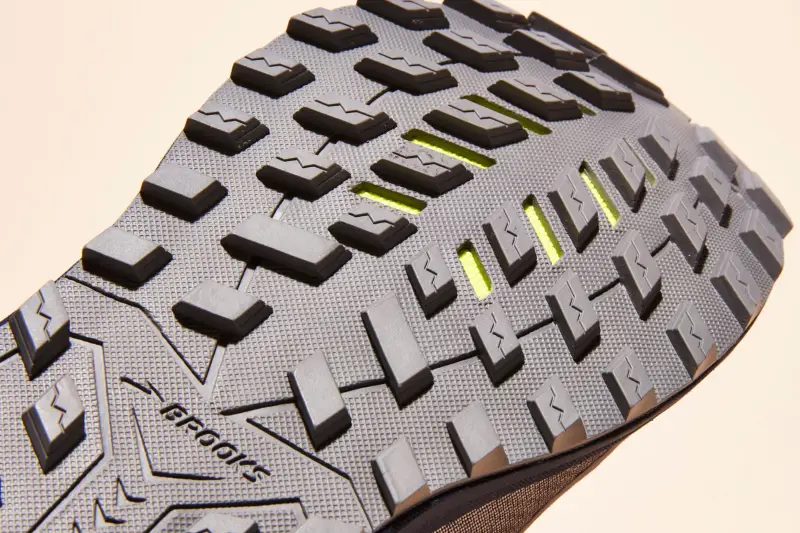
The Cascadia 20 adds 4 mm of nitrogen infused DNA Loft v2 cushioning for more protection underfoot. Its Vibram Megagrip outsole has 4 mm lugs that testers said handled loose dirt, mud and gravel well. The Trail Adapt system combines a broad base, flex in selected areas and lugs designed to adjust to uneven ground.

At 10.8 ounces in a men’s size 9 and 9.7 ounces in a women’s size 8, with a 6 mm drop, the Cascadia prioritizes stability, comfort and protection over speed. Testers described it as reliable across a range of trail conditions and as a middle ground between lightweight performance shoes and more heavily built hiking footwear.
The upper’s limited ventilation was the main drawback; some testers found the shoe ran hot. For runners and hikers who value grip and a secure feel across mixed terrain, the Cascadia 20 looks versatile, but the warmer upper may be less comfortable on hot days or for people who prefer highly ventilated footwear.
Choosing among the models
Start with where and how you expect to run. The Ghost 18 and Glycerin 23 cover everyday road miles, with the Glycerin offering more room and a bouncier feel. The Launch 12 and Ghost Amp are aimed at faster sessions, while the Hyperion models add plates and more specialized foam for demanding training or race day. The Adrenaline GTS 25 adds GuideRails, and the Cascadia 20 is built for off road traction.
Then pay attention to fit and feel. The Launch 12 is narrow through the midfoot; the Ghost 18 caused forefoot pressure for some testers; the Glycerin 23 has a roomier toe area; and the Hyperion Max 4 combines a broad midfoot with a narrower toe box. A shoe can have appealing specifications and still be a poor match if it pinches, rubs or feels unstable during a short run.
Brooks’ product history reflects a broader shift in running shoes: EVA midsoles have developed into newer foams designed to change softness, weight and rebound, while support has moved from a firm medial post to GuideRails. These features help explain why models feel different, but they can’t identify the ideal shoe for every person. A practical fitting, with attention to comfort during movement, remains the most useful next step.


