- Subject
- Nutrition
- Filed
- Source
- Joseph Johnson
- Loans
- 976
Brooks Ghost 18 Review: A Reliable Daily Running Shoe With Fit Caveats
The Ghost 18 offers dependable cushioning for everyday runs, but some testers found its standard width cramped. Fit and width options matter.
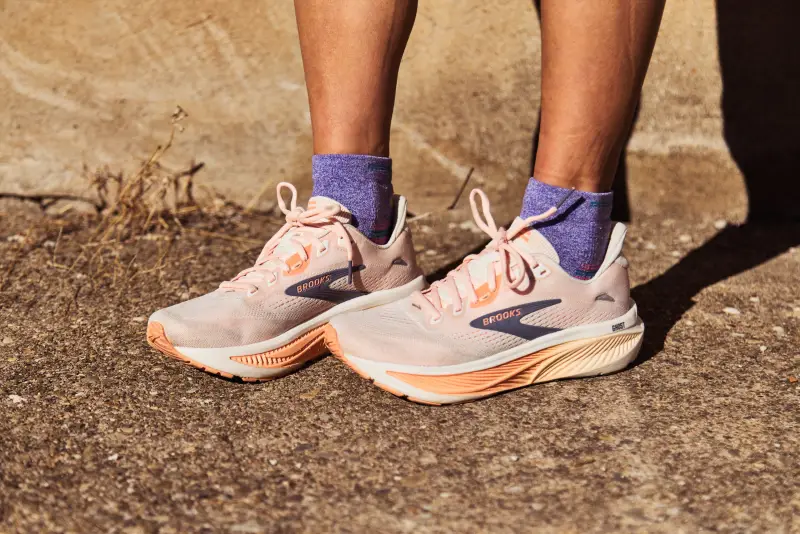
The Brooks Ghost 18 remains a capable daily trainer, but its fit has divided testers. Six months of wear and comparison with the cushier Glycerin 23 point to a practical takeaway: the Ghost may work well for regular training, but the standard width won’t suit every foot.
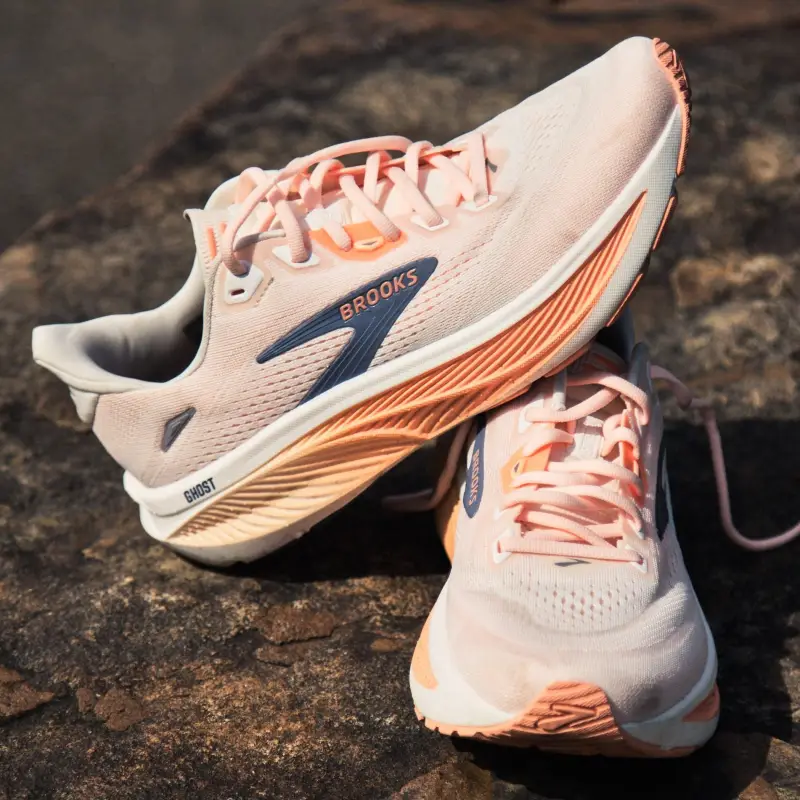
The Ghost has long been an approachable neutral road shoe for runners who want a middle ground in cushioning. The 18th version keeps that everyday role, with a 10 mm drop, a 36 mm stack height and nitrogen-infused DNA Loft v3 foam. Listed weights are 10.2 ounces for a men’s size 9 and 9.2 ounces for a women’s size 8. Testers praised its soft, responsive cushioning, padded flat-knit tongue and comfortable fit. Some also found it stiff at first, with pressure near the forefoot in people prone to bunions.

Fit explains the split in feedback
The Ghost 18’s early staff reviews were mixed, especially on comfort. Men testers rated comfort highly, while women testers gave it much lower marks. Several described a cramped feeling around the forefoot, and the issue wasn’t limited to women. One tester said the length worked but the width felt increasingly tight during runs; another said a wider fit would have been more comfortable.

The Glycerin 23, Brooks’ more cushioned daily trainer, received stronger comfort feedback in the same period. It weighs a few tenths of an ounce more than the Ghost 18, and its higher comfort scores suggest that the difference between the models may matter most at the foot rather than in their broad training roles. A tester of the Glycerin described having room for her toes and said her feet stayed cool and dry.
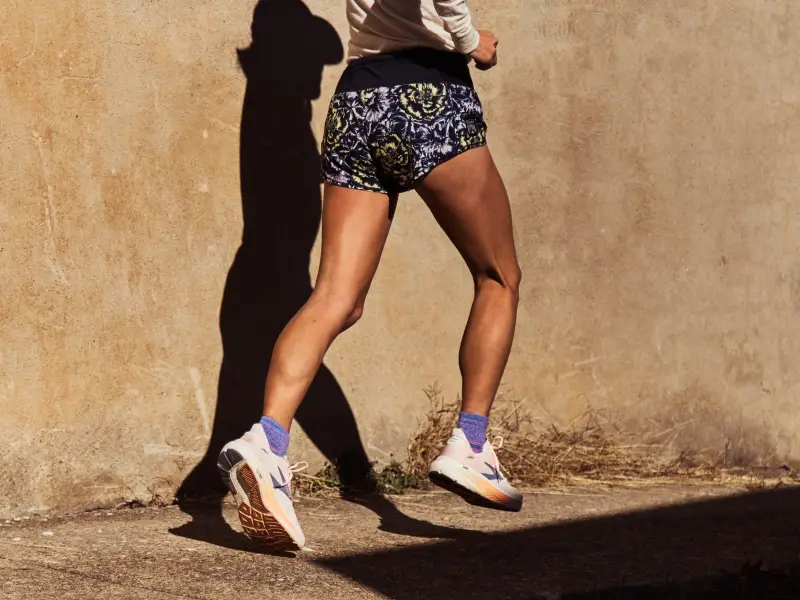
These reports aren’t a controlled comparison of how every runner will experience either shoe. Individual foot shape, shoe size and preferred fit all affect comfort, and testers tried the Ghost in its standard width: B for women and D for men. The model is also sold in narrow, wide and extra-wide options, so the standard-width feedback doesn’t describe every version.
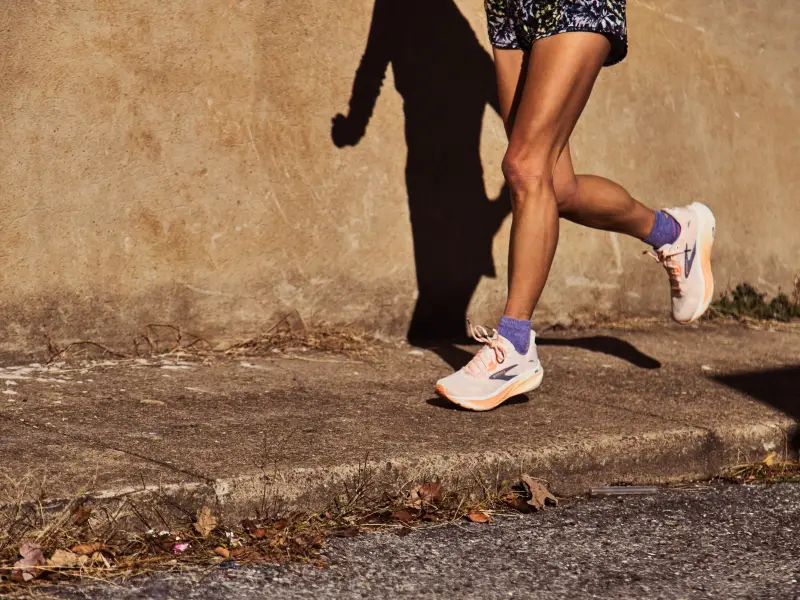
Some runners found it improved with wear
Initial stiffness can ease as a shoe breaks in, and one captioned test observation noted that the Ghost became more flexible and comfortable after some use. But that doesn’t mean runners should count on discomfort disappearing. One tester gave the shoe several tries over six months and reported only about two runs without pain. For that runner, persistence didn’t resolve the fit problem.

Other testers had a very different experience. One longtime Ghost wearer rated the latest version highly, describing it as a worthy successor with room in the toe box. That tester praised its stability and durability, including on wet roads and loose gravel. Another reviewer said the shoe wrapped the foot securely and stayed comfortable over longer distances.
That secure feel comes partly from familiar design details: a padded heel collar that holds around the ankle and a flat, ribbed tongue. These features may suit runners who like a close, cushioned wrap, though they can’t compensate for a forefoot that feels too narrow.
Where the Ghost 18 fits among daily trainers
The Ghost 18 is designed for everyday road training, whether someone is building a running habit or preparing for a race. Its cushioning is generous without aiming for the plushest feel. The review describes its DNA Loft v3 foam as less lively than foams made with TPEE or PEBA, but still dependable for logging regular miles.
At $150, it sits near the $145 New Balance Ellipse. The Glycerin 23 costs $175 and offers a heavier, plusher ride. The Ghost is the lighter, more moderate option for runners who want substantial cushioning without as much softness. Those distinctions can help narrow a choice, but comfort and fit remain personal.
Trying the fit is the useful next step
Trying a shoe on and, where possible, taking a short test run can reveal pressure that may not show up while standing in a store. A foot measurement can also help identify whether a narrow or wider size is a better starting point. Feet can change over time, so the size or width that worked in an earlier version of a shoe may not be right now.
The Ghost 18 looks like a reliable daily trainer for runners who find its shape comfortable. Its mixed reviews are a reason to pay close attention to width and forefoot room before committing. A well-fitting pair can make the shoe’s steady cushioning and secure upper useful for routine miles; persistent discomfort is a sign to reconsider the fit.


