- Subject
- Nutrition
- Filed
- Source
- Michael Rodriguez
- Loans
- 727
Adidas Hyperboost Edge Running Shoe: Cushioning, Fit and Current Discounts
The Hyperboost Edge earned a 2026 shoe award for its bouncy ride, but testers reported upper irritation. Prices listed were $160 at Adidas and $150 at Nordstrom.

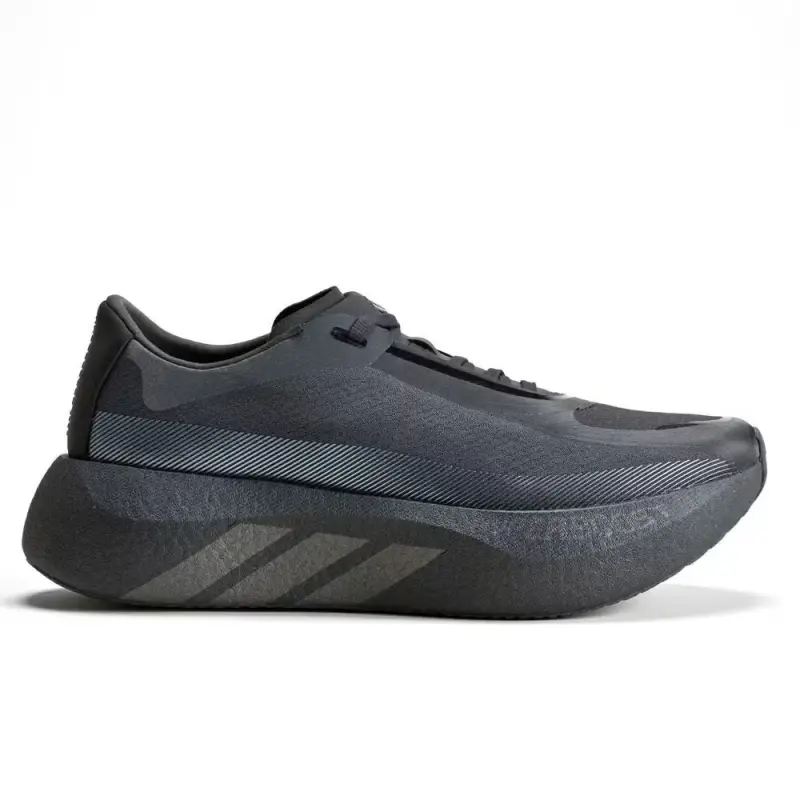
The Adidas Hyperboost Edge pairs a very high stack of responsive foam with a flexible design, making it an option for runners who want substantial cushioning on long training runs. It also comes with a fit concern: testers reported blisters and hot spots from the upper. That combination matters more to a buying decision than the shoe’s award or discount alone.
What the shoe is built for
Adidas positions the Hyperboost Edge as a “super trainer” for long runs, including marathon distance and beyond. Its midsole rises 45 millimeters and uses pelletized PEBA foam, which the company calls Hyperboost Pro. The design does not include a plate or another stiffening element. Instead, the thick foam is intended to provide a soft, springy feel while allowing the shoe to flex.
That construction gives the model a distinct purpose in a running rotation: it prioritizes cushioning and bounce over a firm, plate-driven ride. The shoe’s size and high foam stack may appeal to runners seeking comfort over extended miles, though the source provides no weight, stability testing, or comparison data to show how it performs against other trainers. The reported ride is useful context, but it can’t predict how the shoe will feel for every runner.
What testers liked—and what bothered them
Testers and editors described the ride as both cushioned and responsive. Runner’s World editor Amanda Furrer called the shoe “near perfect” and a go-to for long runs. During one 10-mile run, she said its pillowy response helped her run a minute faster than her usual pace. That is one tester’s experience, not evidence that the shoe will improve other runners’ times.

Tester Dee Koutsourais said the shoe felt responsive for easy mileage, durable enough for regular training and comfortable for all-day wear. Testers also found it pleasant enough to use casually. Those impressions suggest the Hyperboost Edge may have appeal beyond a single type of workout, although the available account does not describe a controlled comparison or a large participant group.
The main drawback was the Primeknit upper. Testers experienced blisters and hot spots across the top of the foot. That kind of friction can affect comfort even when a shoe’s cushioning feels good underfoot. Fit and pressure points vary from person to person, so the reported issue is a reason to pay attention to how the upper feels during a try-on and early wear, rather than a guarantee that every wearer will have the same problem.
Award recognition and price details
The Hyperboost Edge received a 2026 Shoe Award for its technology and ride. An award can help identify a model that stood out to reviewers, but it does not replace individual fit or establish that the shoe is suitable for every runner. Here, the positive assessment sits alongside a specific comfort concern that prospective buyers may want to weigh.
The listed Adidas price was $160, down from a $200 suggested retail price, with men’s and women’s versions and several color options available at the time of the report. Nordstrom listed the men’s shoe for $150. Prices and available sizes can change, and the source did not give a sale end date. Adidas had the broader selection described in the report; the Nordstrom price was for men’s sizing.
What to consider before choosing it
The Hyperboost Edge looks most relevant to runners seeking a highly cushioned, bouncy shoe for long training efforts, with the added possibility of wearing it outside workouts. Its 45-millimeter foam platform and unplated design are central to that feel. The upper’s reported irritation is the clearest caution, particularly for anyone who is sensitive to pressure across the top of the foot.
When possible, checking the fit and trying the shoe on can help clarify whether the upper feels comfortable. Runners managing recurring blisters, foot pain or another concern can discuss footwear choices with a clinician or a knowledgeable shoe-fitting professional. The discount may make the shoe less expensive, but comfort during use remains the practical test.


