- Subject
- Nutrition
- Filed
- Source
- Michael Johnson
- Loans
- 699
9 New Balance Running Shoes for Daily Training, Speed and Trails
Compare nine New Balance running shoes by cushioning, stability and intended use, with key specs and fit considerations to help narrow your choices.

New Balance’s running lineup covers very different needs: steady daily miles, soft recovery runs, faster workouts, race efforts and trails. The main choice is how much cushioning and support you want, and whether the shoe’s weight and ride suit your pace. These nine models range from a budget trainer to a carbon plated race shoe; their features reflect wear testing and product reviews, not evidence that one design works best for every runner.

New Balance has made footwear in Boston since 1906, starting with arch supports. Its running range still includes dependable trainers such as the 880, alongside newer foams and plated shoes. The recommendations below draw on reviews of the models and wear testing described by the reviewers, including input from running reviews editor Amanda Furrer. Fit and comfort are personal, so the stated pros and drawbacks matter as much as the category labels.
At a glance
- Everyday neutral training: Fresh Foam X 880v15
- Lower-cost daily running: Fresh Foam 680v9
- Comfortable, springy easy runs: Ellipse
- Plated training: SuperComp Rebel
- Soft cushioning for daily and long runs: 1080v15
- Light to moderate trails: Fresh Foam X Hierro v9
- Intervals and varied paces: FuelCell Rebel v5
- Race day: SuperComp Elite v6
- Added stability for training: Fresh Foam X 860v15
How the shoes were chosen
The selection reflects a review of New Balance’s range and running shoe technology, existing model reviews, and wear-test information. The goal is to show how the shoes differ in intended use and ride, rather than suggest that a single model suits every runner. Specs below include the listed weights and heel-to-toe drops; weight varies by shoe size.
Everyday trainers and cushioning
Fresh Foam X 880v15: a versatile neutral trainer
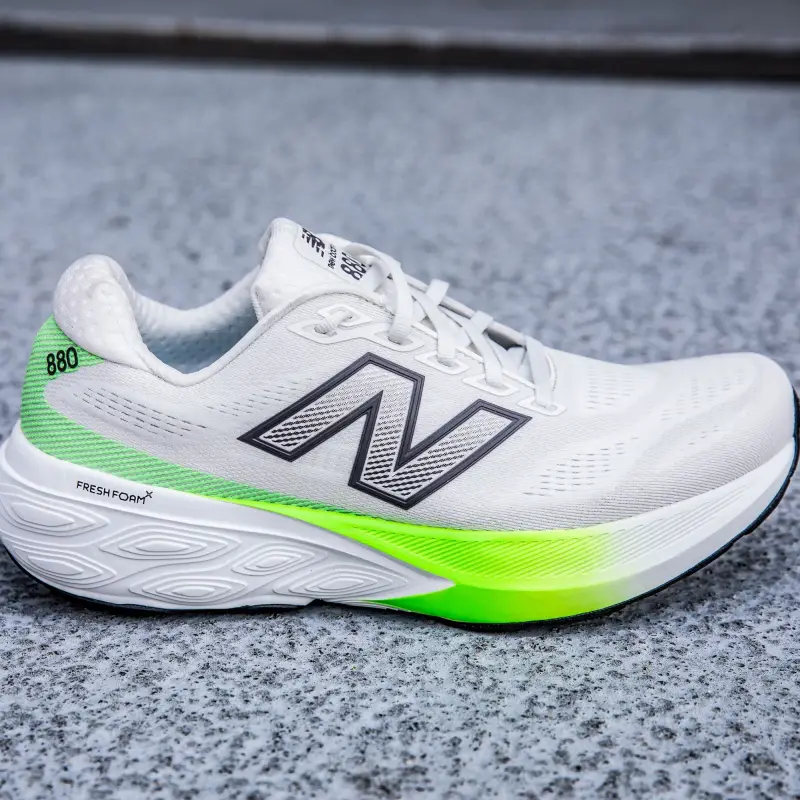
The 880v15 is the broadest-use option in this group: a neutral daily trainer built for routine runs, including longer efforts. Its EVA-based Fresh Foam X midsole has more than 40 millimeters of stack height in this version. That added material cushions impact, while the ride remains relatively firm and stable rather than sinking into a very soft feel. Reviewers described it as predictable underfoot, with a snug upper helping keep the fit comfortable.
The tradeoff is weight. At 10.7 ounces for a men’s size 9.5 and 8.4 ounces for a women’s size 7, it is heavier than its predecessor, and some runners may find its thick sole stiff. Still, its balance of cushioning and stability makes it a practical option for neighborhood runs, long outings and, for some testers, faster sessions. The listed drop is 6 millimeters.

Fresh Foam 680v9: a lower-cost choice

At a listed price of $85, the 680v9 offers cushioning and a comfortable fit at a lower price than the brand’s premium trainers. It is light for a daily shoe, with a breathable upper and cushioning reviewers found supportive enough for regular training. The ride gives up some energy return, however, and the cushioning is not as substantial as in more expensive models. Reviewers also flagged durability as a potential weakness.
The midfoot has an accommodating fit, though some testers found the toe box narrow. The model comes in wide widths for men and women, plus an extra-wide men’s option; trying a different size or width may help those who find the front of the shoe restrictive. Listed weight is 9.7 ounces for men and 7.6 ounces for women, with an 8-millimeter drop.
Ellipse: plush and lively on easy runs

The Ellipse aims for a soft, springy experience, making it a better match for easy and recovery runs than workouts that call for quick changes in pace. Its Fresh Foam X midsole uses a revised shape that compresses on landing and rebounds, giving testers a buoyant feel. One tester described the sensation as having a strong wind at their back. That’s a subjective impression, but it captures the shoe’s lively character.
Some testers found the shoe bulky, and its listed weights—9.6 ounces for men and 7.7 ounces for women—help explain why it may not feel nimble during speedwork. At $145, it costs more than the budget 680v9, but its reviewers valued the cushioning and bounce. The drop is 8 millimeters.

Fresh Foam X 1080v15: a softer ride with more pop
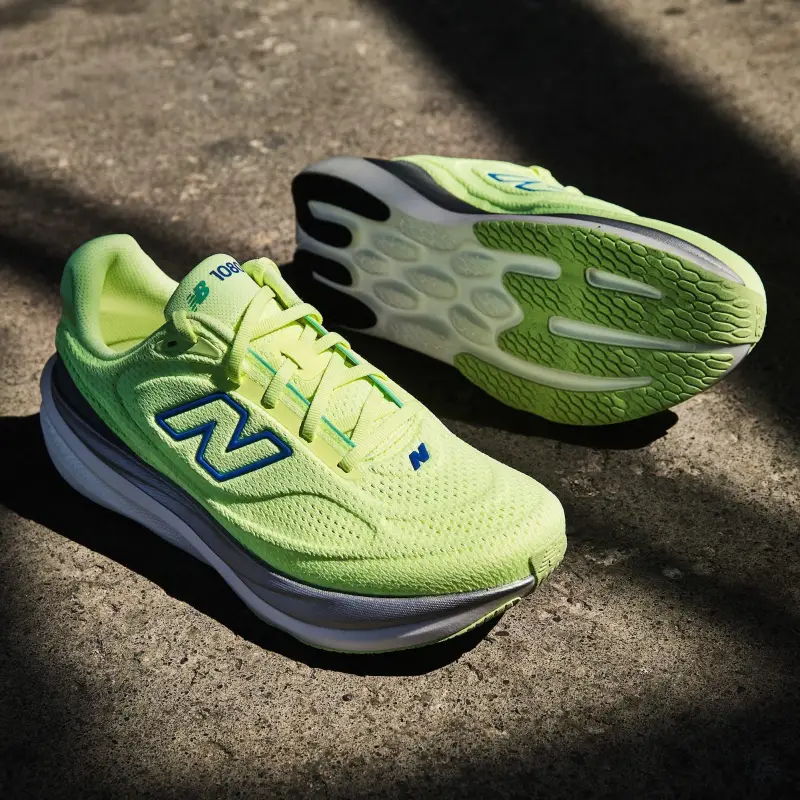
The 1080v15 changes the formula behind this cushioned daily trainer: it replaces the EVA-based Fresh Foam used in earlier versions with Infinion, a blend described as supercritical TPEE and TPU-based. Reviewers found the new foam more responsive and durable, adding bounce while keeping a soft ride. Some testers initially thought the shoe felt like too much underfoot, but later used it for everyday running and long runs.
Its response may make it more versatile than earlier 1080 models, although some younger testers still preferred a less substantial shoe for daily use. Testers also reported a comfortable upper without break-in hot spots. At 9.1 ounces for men and 7.2 ounces for women, with a 6-millimeter drop, it is a cushioned option that reviewers found capable of handling both easy outings and modestly quicker running.
Training for speed and racing
SuperComp Rebel: a plated shoe for training
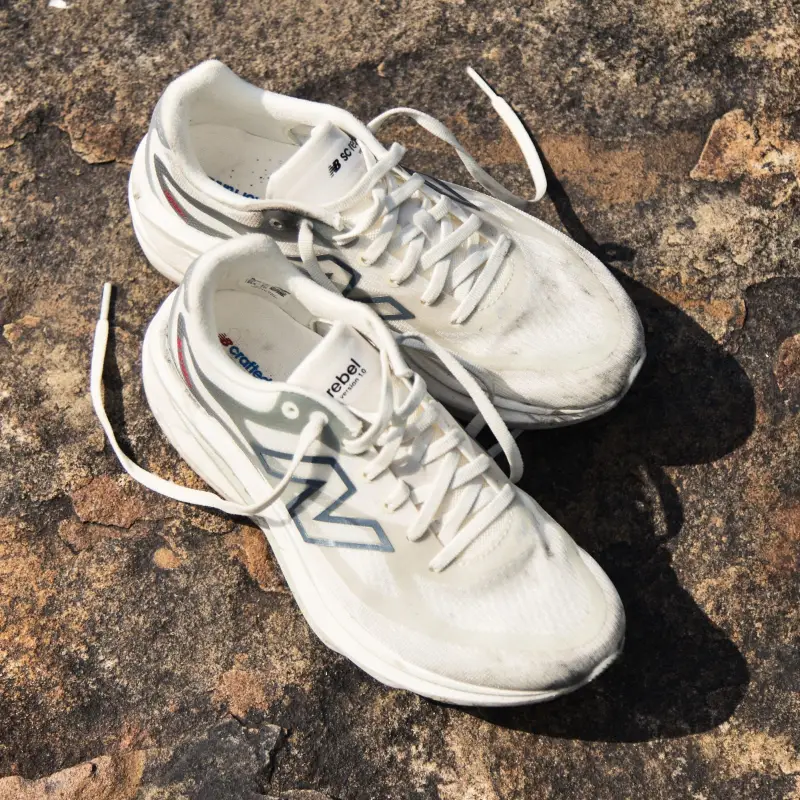
The SuperComp Rebel is designed to bring a plated, propulsive feel to training. Its TPEE-based Infinion foam works with a carbon plate and rocker profile to encourage forward movement. A broad platform gives it more underfoot stability than some highly specialized plated shoes, according to testers. In a long run that included road and trail, Furrer reported reliable traction and said she trusted the shoe on loose dirt and uneven pavement.
Reviewers liked its snap and controlled rebound, which felt springy without being overly aggressive. The shoe is listed at $200 and weighs 7.8 ounces for men or 6.2 ounces for women, with a 4-millimeter drop. Some testers found the fit narrow, though a wider fit is available. Its combination of plate and cushioning may suit runners who want a faster training shoe, but the ride and fit are individual preferences.

FuelCell Rebel v5: for intervals and varied paces
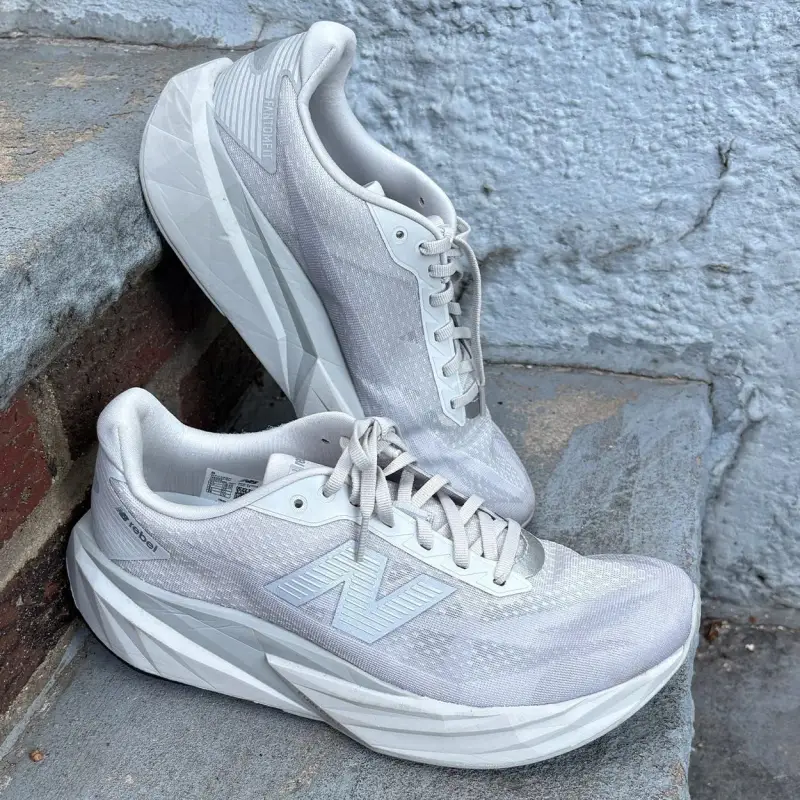
The Rebel v5 is a lightweight, flexible option for speed sessions that can also handle easier running. Its FuelCell midsole blends PEBA and EVA foam. The stack height increased from 30 millimeters in the v4 to 35 millimeters in the v5, adding cushioning while maintaining a relatively light build. The rocker-shaped sole helps smooth the stride; testers described the ride as firm but comfortable.
At 7.5 ounces for men and 6.3 ounces for women, with a 6-millimeter drop, it is lighter than the daily trainers above. It doesn’t have the carbon plate found in the SuperComp Elite, so it offers less of that shoe’s propulsive feel. But testers found it peppy and comfortable across a range of paces. For runners who want a dedicated workout shoe that can still work on slower days, that flexibility is a useful feature.
SuperComp Elite v6: a race-focused option
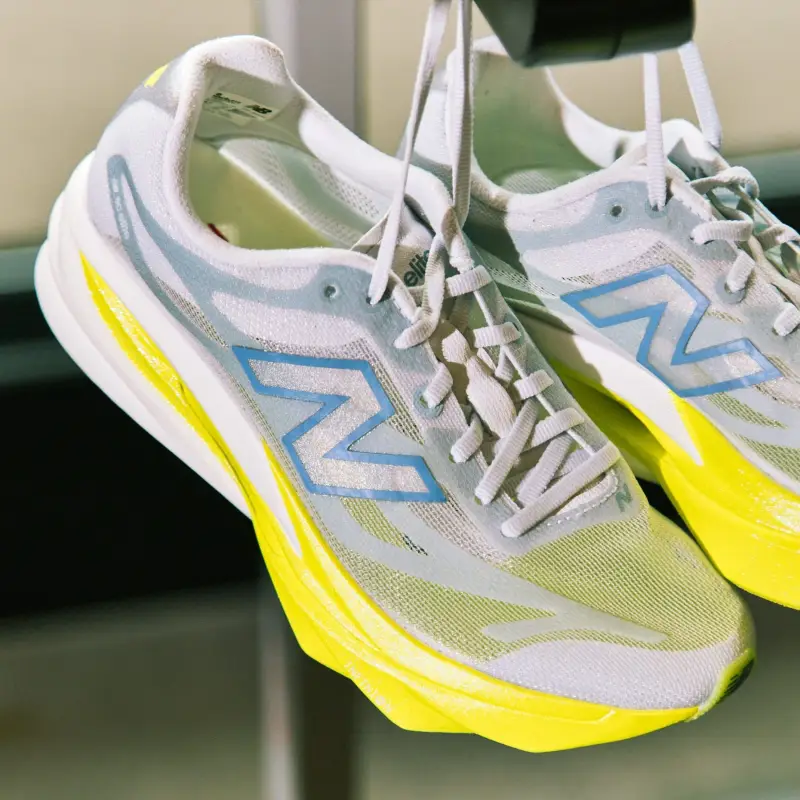
The SuperComp Elite v6 is built for racing, pairing a carbon-fiber plate with a new version of Infinion foam. The TPEE-based midsole is lighter and bouncier than the foam in previous versions, and a translucent mesh upper reduces weight. The resulting shoe is listed at 7 ounces for men and 5.4 ounces for women, with an 8-millimeter drop; its listed price is $275.
Testers found the ride less aggressive than some competing race shoes, and a few noticed firmness through the midfoot. The cushioning also didn’t feel as bouncy as some rivals. On the other hand, testers liked the heel cushioning and the roomier midfoot fit, particularly over long distances when feet may swell. One tester said the shoe stayed comfortable over long miles. Its mix of lower weight and sustained comfort may suit marathon efforts, while runners seeking a very soft or highly springy feel may prefer another ride.

Trail running and added support
Fresh Foam X Hierro v9: cushioned grip for moderate trails

The Hierro v9 combines a cushioned Fresh Foam X midsole with a Vibram outsole. Its lugs grew to 4.5 millimeters in this version, providing grip for dirt and uneven ground. The midsole uses two foam densities: a softer upper layer to cushion landings and a firmer lower layer to stabilize the shoe and help shield the foot from sharp debris. The breathable mesh upper and protective overlays add coverage around rocks and brush.
There is no rock plate, but testers found the midsole comfortable over distance and effective at softening bumps. The main concern was fit: some testers’ feet shifted inside the shoe on downhill or technical sections. That makes it a less certain choice for demanding, highly uneven trails. For lighter to moderate terrain, the cushioning and outsole grip are the main attractions. Listed weights are 10.3 ounces for men and 8.3 ounces for women; the drop is 4 millimeters.
Fresh Foam X 860v15: a stability trainer
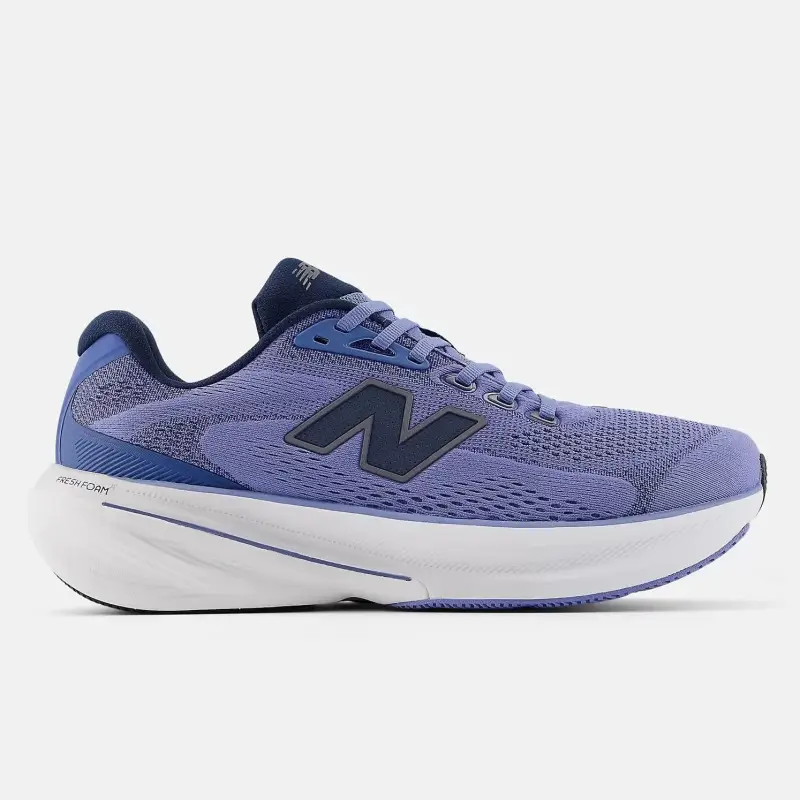
The 860v15 is a supportive daily trainer for runners who want added stability. It pairs a broad, full-contact sole with two densities of Fresh Foam X and a stiff EVA-based Stability Plane. The denser lower foam and plane are intended to resist inward rolling, while softer foam above cushions impact. A rocker shape helps guide the transition from heel to toe.
This construction creates a supportive, cushioned ride for routine miles, but it adds weight and stiffness. At 12.1 ounces for men and 9.4 ounces for women, it is the heaviest model listed here; the drop is 6 millimeters. Testers liked it for general training, while its comfort-oriented build makes it a less appealing choice for tempo efforts. Stability features are design characteristics, not a diagnosis or a substitute for individual comfort and fit.
Understanding New Balance foam and model names
Fresh Foam X is an EVA-based cushioning foam used in the 880, 1080, 860 and other training models. The brand describes it as soft, and the shoes in this group use it to provide padding for everyday running. The 1080v15 is a notable exception to the older formula: it introduces Infinion, which testers found bouncier and more responsive.
FuelCell appears in faster models, including the Rebel v5 and SuperComp Elite. Its formulation varies by shoe. The Rebel v5 combines PEBA and EVA; the race-focused Elite uses a plate and foam designed to support a propulsive ride. New Balance also uses TPEE-based Infinion in the SuperComp Rebel and Elite v6. Foam names alone don’t predict how a shoe will feel: geometry, plate design, fit and weight all shape the experience.
Many numbered New Balance running models have a naming convention that hints at support. Models ending in 80, such as the 880 and 1080, are neutral; those ending in 60, such as the 860, are stability models. The older 40 designation refers to shoes with maximum support. Higher numbers generally indicate more cushioning or midsole technology, though names such as Hierro and Rebel don’t follow this pattern. The system covers casual footwear too, so a number by itself doesn’t establish that a shoe is intended for running.
Common questions
What’s the difference between the SuperComp Pacer and SuperComp Elite?
The Pacer is lighter and leaner, making it a potential match for shorter events such as a 5K, 10K or half marathon. The Elite has more cushioning, including a heel stack reported to be 5 millimeters taller than the Pacer’s. That additional cushioning may be welcome over a marathon distance, when comfort over many miles is a priority.
Which models are worth considering on a tighter budget?
The 680v9 is the least expensive shoe in this selection, with a listed price of $85. The Kaiha Road v2 is another budget-conscious option mentioned by reviewers; it is described as cushioned enough for running and walking. The Ellipse costs more at $145, but its comfort and responsive bounce are why it was selected as a value option. Price and materials don’t guarantee how long a shoe will last for a particular runner.
These models serve different purposes, and the most useful comparison is how each feels at the pace and on the surfaces where it will be used. Fit, cushioning preference and comfort over a test run can help narrow the choices; runners with persistent foot discomfort or questions about support needs can discuss them with a clinician or a knowledgeable footwear professional.


