- Subject
- Nutrition
- Filed
- Source
- James Williams
- Loans
- 378
10 Men’s Running Shoes for Daily Miles, Speedwork, Racing and Trails
Ten tested shoes suit different running needs, from easy daily miles and wide fits to faster workouts, marathon racing and trails.

There isn’t one running shoe that works best for every runner. The right choice depends on the kind of running you do, the fit your feet need and how you want the shoe to feel underfoot. A comfortable daily trainer can be a sensible starting point; runners focused on speed, long distances, stability or trails may prefer different features.
These ten options were selected using feedback from an editorial team and a wear tester program. They cover a range of uses, including everyday training, run/walking, speed sessions, marathon racing and off-road routes. The recommendations reflect testers’ experiences, not a clinical comparison of injury risk or a promise of improved performance. Prices and availability can change, and the listed prices are those reported at the time of review.

At a glance: choosing by running need
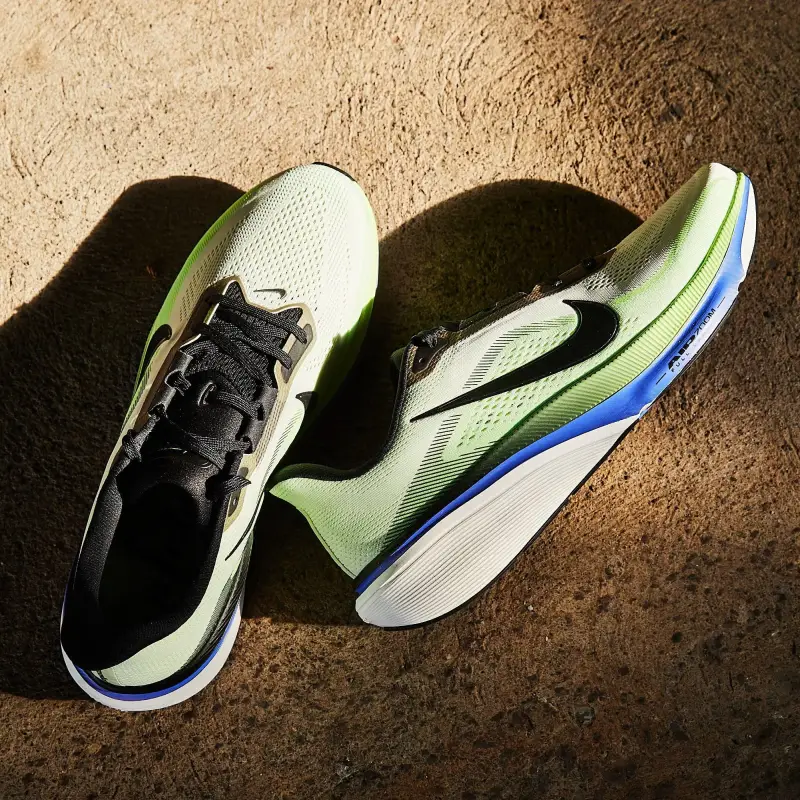
- Everyday versatility: Nike Pegasus 42
- Cushioned value: New Balance Ellipse
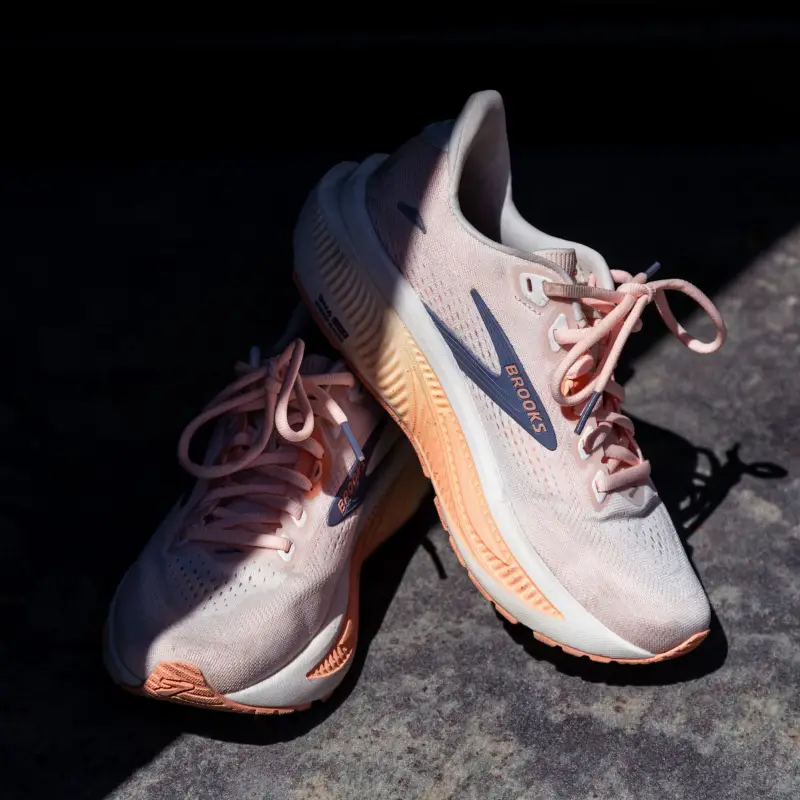
- Easy daily running: Brooks Ghost 18
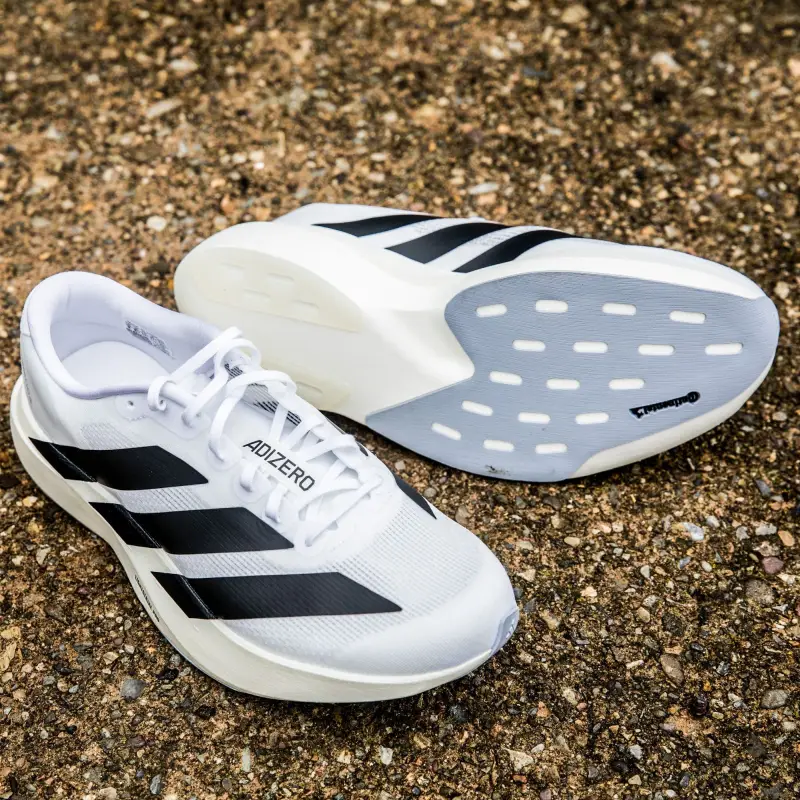
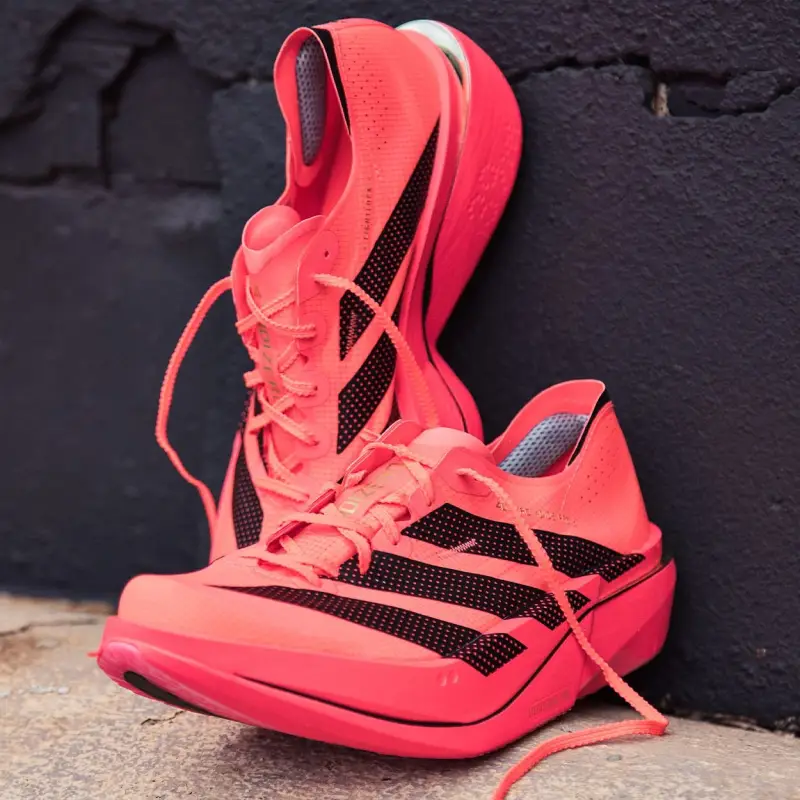
- Speedwork: Adidas Adizero Evo SL
- Running and walking: On Cloudmonster 3
- Stability features: Saucony Guide 19
- Soft cushioning for longer runs: Saucony Triumph 24
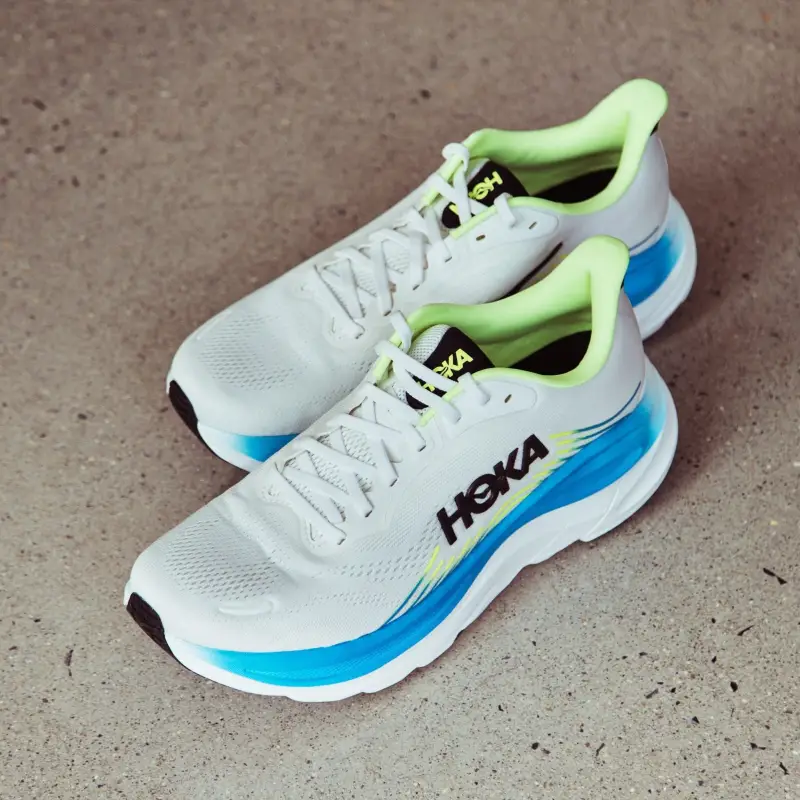
- Roomier fit: Hoka Clifton 11
- Road racing: Adidas Adizero Adios Pro 5
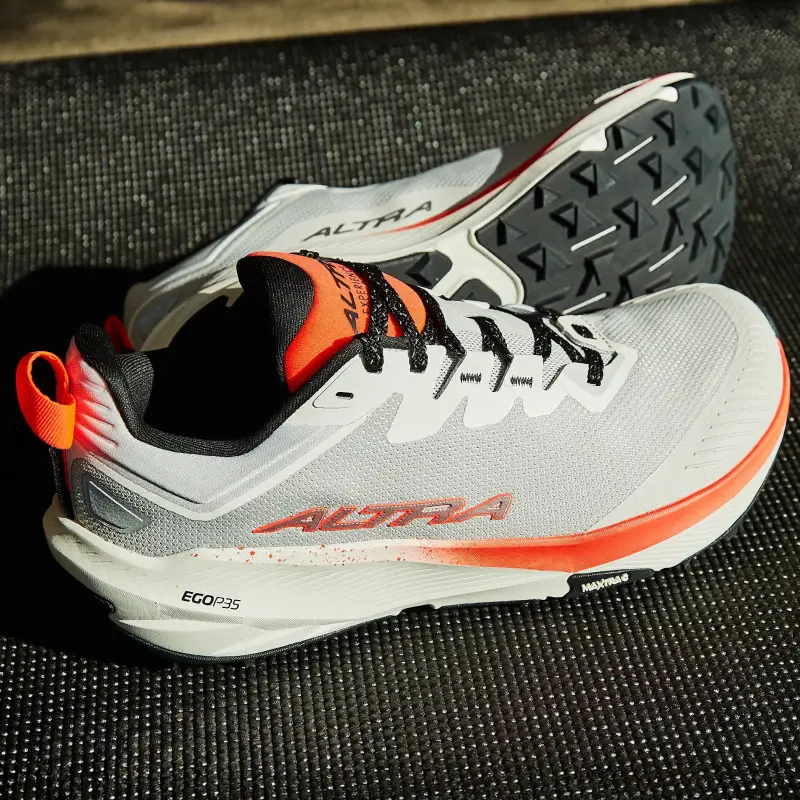
- Trail running: Altra Experience Wild 3
Everyday training and comfort
Nike Pegasus 42: a versatile road trainer
The Pegasus 42 adds a full-length Air Zoom unit intended to give the ride more rebound than its predecessor. Testers described it as smoother and more responsive, with a slight rocker that helps the foot move from heel to forefoot. One tester called it a stable everyday shoe with a feel that struck a middle ground between firm and soft.

Nike also adjusted the shape to make more room for wider feet. The shoe’s listed specifications are 10.6 ounces, a 10-millimeter drop, and stack heights of 37 millimeters at the heel and 27 millimeters at the forefoot. The main drawback noted by reviewers is a thick upper. At $145, it is positioned as a do-many-things daily trainer rather than a specialist shoe.
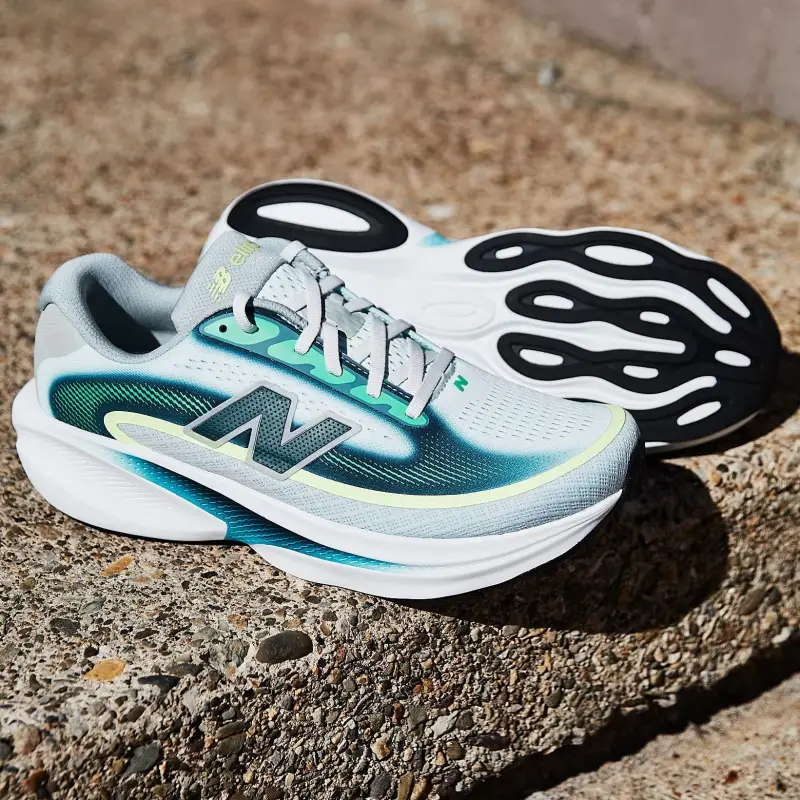
New Balance Ellipse: cushioned value for relaxed runs
The Ellipse pairs a plush, springy ride with a price of $145. New Balance reworked its Fresh Foam X midsole geometry to make the foam feel livelier. A tester described its cushioning as balanced: neither overly soft nor harsh, with a bounce that held up through most of a run.
That comfort comes with a bulkier feel. At 9.6 ounces, it’s heavier than a speed-focused trainer, and the reviewers don’t recommend it for fast workouts. The shoe has an 8-millimeter drop, with 38 millimeters of heel stack and 30 millimeters at the forefoot. It is available in multiple widths, which may help shoppers who have trouble finding an accommodating fit.
Brooks Ghost 18: a dependable option for easy miles
The Ghost 18 is designed as a neutral daily trainer, with supportive foam and a comfortable fit that testers found well suited to easier runs. Its cushioning is especially noticeable in the heel. One tester appreciated that support on a downhill near the end of a longer outing, while also saying the shoe lacked a lively “pop” when the pace increased.

The toe area felt slightly narrow to some testers, though the model is sold in narrow, wide and extra-wide versions. The shoe weighs 10.2 ounces and has a 10-millimeter drop, with stack heights of 36 millimeters at the heel and 26 millimeters at the forefoot. Testers’ feedback was mixed across genders: some women reported hot spots under the big toe, while men on the panel generally liked the ride and fit. As with any shoe, individual fit matters more than the category label.

On Cloudmonster 3: for switching between running and walking
The Cloudmonster 3 is built to handle a broad range of paces, from walking to faster running. Its Helion cushioning feels firm yet comfortable, and testers found the platform responsive. On combines three layers of CloudTec cushioning with a Speedboard, while the shoe’s rocker shape is intended to help smooth the push-off.

One tester praised the balance of soft forefoot cushioning and a clear sense of the ground, along with cushioning that felt comfortable while walking. The listed men’s weight is 10.4 ounces, with a 6-millimeter drop and stack heights of 35 millimeters at the heel and 29 millimeters at the forefoot. A potentially less comfortable heel collar was the main concern. The listed price is $190.

Faster running, extra support and cushioning
Adidas Adizero Evo SL: speedwork without a racing plate
The Adizero Evo SL is a lightweight road trainer for runners who want to include faster efforts in their training. Its Lightstrike Pro foam is also used in Adidas’s Adios Pro 4 racing shoe. The Evo SL leaves out that model’s carbon-fiber plate and uses a nylon shank instead, offering a less specialized construction at a listed $150 price.
At 7.9 ounces, with a 7-millimeter drop and stack heights of 39 millimeters at the heel and 32 millimeters at the forefoot, it combines cushioning with a responsive feel at quicker paces. Testers liked its versatility and shock absorption. Some found the midfoot fit loose, and the tongue could shift while running; a few also found the fit narrow. These are practical fit details to check in person when possible, particularly if a secure midfoot is a priority.
Saucony Guide 19: stability support with a cushioned feel
The Guide 19 uses Saucony’s CenterPath design, which combines a broader base and higher sidewalls to cradle the foot. The aim is to offer guidance without making the shoe feel restrictive. Testers with wider feet appreciated the room through the midfoot, and the shoe is available in multiple widths.
Its PWRRUN foam provides substantial cushioning, while a rocker profile is intended to help the foot roll forward. Reviewers considered it suitable for longer outings and easier recovery days. The Guide 19 weighs 9.7 ounces, has a 6-millimeter drop and measures 35 millimeters at the heel and 29 millimeters at the forefoot. The toe area may run long, so a try-on can help confirm that the length feels secure.

Stability shoes can feel helpful to some runners, but the right choice depends on comfort and individual needs. A shoe’s support features alone can’t diagnose a gait issue or establish what will prevent injury.
Saucony Triumph 24: soft cushioning for longer, relaxed runs
The Triumph 24 combines a high stack of cushioning with a reported weight of 8.8 ounces in a men’s size 9. Its IncrediLux foam is intended to feel soft while remaining supportive, and testers liked the roomy fit and comfortable upper. One runner especially valued it for easy outings where comfort mattered more than pace.

The model has a 10-millimeter drop, with 43 millimeters of cushioning at the heel and 33 millimeters at the forefoot. Testers also described a responsive rebound that made it comfortable when a relaxed run gradually picked up. The main reservation is that some runners may want a more pronounced rocker. The listed price is $170.

Hoka Clifton 11: an accommodating fit and smooth transitions
The Clifton 11 is a neutral road shoe with a soft, supportive midsole and rocker geometry designed to ease the transition from heel to toe. Its compression-molded EVA foam offers cushioning for daily miles and longer runs, although reviewers found it less springy than some trainers using newer foam types.

The shoe weighs 10 ounces and has an 8-millimeter drop, with stack heights of 42 millimeters at the heel and 34 millimeters at the forefoot. Testers highlighted its comfortable upper, roomy midfoot and secure heel, making it a candidate for runners seeking a more accommodating fit. It can also suit run/walking. The listed price is $155.

Race day and the trail
Adidas Adizero Adios Pro 5: a carbon-plated road racer
The Adios Pro 5 is a purpose-built road racing shoe featuring updated Lightstrike Pro foam and a carbon rim in the midsole. Adidas says the rim reduces weight by 12.5 percent compared with the previous rod design. Testers described the ride as snappy and energetic, with a firmer feel than the prior version that still offered ample cushioning.

The shoe weighs 6.1 ounces and has a 4-millimeter drop, with 39 millimeters of stack at the heel and 35 millimeters at the forefoot. The listed price is $275. Its narrow arch may cause rubbing for runners with wider feet, and the carbon rim may be uncomfortable for people whose legs or ankles brush against each other while running. Race shoes are highly individual: trying them on and running in them before a key event can help reveal whether the fit and feel work for you.

Altra Experience Wild 3: grip and room for trail running
The Experience Wild 3 is a neutral trail shoe with cushioning designed to soften firm ground while preserving some feel for the terrain. Its 3.5-millimeter lugs are intended to grip loose surfaces, and testers found the redesigned upper more secure than the previous version while still allowing room in the midfoot and toe box.

The shoe has a 4-millimeter drop, a middle ground for runners who want a lower-drop design without moving to zero drop. It weighs 11.1 ounces, with stack heights of 32 millimeters at the heel and 28 millimeters at the forefoot. The upper includes a protective toe sweep and attachments for a gaiter. Testers found the MaxTrac outsole grippy, though it may not match the traction of Vibram Megagrip; the laces also tended to bunch. A version with a Vibram Megagrip outsole is available. The listed price is $150.
Fit and shoe features to weigh
Comfort is the starting point. A shoe that rubs, slips or squeezes can distract from a run, regardless of its cushioning or speed claims. A commonly used fitting guide is to leave about a thumbnail’s width between the longest toe and the front of the shoe, allowing some room as feet expand during activity. Some runners need a half size larger than their everyday shoes, but sizing varies by brand and model.
Pay attention to heel movement, pressure across the top of the foot and toe space. Heel-lock lacing can help some runners get a snugger hold around the collar. Pressure over the instep may signal that a different shape or width feels better. An in-person fitting can be useful when sizing is uncertain or a shoe repeatedly causes discomfort.
Pronation—the natural inward movement of the foot as it lands—is common. If you have concerns about your gait or recurring discomfort, a podiatrist or physical therapist can assess your needs. Some stability shoes use guide rails or other subtle features to help guide motion, while more pronounced support needs may call for professional advice about footwear or insoles.

Think, too, about the runs you do most often. A cushioned daily trainer can suit easy miles, while a lighter, more responsive shoe may feel preferable for quicker sessions. Max-cushioned models are often chosen for long or relaxed runs. No single design is right for every runner, and a shoe’s category does not guarantee a particular comfort or performance result.
What to know about racing shoes and performance claims
Top-end racing shoes often cost more than $200 because they use premium foams and carbon-fiber components. Super foams and plates can change how a shoe feels and may improve running economy for some runners. That does not mean every person will become faster by the same amount, or experience a measurable benefit.

A carbon plate works with the midsole foam as part of the shoe’s structure; it is not, by itself, a source of propulsion. A responsive foam can make a shoe feel lively, but training, fitness and individual response shape performance too. Racing models may also wear differently depending on how often they’re used and how a runner’s stride loads the shoe.
Runners who want a faster training shoe without a carbon plate have other options, including the Adidas Adizero Evo SL and Saucony Endorphin Speed 6. The useful question is how a shoe fits and feels during the sessions it’s meant for. For a first pair or a change in running needs, a specialty shoe fitter or clinician can help clarify fit or gait questions; a running shoe should be chosen for comfort and intended use, not treated as a guarantee against injury or a shortcut to faster times.


