- Subject
- Nutrition
- Filed
- Source
- William Rodriguez
- Loans
- 487
10 Trail Running Shoes for Gravel, Technical Trails, Ultras, and More
Compare 10 trail shoes by terrain, fit, grip, cushioning, and price, with practical notes on where each model performs best.

Trail shoes work best when their grip, cushioning, and fit match the ground you actually run on. A shoe that feels surefooted on wet rocks may feel cumbersome on gravel; a plush model that suits long, runnable miles may feel unstable on steep scrambles. These 10 picks cover that range, from road-to-trail routes to muddy singletrack and mountain distances.
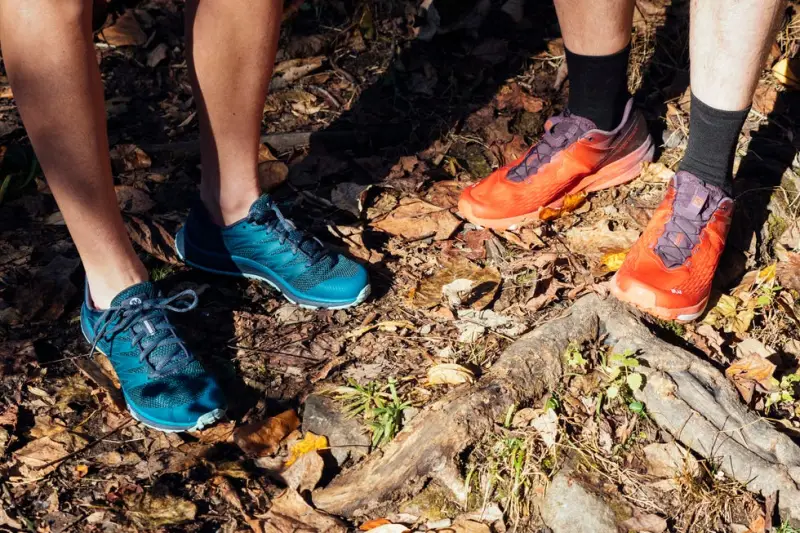
The recommendations draw on staff and wear testers who ran in shoes over the surfaces each model is designed for. Their assessments considered fit, traction, comfort, responsiveness, weather adaptability, and temperature regulation. The results are practical comparisons based on running experience, rather than a claim that one shoe will suit every runner or route.
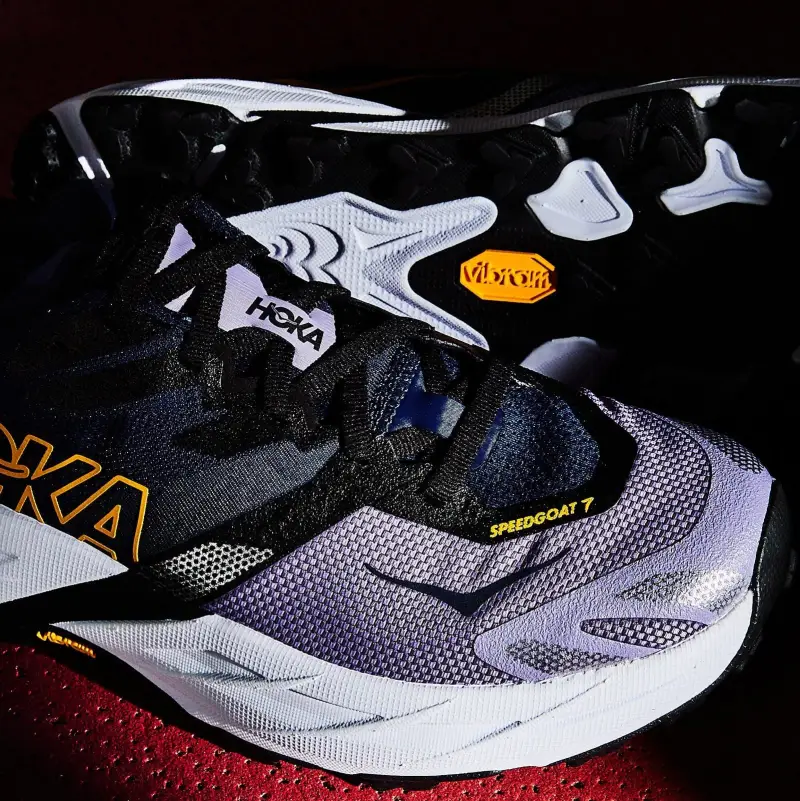
At a glance
- Best overall: Hoka Speedgoat 7, for cushioned, secure running on dusty and sandy trails.
- Best value: Salomon Pulsar Trail, a versatile option for mild trails and road-to-trail runs.
- Best for technical trails: Saucony Peregrine 16, with a rock plate and strong grip on rough ground.
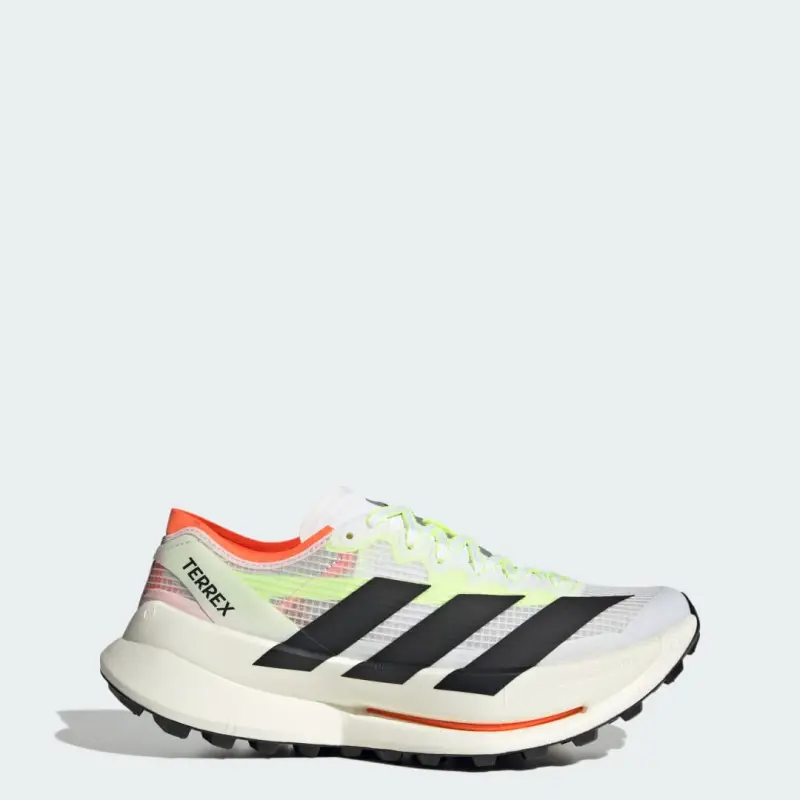
- Best for speedwork: Adidas Terrex Agravic Speed Ultra 2, built for fast, long efforts on runnable terrain.
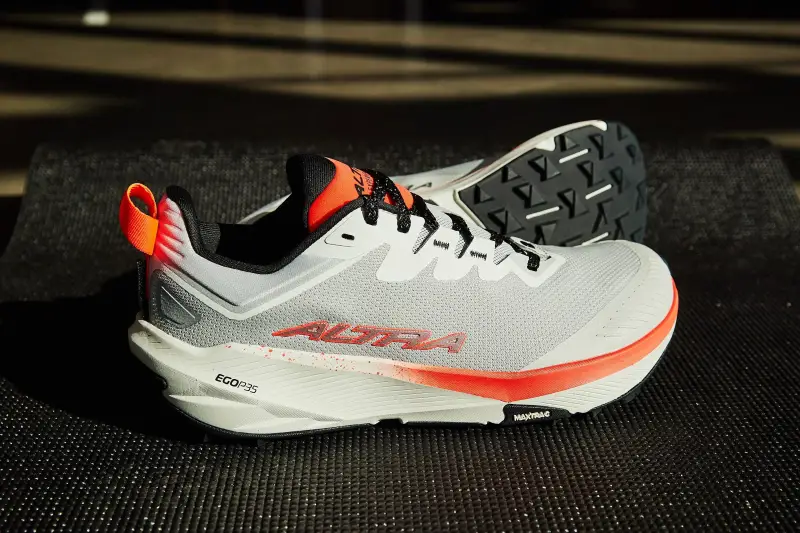
- Best for mixed surfaces: Altra Experience Wild 3, designed to move between pavement, gravel, and light trails.
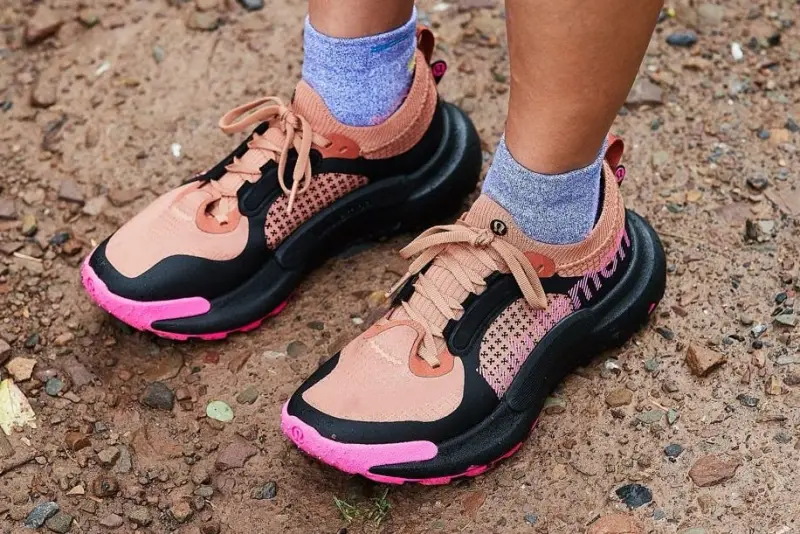
- Best for singletrack: Lululemon Wildfeel, for flowing trails and groomed paths.
- Best for mud: Nike ACG Zegama Trail, with a lug pattern designed to grip soft, slippery ground.
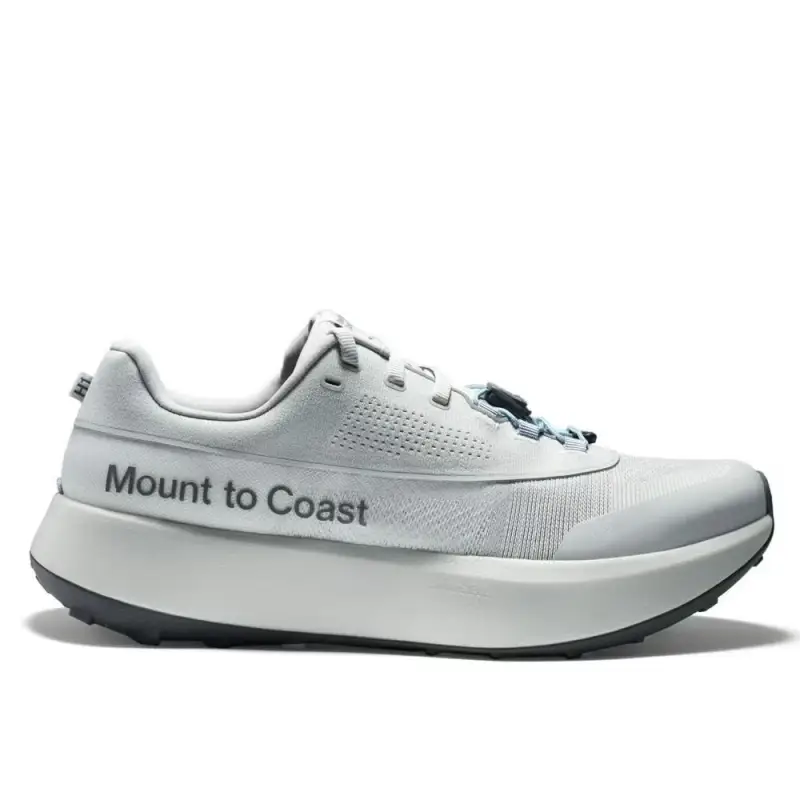
- Best for gravel: Mount To Coast H1, a light option with shallow lugs for packed paths.
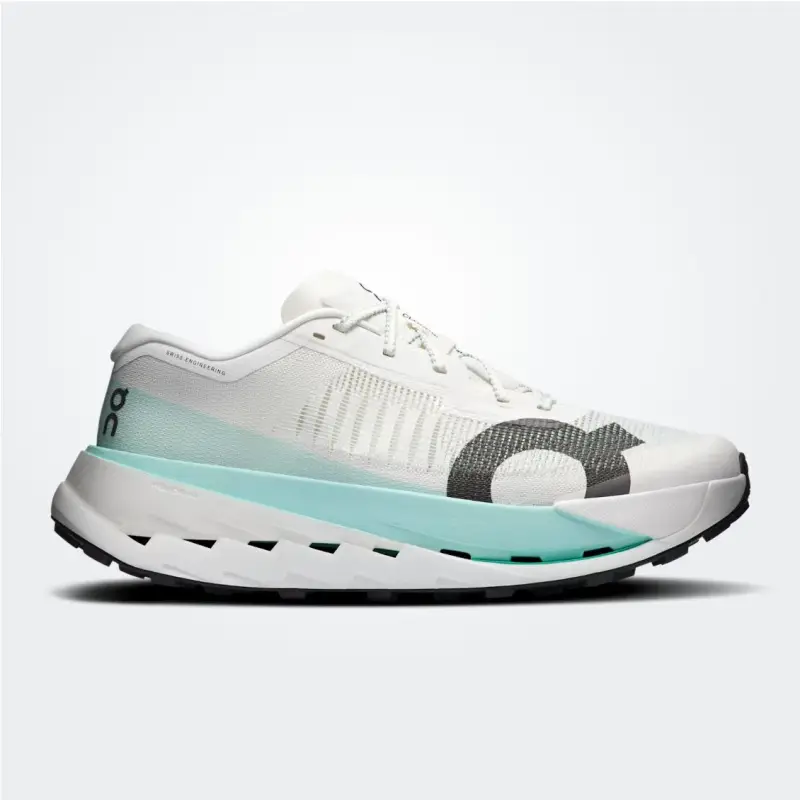
- Best for trail ultras: On Cloudultra Pro, with substantial cushioning for long days on varied terrain.
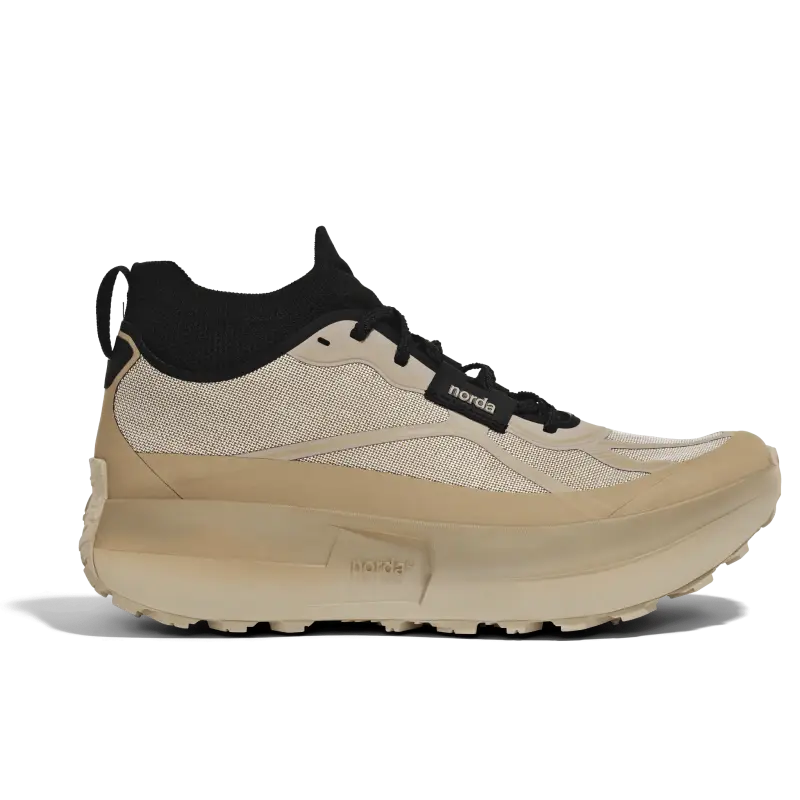
- Best for mountain running: Norda 055, a cushioned and protective shoe for demanding routes.
What the testing covered
Trail conditions vary with terrain and weather. Testing therefore focused on how each shoe handled its intended use, including singletrack, gravel, technical trails, and mixed routes. The assessment considered the feel of the fit, how well the outsole held its footing, comfort over distance, responsiveness, and how the upper managed heat and changing conditions.

Those details matter because a shoe’s features involve tradeoffs. Deeper lugs can help on soft or uneven ground but may feel less natural on pavement. A higher stack can add cushioning for long runs, while a lower platform may make it easier to feel and adjust to the ground. Fit is personal, too: a snug heel can feel secure to one runner and too narrow to another.

Hoka Speedgoat 7: best overall
The Speedgoat 7 is a well-rounded choice for runners who want cushioning and dependable grip on sandy, dusty, or muddy routes. The updated upper and midsole address fit and feel complaints associated with earlier models, and testers found the shoe more secure and comfortable for distance running.
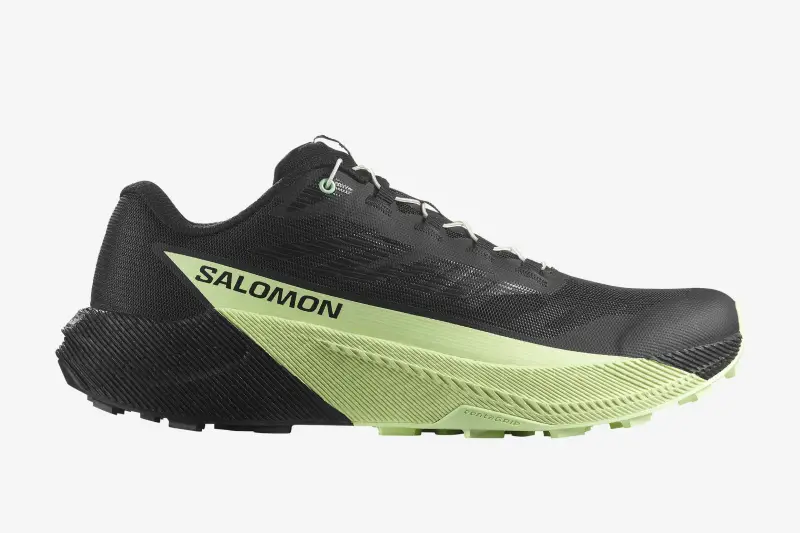
It has a 36-millimeter stack height, a 5-millimeter drop, and supercritical EVA foam. The foam feels softer than the previous version described in the review, while still offering a responsive ride. A winged heel counter and jacquard mesh upper help hold the foot in place. A gaiter attachment can help keep debris out.
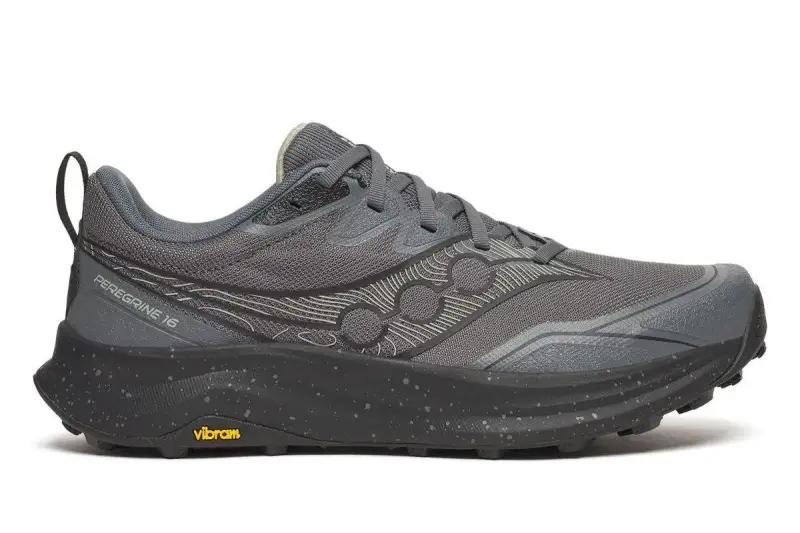
The Vibram Megagrip outsole uses 5-millimeter lugs with deeper cuts and wider spacing. That layout is intended to shed loose grit and maintain traction on hardpack and mild roots. The shoe has no rock plate, which helps keep the construction lighter but offers less underfoot shielding from sharp stones than a plated design.
One tester found the shoe ran a little small and suggested that some runners, especially those planning long distances, may want to consider the fit carefully. Another praised the lug placement on snow-covered, groomed trails and the grip under the toes when pushing off. The main caveat is temperature: some runners may find the shoe too warm or too cool for their conditions.
Key specs: 9.6 ounces for men’s and 8.5 ounces for women’s; 5-millimeter lugs; 5-millimeter drop; 36-millimeter stack. Best suited to sandy, dusty, and muddy ground. Listed price: $165.
Salomon Pulsar Trail: best value
At a listed $140, the Pulsar Trail is aimed at runners moving from roads to gentler trails, or those who want one shoe for a mix of easier surfaces. Testers described it as comfortable, stable, and nimble, with enough cushioning for everyday running without an overly soft feel.

The shoe has a 29-millimeter heel stack, a 6-millimeter drop, and TPU-based optiFoam² cushioning. A TPU Energy Blade insert adds structure and a responsive sensation. The SensiFit upper and Quicklace system hold the foot from heel to toe, while the mesh is designed to let heat escape.
Its 4-millimeter lugs provide grip on dry dirt, gravel, and roots. The outsole can manage some mud, but testers found it less reliable on wet rocks. There is no rock plate, so the shoe is better suited to less technical outings than routes strewn with sharp stones.
One tester said it took a run or two to break in, after which it felt more flexible. She liked being able to sense the ground while still feeling comfortable. The snug fit and smooth transitions onto pavement make it a useful option for road-to-trail runners. Uphill climbs and sandy or dusty tracks are weaker use cases.
Key specs: 9.8 ounces for men’s and 8.5 ounces for women’s; 4-millimeter lugs; 6-millimeter drop; 29-millimeter stack. Best suited to singletrack and rail trails. Listed price: $140.

Saucony Peregrine 16: best for technical trails
The Peregrine 16 is the pick for runners who regularly encounter rocks, roots, mud, and steep sections. Its protective construction and Vibram Megagrip outsole are designed to handle rougher ground, and testers praised its traction, comfort over distance, and ability on hills.

The shoe has a 32-millimeter stack, a 4-millimeter drop, and more PWRRUN foam than its predecessor. A PWRRUN+ sockliner adds cushioning. A rock plate sits beneath the foot to help shield it from sharp impacts, while the mesh upper includes extra toe and underfoot protection. The heel and midfoot fit closely; the forefoot leaves more room for the toes.

Four-millimeter lugs grip wet rock, loose dirt, snow, and roots. Testers found the traction improved even though the lugs are shallower than on some earlier versions. The shoe is protective without feeling rigid, although the forefoot may feel stiff at first. One tester said it became more comfortable as it adapted to her foot.

Fit deserves attention: some runners may find the heel narrow, and the breathable mesh can let dust in. A tester praised the shoe’s cushioning and grip, and said the plate helped protect her feet on sharp rocks. For runners who spend most of their time on smooth dirt or pavement, the extra protection may be more than they need.

Key specs: 9.5 ounces for men’s and 8.4 ounces for women’s; 4-millimeter lugs; 4-millimeter drop; 32-millimeter stack. Best suited to technical terrain. Listed price: $150.

Adidas Terrex Agravic Speed Ultra 2: best for speedwork
The Agravic Speed Ultra 2 pairs a high-cushion platform with energy rods and a Lightstrike Pro midsole. Testers found it fast and lively on long, runnable stretches, including rocky routes where cushioning can help reduce the sense of repeated impact. Its strengths are speed and distance; it is less suited to hands-on scrambling.

The shoe has a 44-millimeter stack and an 8-millimeter drop. Its energy rods add structure and protection, while the foam gives the ride a springy feel. The collar is soft and works with gaiters. The upper wraps closely around the foot after it breaks in, though some testers found the fit narrow. Breathability was adequate but not especially airy.

On steep, technical ground where runners place a foot on a narrow edge, the height and softness can make the shoe feel less stable. For long runs on gravel, fire roads, grass, mud, and runnable singletrack, those features may feel more useful than they do on a scramble. It is also somewhat heavier than some options because of its rods and materials.

Key specs: 9.48 ounces for men’s and 7.95 ounces for women’s; 3-to-4-millimeter lugs; 8-millimeter drop; 44-millimeter stack. Listed price: $225.

Altra Experience Wild 3: best for mixed surfaces
The Experience Wild 3 is built for routes that alternate between pavement, packed gravel, and light dirt. It has a roomy toe box and a 4-millimeter drop, which may appeal to runners who prefer space for toe movement and a lower heel-to-toe difference. Its design aims to make transitions between road and trail feel smooth.

A 32-millimeter stack and EGO P35 foam provide cushioning with a responsive feel. A subtle rocker helps the foot roll from pavement to gravel. The engineered mesh upper includes durable overlays and gaiter attachments intended to help limit debris. The MaxTrac outsole has 3.5-millimeter lugs, suited to hardpack, dry gravel, and light mud. It has no rock plate, so it prioritizes a nimble ride over added protection from sharp terrain.

One tester liked how easily the shoe slipped on and laced up. He found the forefoot roomy while the midfoot and heel stayed secure during turns and hills. Other runners may find the overall fit too wide, and some have reported heel slip. Trying the fit in person can help clarify whether the shape works for you.

This model may suit daily training and mixed-surface runs; the review specifically describes use on runs of 10 to 20 miles. It is less appropriate for steep technical terrain or deep mud, where its lighter protection and moderate lugs may be limiting.

Key specs: 11.4 ounces for men’s and 9.9 ounces for women’s; 3.5-millimeter lugs; 4-millimeter drop; 32-millimeter stack. Listed price: $150.

Lululemon Wildfeel: best for singletrack
The Wildfeel targets flowing singletrack and groomed rail trails. Its combination of cushioning, grip, and a close-fitting upper is intended to feel surefooted on changing but not highly technical ground. Testers liked how it handled inclines and declines, though the upper’s limited breathability may matter in warm weather.

The midsole pairs two densities of supercritical foam: a softer heel for impact absorption and a firmer forefoot for push-off. The stack height is 29 millimeters with a 7.5-millimeter drop. A sock-like upper lined with Nulu and made from Lycra-nylon hugs the ankle, helping limit debris. The tradeoff is that it can feel less ventilated.
Four-millimeter multidirectional lugs grip dry dirt, roots, and hardpack. The shoe can handle light mud and uneven sections, but it is not the choice for deep slop or very technical, steep trails. One tester said he felt confident on both descents and climbs and looked forward to running in it.
Key specs: 11.6 ounces for men’s and 10 ounces for women’s; 4-millimeter lugs; 7.5-millimeter drop; 29-millimeter stack. Best suited to singletrack. The review does not list a price.
Nike ACG Zegama Trail: best for mud
The Zegama Trail is designed for slippery, soft ground, including muddy singletrack, wet rock, and grassy hills. Testers highlighted its grip and breathable upper. Its revised shape cups the outer edge of the foot, giving the platform a more supportive feel than earlier versions described in the review.
The outsole combines Vibram rubber with 4-millimeter, opposing checkmark-shaped lugs. The pattern is designed to grip packed dirt, wet rock, and muddy trails while shedding debris. The shoe has a 37-millimeter stack and a 4-millimeter drop. A loop at the heel makes it easier to pull on, and the upper is breathable without feeling drafty.
The main drawback is a split in the lug pattern near the heel that one reviewer noticed on steep descents. The shoe is also somewhat heavier than earlier versions, although the reviewer did not find the weight noticeable while running. A tester called it a comfortable, dependable trail shoe.
Key specs: 11.9 ounces for men’s and 9.6 ounces for women’s; 4-millimeter lugs; 4-millimeter drop; 37-millimeter stack. Best suited to mud, singletrack, fire roads, and grassy hills. Listed price: $180.
Mount To Coast H1: best for gravel
The H1 is a gravel specialist for packed paths and fast fire roads. Its shallow, tightly arranged lugs are meant to grip loose stones without the bulk or deeper tread of a shoe designed for rocky, technical routes. The low profile also keeps the ride close to the ground.
It has a 28-millimeter heel stack, a 6-millimeter drop, and CircleCell foam described as firm and responsive. The wide toe box gives toes room to spread. A lightweight mesh upper with minimal overlays helps keep the shoe breathable and limits dust. Its 2-millimeter lugs are designed to hold on small gravel and release dirt quickly.
The listed weight is 8.4 ounces for men’s and 8.2 ounces for women’s, though the review text also describes the shoe as weighing 7.5 ounces. Testers praised the fit and comfort; one said the width offered ample room without feeling sloppy. Some runners may find the heel too roomy. The H1’s shallow lugs and limited protection make it a less obvious choice for deep mud or rocky singletrack.
Key specs: 8.4 ounces for men’s and 8.2 ounces for women’s; 2-millimeter lugs; 6-millimeter drop; 28-millimeter stack. Best suited to gravel. Listed price: $160.
On Cloudultra Pro: best for trail ultras
The Cloudultra Pro is designed for long efforts on technical and mixed terrain, where cushioning and comfort over many hours are priorities. The review describes use in training for distances up to 100 miles and an eight-hour run without hot spots. Those are individual experiences, but they help illustrate the shoe’s intended strengths.
Its 39-millimeter stack and 6-millimeter drop pair CloudTec Phase midsole pods with Helion HF Hyperfoam. The pods compress on landing and are intended to help move the runner forward. A Speedboard structure adds rigidity and energy return. The upper includes reinforced lacing and gaiter integration to help keep debris out.
The Missiongrip outsole has 3.5-millimeter lugs arranged in clusters. The shoe is designed for technical and mixed terrain, including wet surfaces and mud. Testers praised its breathability and comfort, but found it less suitable for especially dusty or sandy trails. At $260, it is the most expensive option in this group aside from the Norda.
Key specs: 9.2 ounces for men’s and 7.8 ounces for women’s; 3.5-millimeter lugs; 6-millimeter drop; 39-millimeter stack. Listed price: $260.
Norda 055: best for mountain running
The Norda 055 is a high-cushion shoe for mountain routes, technical trails, and long distances. It pairs a 36-millimeter heel stack with a 30-millimeter forefoot stack, giving runners more cushioning on descents while retaining a design meant for uneven terrain. The review describes it as both nimble and protective over mountain ground.
The upper uses bio-circular Dyneema, a strong, lightweight fiber, and a knit collar intended to keep trail grit out. Four-millimeter lugs provide grip, and the shoe has a 6-millimeter drop. A tester noted that the shoe felt better with more miles, even though it did not require a break-in period. The review also describes it handling water and mud.
The listed price is $325, making it the most expensive shoe on this list. The reviewer considers it a long-distance option, but the price and fit deserve consideration: the review warns that Norda shoes may run about half a size small. Runners should check sizing and fit for themselves before settling on a pair.
Key specs: 10.1 ounces for men’s size 8.5 and 9.8 ounces for women’s size 8; 4-millimeter lugs; 6-millimeter drop; 36-millimeter heel stack. Best suited to technical trails and mountain running. Listed price: $325.
How to match a shoe to the route
Trail shoes are built around four main components: the upper, midsole, outsole, and, in some models, a rock plate. Together they affect how well a shoe fits, cushions the foot, grips the ground, and shields against trail debris.
- Upper: The fabric shell covers the foot. Mesh can help heat escape; overlays around the toes and heel can add durability and protection. A close-fitting collar or gaiter attachment may help keep grit out.
- Midsole: Foam cushions the foot and shapes how the shoe responds to uneven ground. Materials vary, and a softer or thicker midsole will feel different from a firmer, lower one.
- Outsole: Rubber and the shape of its lugs determine how the shoe meets the ground. Deeper or more widely spaced lugs are often used for softer terrain; shallower patterns suit packed paths and gravel.
- Rock plate: A thin layer between the midsole and outsole can help protect against sharp stones and roots. It may add structure, but not every runner or shoe needs one.
Terrain-specific designs offer a useful starting point. Gravel shoes generally use lugs under 3 millimeters and lighter uppers for packed paths and fire roads. Road-to-trail shoes balance small lugs underfoot with more grip around the edges for routes that move between pavement and dirt. Technical-trail models commonly use lugs of 4 millimeters or more and more protective construction for rocky, root-filled ground.
Singletrack and rail-trail shoes tend to balance grip and cushioning, while mixed-surface shoes aim to handle pavement, gravel, and light trails. Sandy routes may call for lugs spaced to shed loose material and an upper that limits sand entry. These categories overlap: the right choice depends on the surface you encounter most and the fit that feels stable on your foot.
Drop, stack height, and weather
Drop is the height difference between the heel and forefoot. A lower drop can change how a shoe feels through the stride; the source describes drops from zero to 15 millimeters. It also notes that runners may need time to adapt to a low-drop shoe. A higher drop may feel more familiar to some runners, but these measurements alone cannot predict comfort or suitability.
Stack height describes the amount of material beneath the foot. The source gives a typical range of 20 to 35 millimeters at the heel, with less beneath the forefoot. A higher stack can provide more cushioning; a lower one can give a closer feel for the ground. The listed models show that shoes designed for long distances may exceed that range.
Some uppers use waterproof membranes, such as Gore-Tex, to reduce water and wind entry while allowing some sweat vapor to escape. Such materials may be useful in rain, snow, or mud, but waterproofing can change how a shoe feels in warmer conditions. The models reviewed here do not all have waterproof uppers, so check the individual shoe’s construction when weather protection matters to you.
Cleaning after a run
Removing mud after a run can help keep it from drying in the lugs. Rinse off loose dirt, then use a soft brush and mild soap for the outsole and upper. Stuffing the shoes with paper can help absorb moisture as they dry. The source advises against machine washing because it can damage glue and mesh. If mud has already dried, knocking it loose before brushing may help.
The best choice is the one whose fit and grip make sense for your usual routes. Consider where you run most, how much cushioning you prefer, and whether you need extra protection from rocks or debris. A shoe that feels right on the surface you encounter most often is a more useful starting point than a label such as “best overall.”


