- Subject
- Nutrition
- Filed
- Source
- Joseph Smith
- Loans
- 746
Choosing a Nike Running Shoe for Daily Miles, Long Runs and Race Day
Compare Nike shoes for daily running, distance training, mixed terrain, racing and recovery, with fit considerations for choosing a pair.
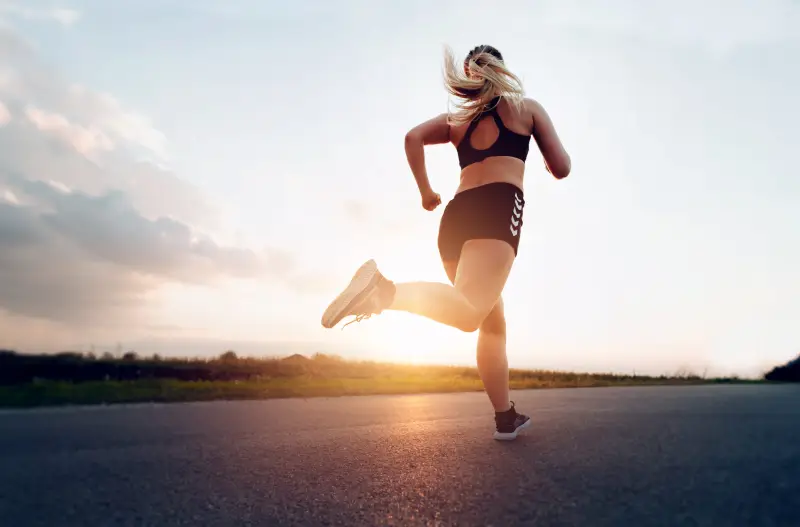
The right running shoe depends on what you ask it to do. A dependable daily trainer, a cushioned shoe for long mileage and a lightweight race-day model solve different problems; gym workouts and wet trails add their own demands. Nike’s lineup includes options across these uses, but comfort and fit still depend on the individual runner.

Here’s how the featured models differ, and what to consider when matching a shoe to a routine. Product features and performance claims described below come from the manufacturer’s specifications; they don’t establish that one model will work best for every runner.
For everyday road running: Pegasus Plus 2
The Pegasus line has been a Nike daily-running option for more than four decades. The Pegasus Plus 2 is presented as an all-purpose choice for regular road miles, including easier outings. Its midsole pairs lightweight ZoomX foam in the heel with an exposed Air Zoom unit in the forefoot, combining cushioning with a responsive feel.
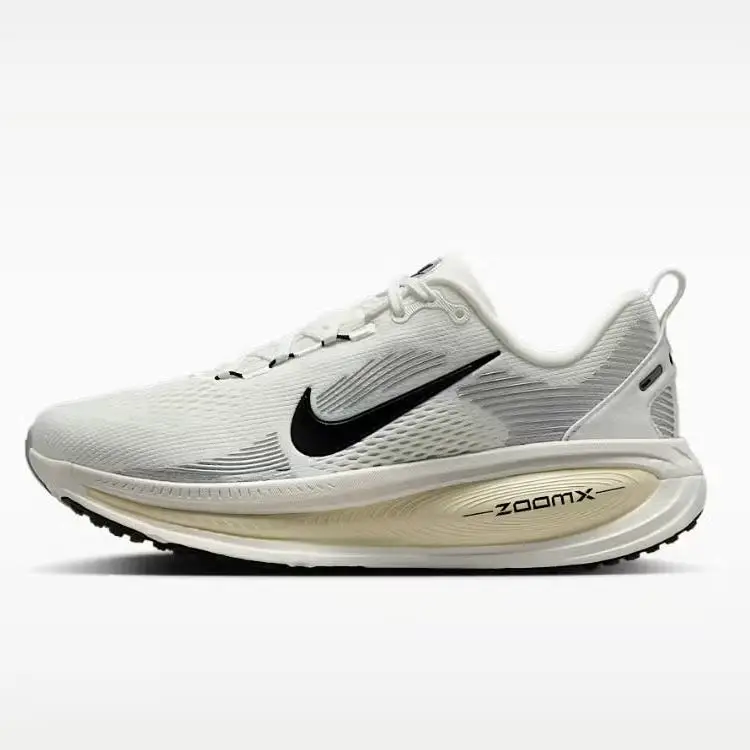
The upper uses mesh intended to provide support and flexibility while allowing airflow. A reshaped forefoot gives the toes more space, and the outsole’s diagonal Waffle pattern and flex grooves are designed to provide traction and a closer sense of the ground. Textured laces are also intended to stay tied more reliably. These details may appeal to runners who want one shoe for routine runs and a range of comfortable paces.
For recovery runs, the Pegasus Plus 2 is described as responsive and comfortable without an especially high, stacked feel. That makes it a possible fit for runners who prefer a more conventional ride on easy days. A shoe’s advertised cushioning or traction, however, can feel different from one person to another, so the fit and on-foot feel matter more than the feature list alone.

For long runs: Vomero 18
Long-distance training can mean many miles on tired legs, so cushioning and a smooth transition through each step may be priorities. Nike’s Vomero 18 combines ZoomX foam over ReactX foam in the midsole. Nike reports that the ReactX technology is 13 percent more responsive than its previous React technology, based on the company’s own measurement. That figure describes a manufacturer comparison; it doesn’t tell runners how the shoe will feel over their own training distances.
The model also has a more pronounced rocker shape and outsole pods positioned to support push-off and a smoother heel-to-toe transition. A breathable engineered-mesh upper, padded tongue and soft lining are intended to keep the fit comfortable. Runners who like more cushioning for extended road sessions may want to compare it with less cushioned options and see how stable it feels at their usual pace.

The Vomero 18 is also offered through Nike By You, which lets customers choose details such as colors and accents and add text in specified areas. Personalization changes the appearance; it doesn’t change the need to check fit and comfort.
For running and gym sessions: Free Metcon 7
Runners who also lift weights or take cardio and conditioning classes may want a shoe that can handle movement in several directions. The Free Metcon 7 is a cross-training model designed for gym work, with cushioning that can also support treadmill sessions.

Its midsole uses softer foam through the forefoot and firmer foam in the heel, a combination intended to balance flexibility with stability. A full-length rubber outsole is designed to grip surfaces such as turf, concrete and gym flooring. Webbed lacing and a midfoot containment system aim to hold the foot in place during lateral or multidirectional movements.
This category can be useful for mixed workout schedules, though a cross-training shoe isn’t automatically the best choice for every outdoor run. Runners who cover substantial road distance may prefer to compare its feel with a dedicated running shoe, especially if cushioning or a particular fit is a priority.

For roads, trails and wet weather: Vomero 18 GORE-TEX
For routes that move between pavement and trails, or runs in rain and snow, the Vomero 18 GORE-TEX adds a waterproof liner and a Storm-Tread outsole to the cushioned platform used in the standard Vomero 18. The upper is described as protective and soft, with the liner intended to help keep water out while allowing moisture to escape.
The outsole uses a rubber compound and tread pattern designed for grip on wet or slippery ground. Nike describes the shoe as suitable for conditions that may include puddles, loose stones, roots and icy surfaces. Actual traction depends on the surface and conditions, so runners should judge a shoe for the routes they use rather than assume that a waterproof design makes every trail safe.
For race day: Alphafly 4
The Alphafly 4 is a road-racing shoe aimed at runners seeking a lightweight, responsive ride for competition. Nike lists its weight at about 6.6 ounces, compared with 7.1 ounces for the Alphafly 3. It uses an upgraded Air Zoom cushioning unit and a carbon-fiber Flyplate, which are designed to return energy as the runner moves forward.
The platform is slightly wider than the previous version, a change intended to add stability, including on turns. Its Atomknit 2.0 upper aims to secure the foot with little added weight. These are performance features, not a guarantee of a faster time. Race shoes can feel quite different from daily trainers, so runners may want to consider how a model feels during training before relying on it for an event.

For easy runs after a race: Vomero Premium
Post-race recovery runs call for an easy pace and a comfortable ride. The Vomero Premium is built around a ZoomX foam midsole with two Air Zoom units, one at the forefoot and one at the heel. The design aims to combine cushioning and energy return for a smooth-feeling run.
That setup may suit runners who like a more cushioned shoe for easy miles after a marathon or ultradistance event. The source describes it as a model some runners may continue wearing for daily runs after a race. Recovery needs vary, though, and no shoe feature can determine whether someone is ready to run again after a demanding event.
For comfort after a run: ReactX Rejuven8
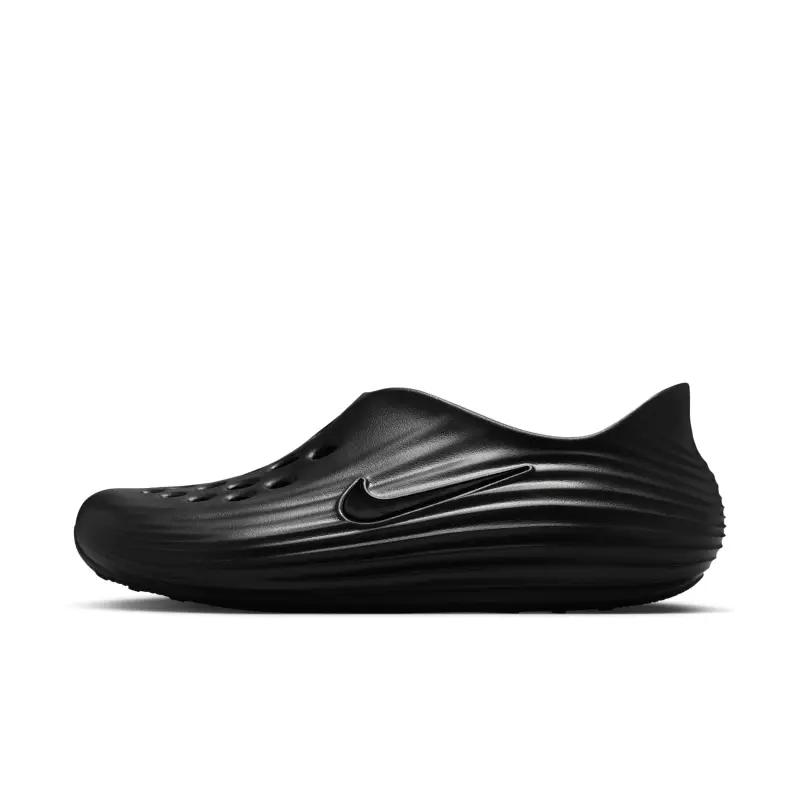
A recovery shoe for walking and downtime serves a different role from a running shoe. The ReactX Rejuven8 uses ReactX material in its upper and midsole for soft, responsive cushioning. Its roomier forefoot gives toes space, while ventilation holes allow airflow. A grippy rubber outsole is designed to make walking feel steady.
It’s intended for post-run comfort rather than training or racing. That distinction helps clarify the choice: a shoe meant for relaxing and walking around may feel pleasant after a run, but its role differs from the support and traction a runner needs during one.
Buying shoes for someone else
Fit varies by model, so the recipient’s current favorite shoe can offer a useful starting point. Check the brand and model, size, width and preferences for cushioning or toe-box room. Running-shoe sizing may differ from dress-shoe sizing, and copying a size across models doesn’t guarantee the same fit.
Return and exchange terms matter when buying footwear as a gift. A gift receipt or an option to exchange the shoes can help if the size or shape isn’t right. When possible, the recipient should try the pair on and walk or jog in it before deciding to keep it.
A specialty running store may offer a chance to compare models and widths. The source’s fit guidance suggests leaving about a thumbnail’s width between the longest toe and the shoe’s front, avoiding pressure at the little toe, and looking for a secure fit without the foot sliding around. Pinching at the sides, bulging over the edge or discomfort around the arch can be signs that a different width or shape may fit better.
The Nike models listed as available in wide widths are Downshifter 14, Pegasus 42, Revolution 8, Structure 26, Vomero Plus and Vomero 18. Availability can vary, so shoppers should confirm the options for the model they’re considering. For persistent foot discomfort or questions about footwear related to a health condition, a clinician or podiatrist can help assess what may be appropriate.


