- Subject
- Nutrition
- Filed
- Source
- Thomas Johnson
- Loans
- 517
Best Treadmills for Home Running and Walking: Features, Fit and Safety
Compare treadmills tested for different spaces and training needs, with practical notes on fit, setup, comfort and safe use.
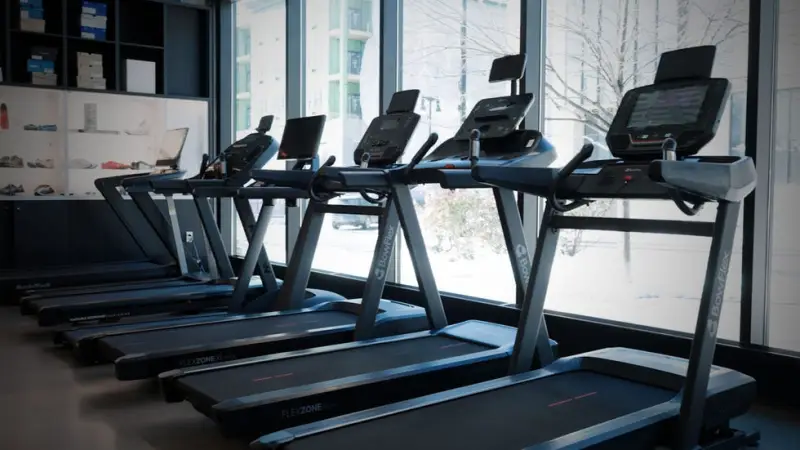
A treadmill’s best feature is the one that helps it fit your routine: a deck long enough for your stride, controls that suit your workouts, or a folding frame that makes room at home. The models below were assessed through hands-on running and walking, with attention to comfort, speed changes, noise, setup and price. Those evaluations can help narrow a choice, but they aren’t clinical evidence that one machine prevents injury or suits every person.
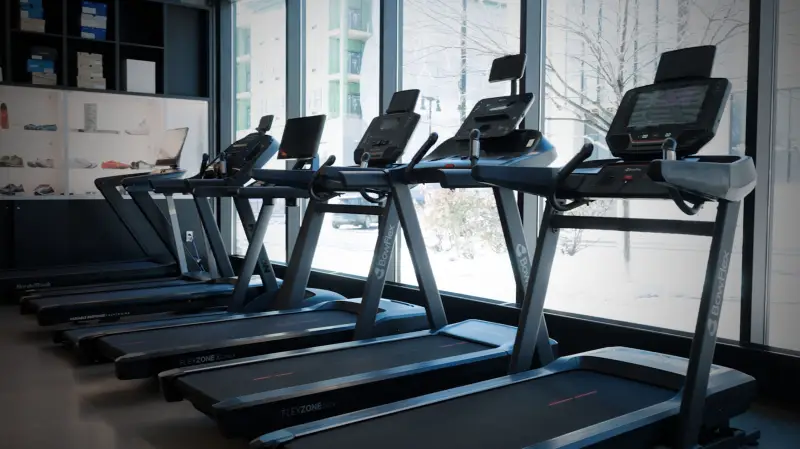
Options range from basic folding treadmills to machines with large touchscreens, coaching tools and streaming services. The NordicTrack Commercial 1750 is the strongest all-around pick in this group. The Horizon T101 costs less and offers straightforward features, while the UREVO CyberMega is built around marathon training. For walking at a desk, a compact pad may be a better match than a full running treadmill.

At a glance
- Best overall: NordicTrack Commercial 1750, with a 22-by-60-inch running surface, a 16-inch screen and adjustable cushioning features.
- Best value: Horizon T101 Connect, a folding model with a 20-by-55-inch deck, a 10 mph top speed and six built-in programs.
- Best for half-marathon training: Horizon 7.0 AT, offering a 60-inch deck, 15 percent maximum incline and connections to fitness apps and watches.
- Best for marathon-focused features: UREVO CyberMega, with in-app training courses and coaching tools, though its 52-inch deck may be short for taller runners.
- Best for households with multiple runners: NordicTrack Commercial 2450, with a 22-by-60-inch deck, a 14 mph top speed and a 400-pound listed weight capacity.
- Best for new runners seeking simple controls: ProForm Carbon TLX, a straightforward model with a 20-by-60-inch deck and 12 percent maximum incline.
- Best for space saving: Echelon Stride-6, which folds flat or stands upright for storage.
- Best for longer runs: Bowflex T9, with a 22-by-60-inch surface and 15 percent maximum incline.
- Best for walking at a desk: GOYOUTH Walking Pad, a compact unit with a 16-by-42-inch belt and a 3.73 mph top speed.
Listed prices and discounts can change. Before buying, check the current price, delivery and assembly arrangements, and the manufacturer’s specifications for the exact model on offer.
What stands out in the 2026 selection
The newest addition described here, UREVO CyberMega, is designed around marathon training rather than serving mainly as an all-purpose machine. Its app includes marathon courses that control the treadmill, AI coaching and a leaderboard. The product is presented as a way to bring structured sessions indoors. These features may appeal to runners who like guided workouts, but they do not establish that the machine improves race performance or is appropriate for every training plan.

The CyberMega has a 52-by-19-inch belt, a listed maximum speed of 12.5 mph, a 12 percent maximum incline and a 300-pound weight capacity. The testing account describes its run as smooth and the frame as compact and easy to fold. Its short deck is a key limitation: taller runners, especially those with a long stride, may want to try it in person or compare it with a longer model.

Across the selection, built-in screens and connected training are more prominent than on basic treadmills. Those extras can make a workout more engaging, but they can also bring subscription costs and more setup steps. Buyers who prefer to choose their own videos or training app may find a tablet holder and simple controls more useful than a large screen.
NordicTrack Commercial 1750: best overall
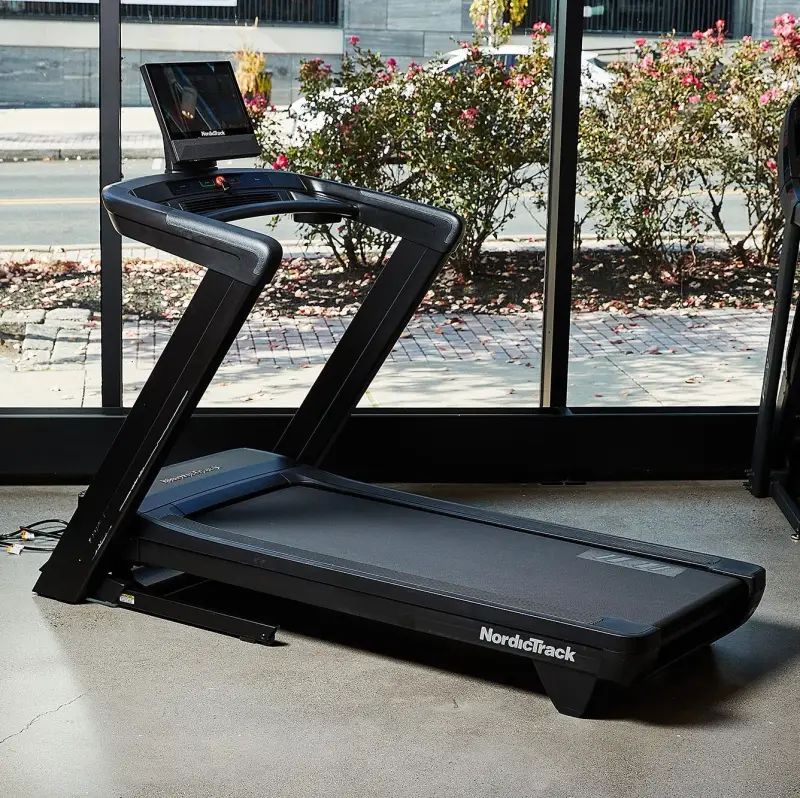
The Commercial 1750 combines a roomy belt, adjustable cushioning and a broad set of connected features. Its running surface measures 22 by 60 inches. The treadmill reaches 12 mph, inclines to 12 percent and declines to minus 3 percent. It has a 4.25 continuous horsepower motor, a listed 300-pound weight limit and weighs 310 pounds.
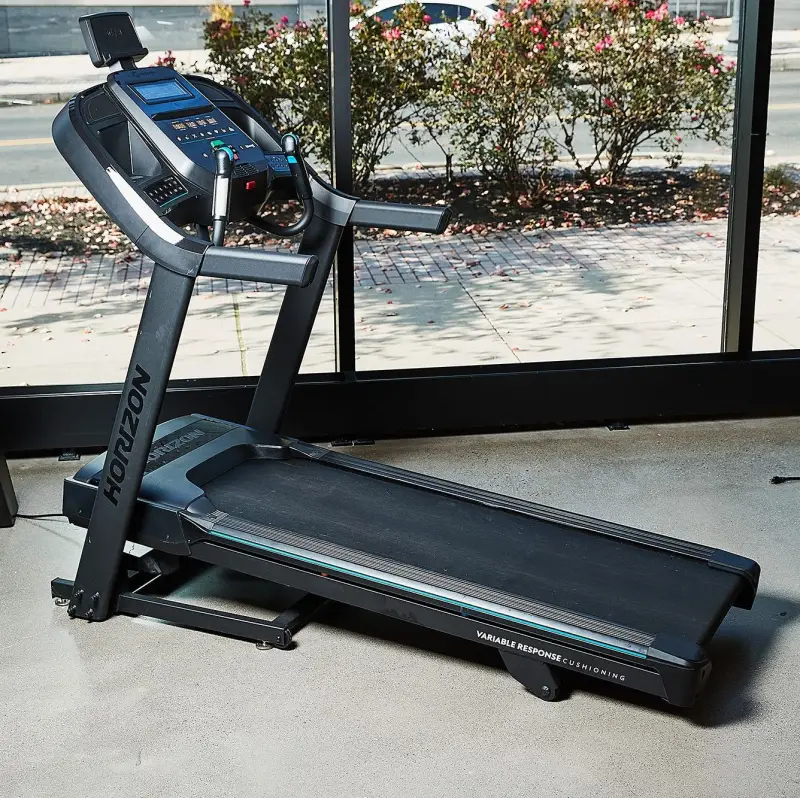
During testing, the cushioning felt balanced: responsive underfoot without feeling excessively soft. The 60-inch deck gave taller testers space to run comfortably. A 16-inch touchscreen sits on a streamlined console, and iFit provides more than 10,000 workouts with a subscription. The treadmill can also sync with Strava, Apple Health, Google Fit and Garmin Connect. Netflix, Prime Video and Spotify are available through the machine’s entertainment features.
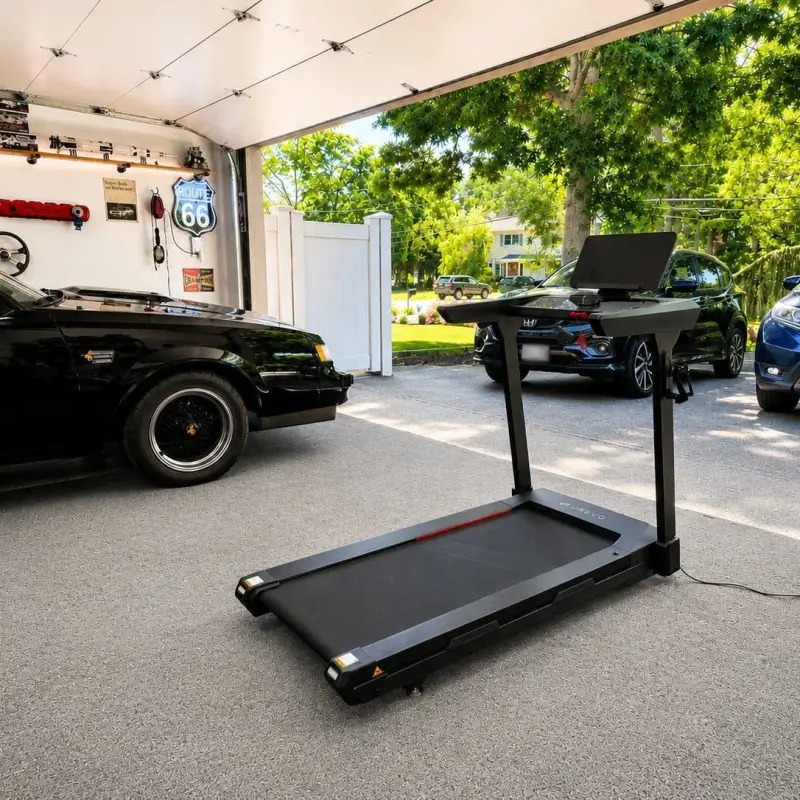
Speed and incline changes were easy to make, and the ActivePulse feature can adjust the treadmill to help keep a user within a selected heart-rate zone. The machine’s fan adjusts to running speed. In testing, the belt moved from 6 to 12 mph in about eight seconds. That may work for many interval sessions, though runners who make very rapid pace changes may notice the delay. There are also no dedicated quick keys for 10 and 11 mph.
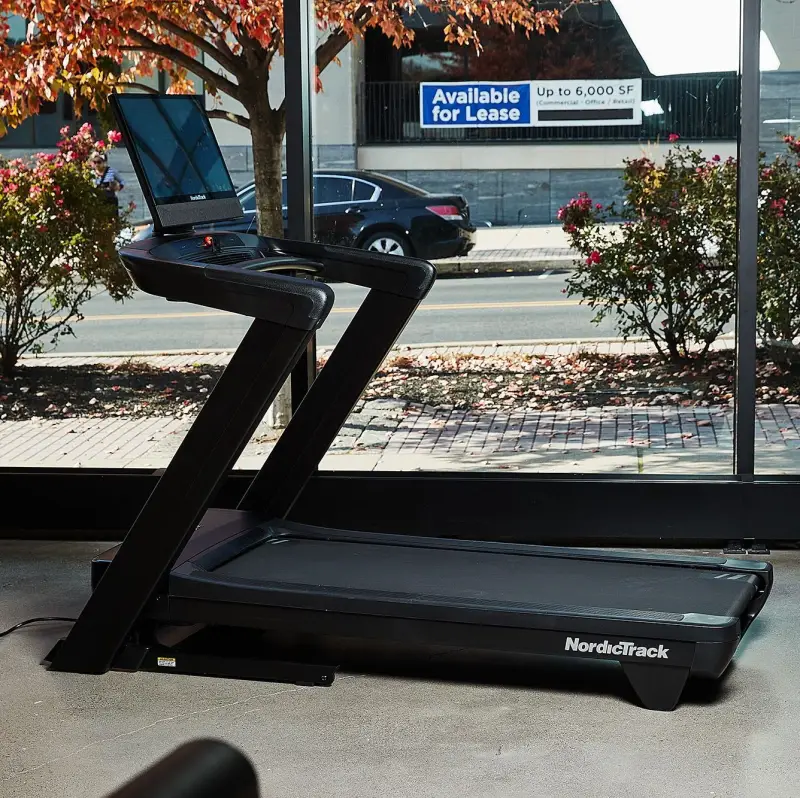
The console’s cup holders were considered shallow, and the motor and speakers can make some noise. The value depends partly on whether the user wants its screen and coaching ecosystem; those features add complexity and the subscription has a separate cost. The reported price was $1,999 against a listed regular price of $2,299, but prices vary.
Horizon T101 Connect: best value
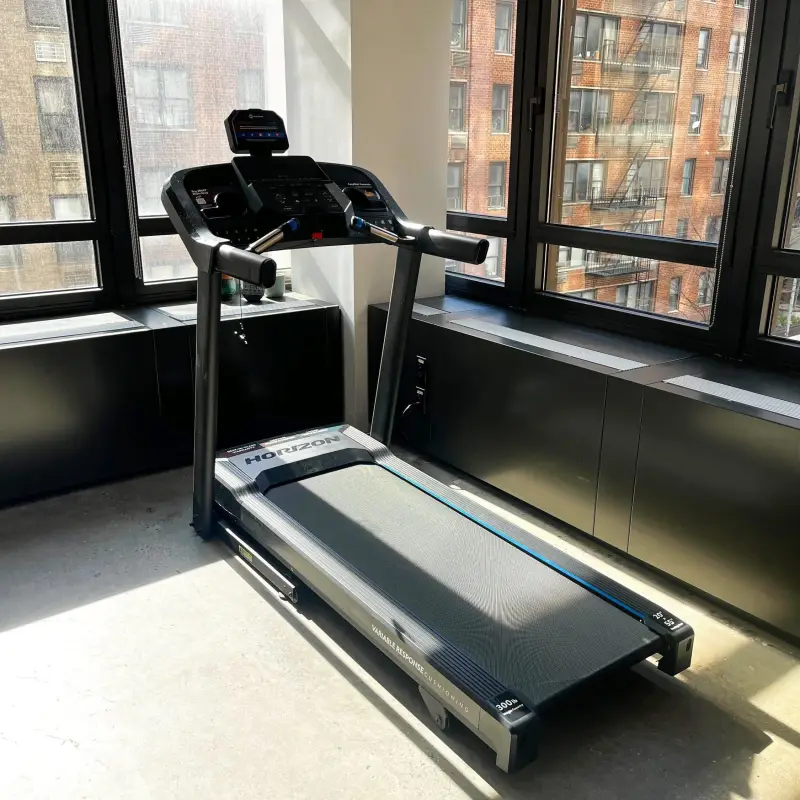
The T101 is a compact folding treadmill aimed at walkers and casual runners who want practical controls without a large screen. Its 20-by-55-inch belt reaches 10 mph and a 10 percent incline. The motor is listed at 2.5 continuous horsepower, the weight limit at 300 pounds and the machine weight at 180 pounds. It has six built-in programs, a three-speed fan and Bluetooth speakers.
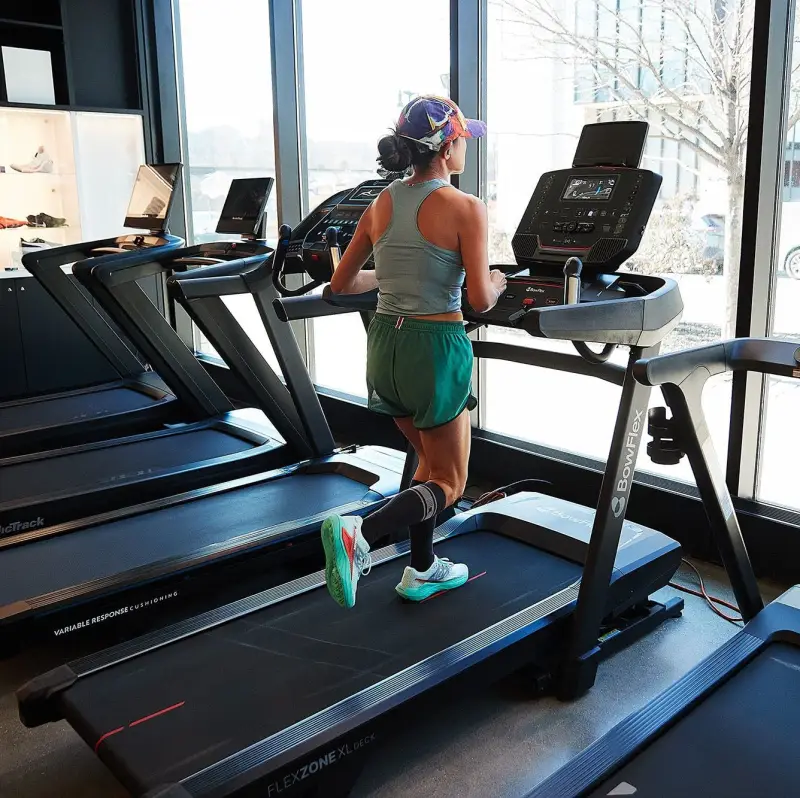
Testing found that it performed consistently over several weeks and was relatively easy to set up. Its low deck may feel comfortable for casual use, and the cushioning is arranged in three zones: more support where the foot lands, less at toe-off and a transition between them. The treadmill connects with apps including Zwift and Strava, and the atZone app offers workouts and courses. A device shelf can hold a tablet.

The belt’s 55-inch length may feel short for taller runners or people with a long stride. The testing notes suggest it is best suited to casual runners around six feet tall or shorter. The fan may sit too high for some users, and the pace and incline dials respond to small movements, so adjustments require care. The treadmill folds using a hydraulic mechanism: lift the rear of the deck to raise it, then release it by pressing the center bar with a foot.

The reported sale price was $600, with another listed price of $740. It offers a sensible feature set for walking and moderate running, but runners focused on long-distance or fast training may prefer a longer deck and higher top speed.
Horizon 7.0 AT: best for half-marathon training
The Horizon 7.0 AT pairs a 20-by-60-inch deck with a 12 mph top speed and a 15 percent maximum incline. Its 3.0 horsepower motor supports a listed weight limit of 325 pounds. The machine weighs 277 pounds and includes seven programs, Bluetooth speakers and connections to Peloton, Apple Watch and Samsung Galaxy Watch.

Testers liked the long deck, cushioning and eye-level tablet holder. The controls include grip-mounted knobs for changing pace while running. The speed increase was convenient, though slowing down had a slight lag. The 20-inch belt is narrower than some alternatives, and the deck felt bouncy during incline running above 5 percent. That may matter to runners who plan frequent uphill sessions or want a firmer feel.

The display is a digital and manual console rather than a large built-in entertainment screen. A fan and two shallow cup holders sit nearby. The machine can connect with online classes and fitness watches, which may help runners who already use those services. The reported sale price was about $1,099, compared with a listed regular price of $2,100. It is heavy, and the testing account recommends considering delivery and assembly support.
UREVO CyberMega: a marathon-focused option
The CyberMega’s main distinction is its marathon-centered app. The treadmill includes guided marathon courses that control speed and incline, AI coaching and a competitive leaderboard. It has a rotary control for pace and incline changes, and testing described the controls as responsive. The machine weighs 140 pounds and folds for storage, making it lighter and more compact than many full-size treadmills in this selection.

Its listed specifications include a 52-by-19-inch belt, a 12.5 mph maximum speed, a 12 percent maximum incline, a 4 horsepower motor and a 300-pound weight limit. The testing account describes the ride as smooth and the overall experience as engaging. The short belt is the tradeoff. People taller than six feet, or anyone who needs more room to run, may find the deck restrictive.

The training tools are designed to add structure and motivation, but a leaderboard or coaching feature should be treated as an optional aid. The available information does not show that these tools produce better marathon outcomes. Runners following a plan may want to check that the treadmill’s speeds, incline range and app features match the sessions they intend to do.

NordicTrack Commercial 2450: best for households with multiple runners
The Commercial 2450 has a 22-by-60-inch running surface, a 14 mph top speed, a 12 percent incline and a minus 3 percent decline. Its 4.25 continuous horsepower motor supports a listed weight limit of 400 pounds. The machine weighs 303 pounds. Its 24-inch touchscreen works with an iFit library described as containing more than 10,000 workouts, and the treadmill can adjust to help maintain a selected heart-rate zone.

The large deck and sturdy build make it a candidate for homes where several people run or one person logs high mileage. Testers found the cushioning comfortable and the console’s Z-shaped design left room at the front of the belt. The treadmill reportedly moved from 6 to 14 mph in under 10 seconds. Quick controls are available, though testers sometimes found it difficult to select an exact pace.

The large screen can show workouts or entertainment, and iFit includes marathon courses. A subscription is needed for the full workout library. The treadmill’s entertainment options include Netflix, Prime Video and Spotify. The main drawbacks are the missing quick keys for speeds from 10 to 13 mph, its size and the effort involved in assembly. The motor can also be audible, which may disturb others during an early workout.

ProForm Carbon TLX: best for straightforward training
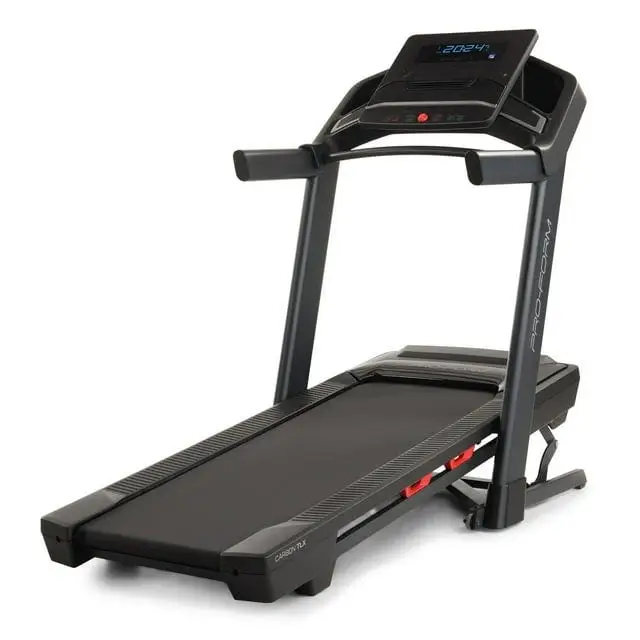
The Carbon TLX is a simple machine for people who value basic running functions over an elaborate console. It has a 20-by-60-inch deck, a listed 12 mph maximum speed, a 12 percent incline and a 350-pound weight limit. The specs list a 1.6 horsepower motor and a machine weight of 249 pounds. It connects with phones, tablets and iFit, and has Bluetooth speakers.

Testers described the surface as cushioned and responsive, with a natural-feeling stride on the full-length deck. At higher speeds, the soft surface had some bounce; testers also noted bounce when the deck was inclined. The fan was considered powerful and well positioned. Controls were easy to use, and pace changes felt smooth.
There is no large built-in screen, and the machine has fewer extras than the connected models. That simplicity may suit someone who wants to get on, run and finish without navigating a large media system. The reported price was $999. Before purchase, compare the model’s listed maximum speed and motor specifications with the seller’s current product details.
Bowflex T9: best for longer runs
The Bowflex T9 offers a 22-by-60-inch deck, a 12 mph maximum speed and a 15 percent maximum incline. It has a 3.5 horsepower motor, a listed 350-pound weight limit and weighs 282 pounds. The frame folds, and its eight built-in programs work alongside JRNY, Peloton and Zwift. It also has a fan and a lifetime frame warranty, according to the product information presented.

The testing account describes a firm, comfortable surface and quiet landings. A red line down the belt can help runners keep their position centered, and a large tablet holder gives room for videos or workout data. It connects with an Apple Watch as well as several training apps. These features make it adaptable for runners who want to use outside services rather than rely on one treadmill’s program library.

Controls were slower when making large changes to speed or incline. The machine has limited built-in workout options, and runners may need to enter settings manually. That can be inconvenient during intervals. The reported sale price was $1,400, compared with a listed regular price of $3,000. Its long deck and incline range are useful, but the slower adjustments may not suit every workout style.
Echelon Stride-6: best for saving space
The Stride-6 has a 20.5-by-60-inch belt, a 12.4 mph top speed and a 12 percent maximum incline. Its 3.0 continuous horsepower brushless motor is described as quiet. The machine weighs 180 pounds, has a 300-pound listed weight limit and includes Bluetooth, a fan and heart-rate sensors. Its workout programming is limited compared with machines built around extensive connected libraries.

In testing, the 60-inch deck accommodated a six-foot runner, and the firm cushioning felt closer to a road surface than a soft, springy one. The treadmill folds flat and can be stored under a bed or stood upright in a closet. It can fit smaller homes without reducing the belt length as much as some compact models do.

The control buttons are on the handlebars, and there is no built-in screen. Testers found it less suited to rapid pace changes. The fan and heart-rate sensors add convenience, but the folded treadmill is heavy to lift upright and move alone. An Echelon app subscription provides instructor-led classes, which testers found engaging. The reported price was $1,400, compared with a listed regular price of $2,000.
GOYOUTH Walking Pad: best for desk walking
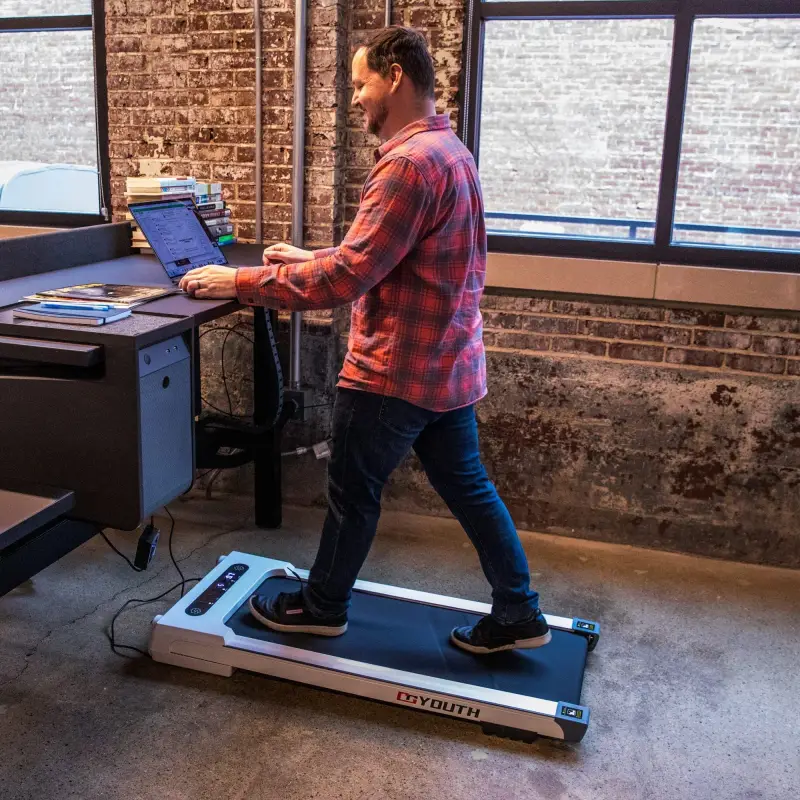
The GOYOUTH walking pad is intended for walking rather than running. Its belt measures 16 by 42 inches, its maximum speed is listed at 3.73 mph, and its motor is listed at 2.25 horsepower. It weighs about 50.7 pounds and has a 300-pound weight limit. The compact design, remote control and wheels make it easier to move than a full-size treadmill.
Testing described the pad as smooth underfoot, quiet enough for work use and easy to set up. It can fit beneath a standing desk and can be stored vertically. The small belt is the obvious limitation: users need to pay attention to foot placement, and it is not designed for running. The reported price was $235, compared with a listed regular price of $285.
How the treadmills were assessed
The tester reports personally running on each model, with additional input from other editorial staff. The evaluation involved miles of use across different settings, including changes in speed and incline. Testers considered how each treadmill felt, how quickly its controls responded, how it sounded, and how its performance compared with its price. Setup, delivery and customer service also factored into the assessment.
That approach offers practical information about day-to-day use, but it is not a controlled clinical study. Results are based on the team’s experience with the machines, and comfort is personal. A deck that feels stable to one runner may feel narrow or soft to another. If possible, test a treadmill in person, especially when stride length, balance, noise or control layout is a concern.
What to consider before choosing
Deck size and stride
Choose a belt that leaves enough room to run or walk without feeling crowded. The guide treats 20 inches of width as a practical minimum for runners and walkers with a consistent gait and few distractions. A narrower belt can save space, but it leaves less margin for side-to-side movement. Deck length depends on height, stride and where a person naturally runs on the belt. A short deck can make it feel as though the runner is nearing the console or falling behind the moving surface.
For running, the guide suggests looking for at least 55 inches of deck length. For walking, 45 to 50 inches may be enough for many users. These are general starting points, not guarantees of fit. A taller person or someone with a long stride may need a longer surface. Walking pads, including the GOYOUTH, have considerably shorter belts and are designed for a narrower range of use.
Speed controls
Match the treadmill’s top speed to the fastest pace you expect to use, then consider how easily the machine changes pace. Responsive controls matter during interval sessions, when stopping to search for a button can interrupt a workout. Some models offer quick keys or grip controls; others rely on buttons or dials that may respond slowly or jump more than expected. If possible, try the controls while walking and running at different speeds.
Incline and decline
Incline settings can add hill work and help prepare for routes with climbs. Several models here reach 12 percent, while the Horizon 7.0 AT and Bowflex T9 reach 15 percent. The NordicTrack 1750 and 2450 also include a decline setting. Not every runner needs a decline feature, and a treadmill’s stated maximum does not tell you how its deck feels at that angle. The Horizon 7.0 AT, for example, felt bouncy to testers at inclines above 5 percent.
Programs, screens and connectivity
Connected systems can provide guided workouts, training plans, heart-rate features and entertainment. The NordicTrack models offer iFit libraries, while other machines connect with apps such as Peloton, Zwift or Strava. Some features require a subscription. Think about whether you want built-in instruction or would rather use a phone or tablet with the apps you already know. A screen can make indoor workouts more engaging, but it may add cost and require a reliable internet connection.
Motor, capacity and build
The belt motor powers the moving surface, while another motor may adjust incline. The guide describes treadmill motors in the range of about 1.5 to 4 horsepower and notes that stronger motors are common on models with higher weight limits. In its testing experience, higher-power machines tolerated repeated use well, though they often cost more. Horsepower alone does not determine whether a treadmill is right for a particular person; deck size, stability, intended use and the manufacturer’s capacity limit also matter.
Price, delivery and assembly
A treadmill’s purchase price is only one part of the cost. Large machines can be difficult to carry, assemble and position, and some connected features require ongoing fees. The Commercial 2450 weighs 303 pounds and the 1750 weighs 310 pounds; the testing account also describes the Horizon 7.0 AT as difficult to assemble. Ask the seller what delivery includes and whether assembly help is available. Check the room dimensions and the route to the intended location before delivery.
What a physical therapist says about treadmill use
Allison Greer, PT, DPT, SCS, a physical therapist at Hospital for Special Surgery, describes treadmills as useful for controlling workout conditions. A person can set speed, incline and duration precisely, which can help when gradually returning to activity after an injury or time away, starting to run, or following a specific workout. Predictable access may also support a more consistent exercise routine.
That predictability comes with tradeoffs. Greer says treadmill running differs biomechanically from running outdoors, and she points to research indicating greater loading of the Achilles tendon during treadmill running. A treadmill also does not reproduce the varied movements involved in outdoor routes, such as turning, handling hills or stepping around uneven ground. Runners may report that treadmill sessions feel more strenuous than comparable outdoor running.
Speed can be increased quickly, so the belt should remain at a pace that allows a person to run with safe, familiar mechanics. Greer recommends holding the handrails for stability when speed changes and warming up and cooling down by gradually raising and lowering pace. People returning after injury, managing a health condition or uncertain about a suitable level of activity can discuss treadmill use with a doctor or physical therapist.
Setting up a treadmill at home
Treadmills are heavy equipment, and their placement affects clearance, stability and noise. The installation guidance provided by Ed Pryts, a treadmill industry veteran, recommends checking the room before delivery. Add 15 inches to the user’s height to estimate ceiling clearance; for a person six feet tall, that means at least 7 feet 3 inches. Leave at least 3 feet of clear space behind the treadmill.
- Set all four contact points firmly on a stable floor. Positioning the treadmill near a wall may help it feel more secure.
- Consider a treadmill mat if there is a bedroom or another apartment below the room. It may reduce noise transmitted through the floor.
- Measure doorways, corners and the destination room. For a basement or tight space, professional movers can help. If handling the move yourself, the guidance suggests moving the deck first, then the uprights and console.
- Where possible, use a dedicated electrical circuit. Other appliances on the same circuit may contribute to an overload and an unexpected shutdown.
- Unplug the treadmill when it is not in use, especially in a home with children. Keep the cord secured so it cannot be pulled or caught.
A treadmill should suit the person using it, the workouts they plan to do and the room where it will live. Comparing deck dimensions, speed controls, storage needs and setup support can reveal more than a feature list alone. For health questions or a return to exercise after injury, a clinician or physical therapist can help put the equipment choice in context.


