- Subject
- Nutrition
- Filed
- Source
- David Davis
- Loans
- 884
Urolithins: Gut-Made Compounds Under Study for Brain Protection
Gut bacteria turn pomegranate and berry compounds into urolithins. Lab and animal work hints at brain benefits, but human trials are still needed.

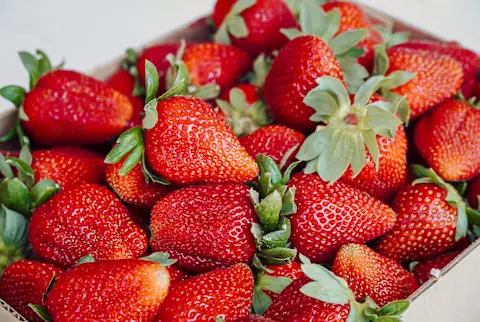
Here's the part that caught my attention: the compounds in question aren't really in your food at all. They're made inside your gut. A recent review, published in a scientific journal, focuses on urolithins, a group of molecules that researchers are now examining for possible effects on brain health and Alzheimer's disease. The early picture is interesting, but it's far from settled.

Why the food isn't the whole story
Pomegranates, strawberries, raspberries, blackberries, and walnuts contain compounds called ellagitannins. On their own, these don't turn into urolithins when you eat them. Your gut bacteria have to break them down first, and urolithins are one of the byproducts of that process.
That step is where individuals start to differ. The bacteria living in your gut determine how well your body makes urolithins, so two people eating the same bowl of pomegranate seeds may end up with very different amounts. Some people convert these plant compounds efficiently. Others produce very little. That variation may help explain why people respond so differently to diets rich in polyphenols, the broad family of plant compounds that ellagitannins belong to.
What the review says urolithins might do in the brain
The review draws mostly on lab work with brain cells and experiments in animals. One detail matters a lot for a compound with brain-related claims: urolithins can cross the blood-brain barrier, the tightly regulated layer that keeps many substances out of brain tissue. Getting past that barrier doesn't prove anything about benefit, but it's a necessary first condition for a compound to act directly on the brain.
Once they reach brain tissue, the review describes several possible effects:

- Protecting nerve cells: Urolithins may help shield the internal structures of nerve cells from damage linked to tau, a protein that accumulates in Alzheimer's disease.
- Calming inflammation: They appear to quiet overactive immune cells in the brain, which can keep low-level inflammation going.
- Reducing oxidative stress: Acting as antioxidants, they may help neutralize reactive molecules that damage cells.
- Supporting cellular cleanup: They may help clear worn-out mitochondria, the energy-producing structures inside cells. When this cleanup breaks down, it has been connected to Alzheimer's, though the link is still being mapped.
Notice that each of these is a plausible mechanism, not a demonstrated outcome in people. Lab and animal results often look promising at this stage and then fail to carry over to human patients, so the distance between "this affects brain cells in a dish" and "this protects your brain" is large.
Why gut health enters the picture
The review frames urolithins as a link between diet, gut health, and brain aging. If the gut's bacterial makeup controls how much urolithin you produce, then the gut could be an unexpected lever for brain-related protection. The suggestion is that a varied, diverse gut community may improve your capacity to make these compounds from the foods you already eat.
That's a reasonable hypothesis, but it's a hypothesis. Right now, we don't have clear evidence that changing your gut bacteria changes your urolithin output enough to affect cognition over time. Treat it as a direction for research rather than a tested strategy.
Practical food-focused takeaways
If you want to act on this research without overreading it, the general approach comes down to two habits. The first is eating foods that contain ellagitannins, such as pomegranates (and 100% pomegranate juice), strawberries, raspberries, blackberries, and walnuts. The second is supporting your gut with a wide range of fiber-rich plants, fermented foods like yogurt, kefir, and sauerkraut, and fewer ultra-processed foods, which can disrupt the balance of gut bacteria.
None of this is a special regimen. These are the same foods and patterns that nutrition guidance has long recommended for general health. The urolithin research simply adds another reason to keep them on the plate.
What would strengthen the case
The most important missing piece is human data. Researchers would need to show that people who produce more urolithins, or who are given them in controlled settings, experience measurable changes in brain health or cognitive decline over time. They'd also need to sort out how much of the effect, if any, comes from urolithins specifically rather than from the broader diet those foods come with.
Until then, my read is that urolithins are a promising research thread, not a proven protective tool. If you're worried about memory changes, or you take medications and are thinking about making major dietary shifts, that's a good conversation to have with your doctor or pharmacist. Eating more berries and walnuts is a sensible choice either way. Just don't expect them to do the job of a diagnosis, a treatment plan, or a clinical trial.


