- Subject
- Nutrition
- Filed
- Source
- Michael Miller
- Loans
- 609
Six On Running Shoes Compared: Daily Trainers, Racing Models and Trail Picks
Compare six On shoes by fit, cushioning and use, from everyday miles to ultra trails, with key tradeoffs and test details.
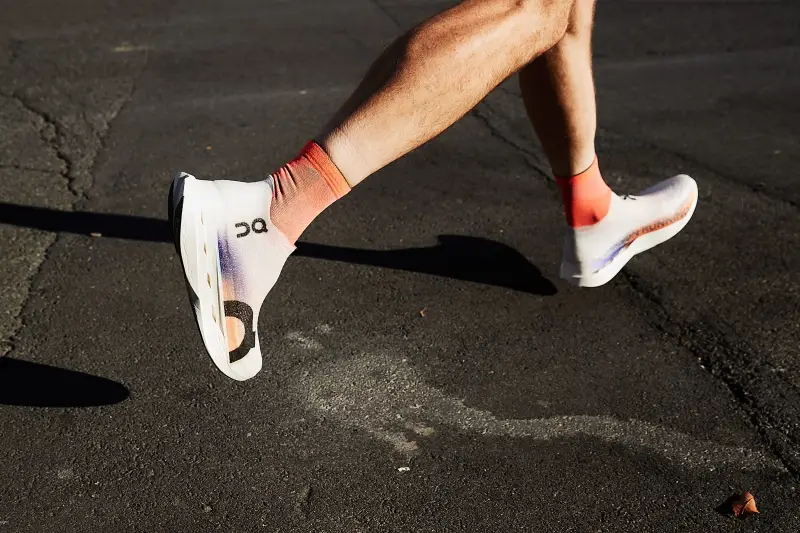
On’s running shoes cover distinct needs, but the brand’s signature cushioning and design language can make the lineup feel more alike than it is. The practical differences show up in firmness, fit, stability, weight and the kind of running each shoe is built to handle. The Cloudmonster 3 stands out as an adaptable daily trainer; the Cloudsurfer 2 offers a firmer ride at a lower listed price; and the Cloudboom Strike 2 and Cloudultra Pro are more specialized choices for racing and long trail efforts.

These picks draw on product testing by experienced runners and a larger wear-testing program. More than 300 runners took part in the team’s process, with testers asked to run at least 100 miles in a shoe before sharing feedback. The selection also reflects industry research, discussions with brand representatives, and nearly a decade of lab data and tester reports. That approach offers useful real-world impressions, though individual fit and comfort can still vary.
Everyday road running
On Cloudmonster 3: a versatile daily trainer
The Cloudmonster 3 is the strongest all-rounder in this group for runners who want a lively trainer that can handle regular miles. Its engineered mesh upper feels more secure than the previous version, holding the midfoot without feeling loose, while allowing airflow and moving with the foot. The listed price is $190. It weighs 10.4 ounces in men’s sizing and 8.5 ounces in women’s sizing, with a 6-millimeter drop.

Expect a firmer first impression. Testers found that the shoe softened into its stride after a few runs, and that the CloudTec cushioning became more noticeable around 15 miles of use. The resulting feel is energetic and snappy rather than plush. Despite its substantial stack, the shoe felt stable on uneven ground, including gravel and rocky surfaces. Its relative firmness appears to help keep the platform composed.
That makes the Cloudmonster 3 a sensible option for runners who value a secure upper, dependable footing and some spring in a daily shoe. Runners seeking an immediately soft, flexible feel may need time to adjust, or may prefer a different model.

On Cloudsurfer 2: a lower-priced, dependable option
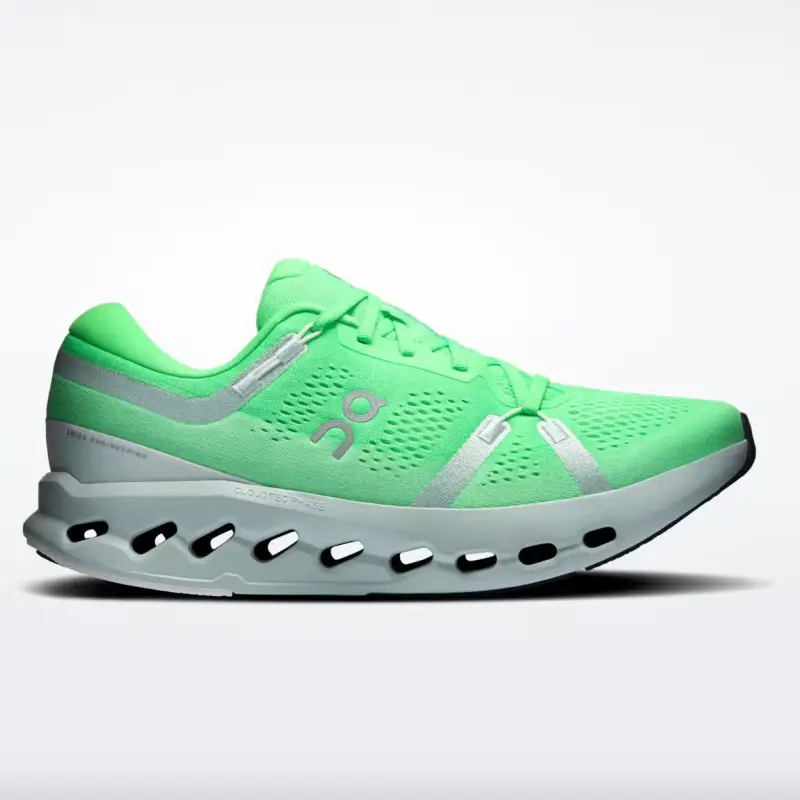
At a listed $160, the Cloudsurfer 2 costs less than several other On models in this selection. It weighs 9.2 ounces in men’s sizing and 7.9 ounces in women’s sizing, and has a 9-millimeter drop. The updated tongue is a noted improvement, and testers found the shoe suitable for regular daily miles.
The defining trait is its firm, consistent ride. It feels firmer than the original Cloudsurfer, so runners looking for a soft, bouncy sensation may not find it satisfying. The shoe’s chunkier outsole rubber is intended to handle repeated use, and the overall character is steady and uncomplicated. For someone who prefers predictable cushioning and wants to stay nearer the lower end of this group’s listed prices, that tradeoff may work well.
“Best value” is relative: $160 is still a meaningful purchase, and price alone can’t establish which shoe is best for a particular runner. Fit and preferred cushioning matter at least as much as the difference between models.
Fit and foot-strike preferences
On Cloudswift 4: a rearfoot-friendly geometry
The Cloudswift 4 is designed with heel and midfoot landings in mind. Its 10-millimeter drop and 32.7-millimeter heel stack support a transition from heel toward toe. A dual-density Helion midsole pairs softer foam above with a firmer base, while a shortened, three-quarter-length Speedboard adds structure. The shoe is listed at $170, weighs 9.8 ounces in men’s sizing and 8.8 ounces in women’s sizing, and has a 10-millimeter drop.
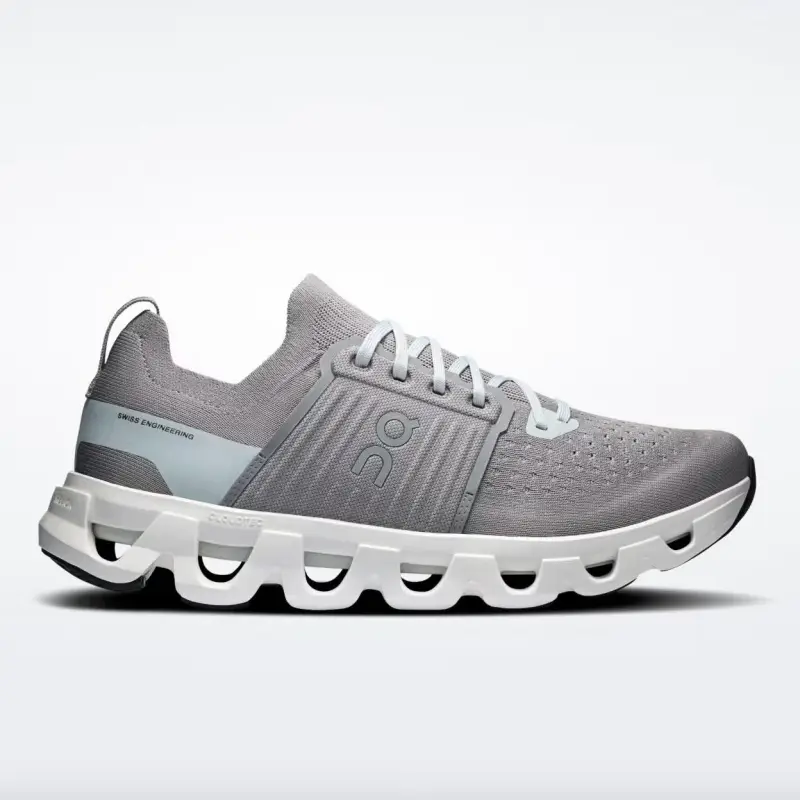
Testers praised the locked-in, breathable mesh upper and lacing system, as well as the shoe’s protective feel on everyday and mid-distance runs. The ride is firm rather than cloud-soft, and its response is moderate. Runners planning longer outings may want more cushioning, while those with a wide forefoot should pay attention to the relatively narrow toe box.
These observations describe how the shoe felt to testers; they don’t establish that one landing pattern is better or that a particular shoe prevents injury. Comfort is individual, and a secure fit should feel comfortable throughout the run.
On Cloudsurfer 3: roomy fit and soft, structured cushioning
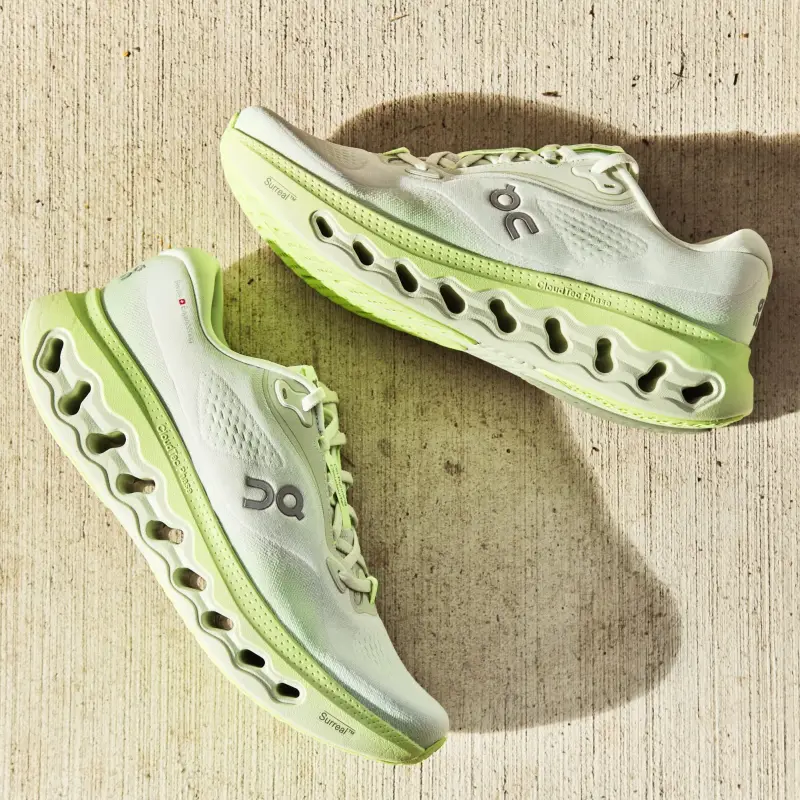
The Cloudsurfer 3 is listed at $160 and is the choice in this group aimed at runners who need more room, including some with wide feet or high insteps. Its listed weight is 10.8 ounces in men’s size 10 and 9.5 ounces in women’s size 9, with an 8-millimeter drop. The upper’s fit was described as roomy yet secure, and testers noted that the shoe worked well for longer, easier miles.
It introduces On’s Surreal supercritical foam, which the brand describes as its softest cushioning to date. Testers found the feel soft but structured, with enough shape retention to avoid a sinking sensation. This is a daily trainer built around comfort and steady mileage, rather than speed. One tradeoff is warmth: the upper’s breathability may not be enough for runners who prefer a cooler feel.
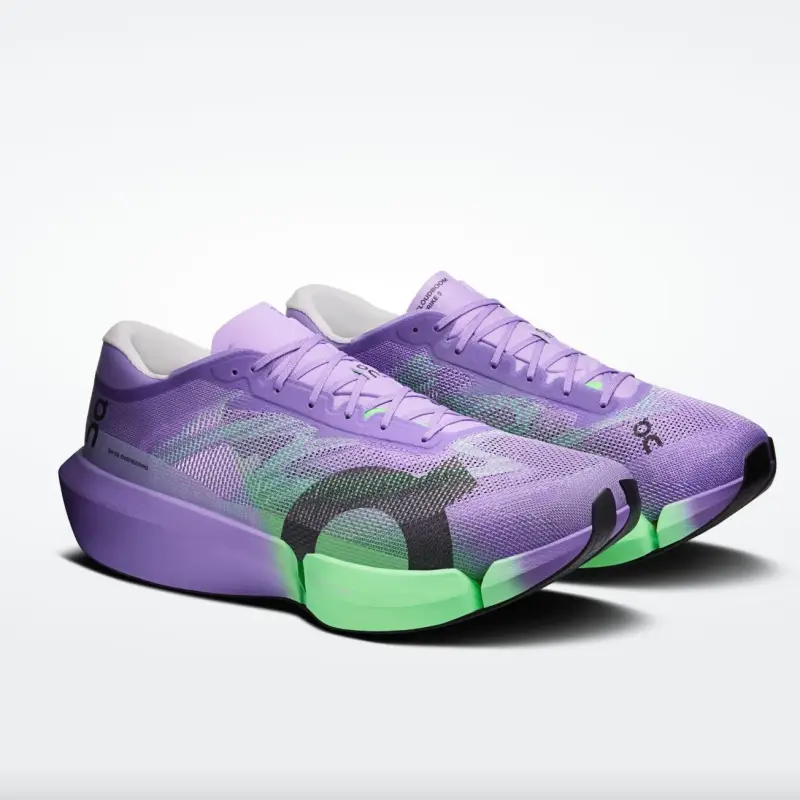
The product timing matters. The Cloudsurfer 3 was not due for full release until February 2027, while the Cloudsurfer 2 remained widely available at the time of the November 13, 2026 update. Check availability and model details when comparing them, since the newer shoe’s fit and cushioning are different from those of its predecessor.
Performance-focused choices
On Cloudboom Strike 2: a lightweight road-racing shoe
At a listed $250, the unisex Cloudboom Strike 2 is the most specialized road shoe in the group. It weighs 7.1 ounces and has a 5-millimeter drop. The redesign is described as lighter and more responsive than the first version, with less tendency for the foam to compress. Testers reported a smooth midfoot flex that helped them roll forward, while the plate added a propulsive feel. The shoe felt quick, springy and breathable.

The fit worked for many foot shapes, but testers cautioned against it for very wide or flat feet. A narrow heel may slip unless the top eyelet is used for a heel-lock lacing pattern. The upper is airy, though its texture may take getting used to. For runners seeking a race-day shoe, the combination of low weight, plate-assisted propulsion and high energy return is the main appeal; those wanting a roomy fit should be cautious.
On Cloudultra Pro: cushioning and grip for long trail outings
The Cloudultra Pro is the trail specialist, listed at $260. It weighs 9.2 ounces in men’s sizing and 7.8 ounces in women’s sizing, with a 6-millimeter drop. Testers who run ultramarathons praised its balance of cushioning and firmness: enough protection and spring for long distances over rocky ground, without the feel being excessively soft.

A reinforced fiberglass Speedboard helps create a forward-driving feel, while Missiongrip rubber and 3.5-millimeter lugs provide traction across varied surfaces. Testers reported strong grip on muddy, slippery terrain, and found the upper breathable and comfortable. The shoe can move between road and trail, which may suit routes that include both. Its most specific drawback is sand: the open mesh can let grit into the shoe, making sandy trails a poor match.
These are tester impressions, not a guarantee of comfort or performance across every route. Trail conditions, foot shape and personal preferences all affect how a shoe feels over long distances.

How On’s main technologies shape the ride
CloudTec is the brand’s cushioning design. Its open cells or tubes sit between the upper and outsole and are intended to compress under load, absorbing impact and helping the runner move forward. The Cloudmonster 3 review describes a version of that cushioning that feels more energetic after the shoe has been broken in.
Helion is On’s cushioning foam, made from EVA and olefin block copolymer. The brand uses it to balance firmness and responsiveness. Helion HF, a Pebax-based version, appears in racing shoes such as the Cloudboom Strike. A Speedboard is a layer within the midsole, typically made from fiberglass, that is intended to support forward motion and stability. Its feel depends on the shoe’s design: it contributes to the racing response in the Cloudboom Strike 2 and the long-distance trail feel of the Cloudultra Pro.
For trail running, Missiongrip is the outsole rubber, shaped into lugs to improve traction. Lug depth and layout vary by shoe and affect how it performs on different surfaces. The Cloudultra Pro’s grip was a clear strength in testing, while its mesh upper made sand a weak point.
Choosing among the six
Start with how and where you run, then compare fit and cushioning. The Cloudmonster 3 is the broadest daily option in this lineup, with a more secure upper and a responsive, stable ride after break-in. The Cloudsurfer 2 favors firmness and consistency at a lower listed price. The Cloudswift 4’s geometry and structured midsole suit runners who find a rearfoot-oriented transition comfortable. The Cloudsurfer 3 offers softer, structured cushioning and more room for some wider feet or higher insteps.
For racing, the Cloudboom Strike 2 prioritizes speed and energy return, with a fit that may exclude very wide or flat feet. For long trail efforts, the Cloudultra Pro pairs substantial cushioning with grip and a breathable upper, but its mesh can admit sand. Trying shoes on, if possible, is a useful way to check whether the toe box, heel hold and midfoot fit work for you. The most helpful choice is the one that feels secure and comfortable in the running conditions you actually face.


