- Subject
- Nutrition
- Filed
- Source
- Robert Garcia
- Loans
- 705
What Three Weeks of Running Three Miles a Day Changed for One Runner
One runner’s 21-day experiment brought better sleep, stronger legs and a more settled routine, but it doesn’t show daily running suits everyone.

Three weeks of running at least three miles each day changed one runner’s sleep, stress and confidence more than she expected. The experience offers a useful look at what regular movement can feel like, but it’s a personal account, not proof that a daily three-mile run will produce the same results for others.
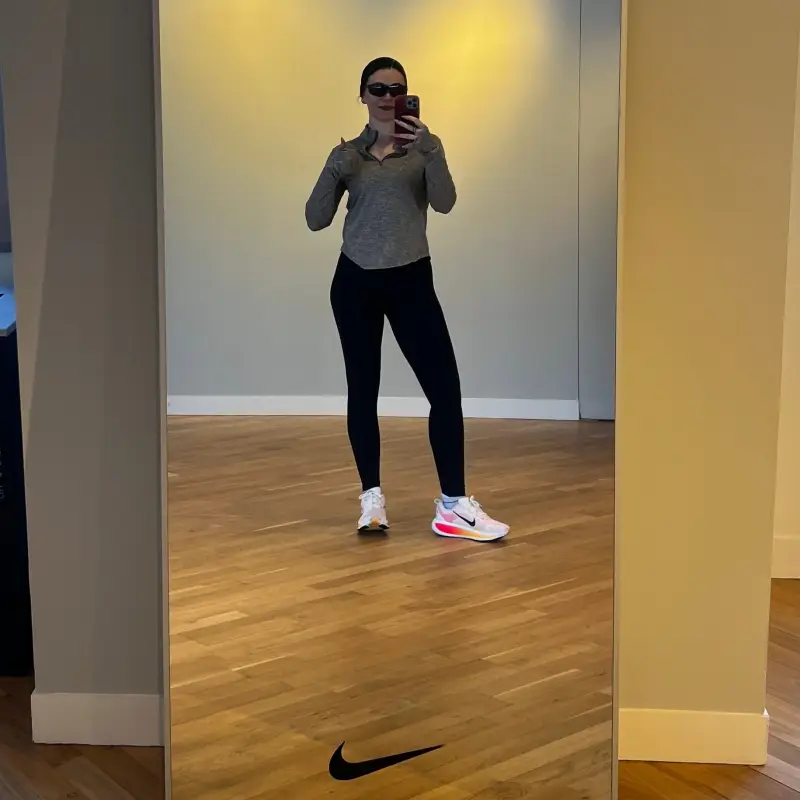
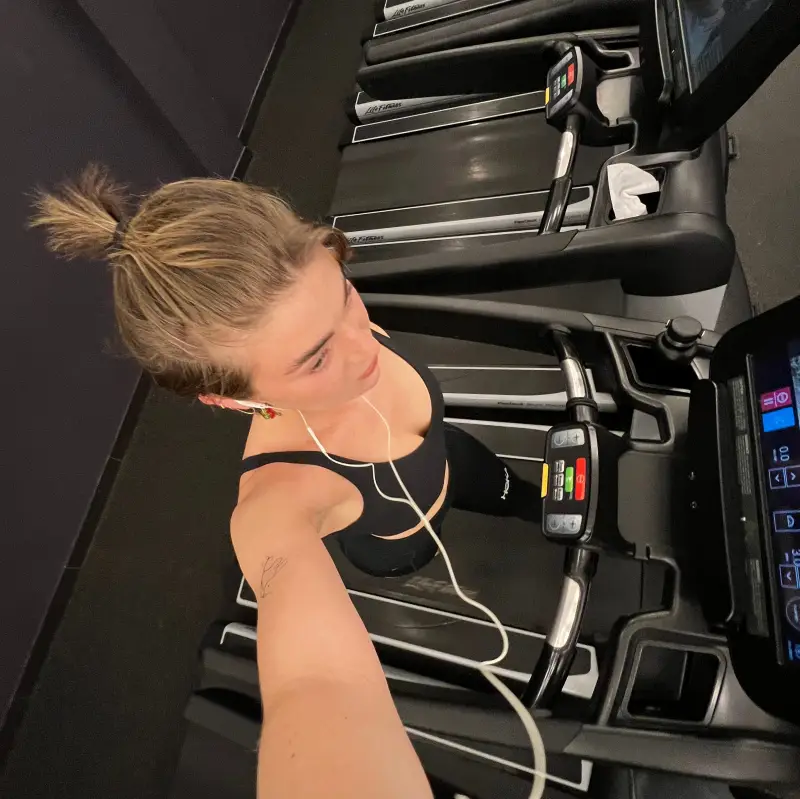
The experiment lasted 21 days. The runner, who already exercised regularly and ran once a week, spent about 30 minutes a day covering a minimum of three miles. She alternated between outdoor routes and a treadmill, and varied her pace. Her goal was consistency, not speed. She didn’t continue her usual strength training during the challenge because fitting both into her schedule felt like too much.
Changes she noticed during the challenge
Sleep felt easier. By the second week, she said she was falling asleep sooner and waking more rested. She already found it harder to settle down at night when she hadn’t used much physical energy during the day. Research cited in the account suggests moderate aerobic activity can support falling asleep and sleep quality, though an individual experience over three weeks can’t establish that running caused a lasting change.

Stress felt less consuming. The daily run created a half-hour break from work and other demands. Afterward, she often felt more patient and focused, and more able to think through whatever had been worrying her. Running became a kind of moving meditation for someone who found it difficult to meditate while sitting still. The change she describes is subjective, but it shows how a regular pause for movement can become part of a person’s approach to stress.

Her legs felt stronger. She noticed more definition in her calves and thighs, and climbing four flights of stairs to her home felt easier. Running repeatedly works lower-body muscles, so her observations are consistent with her body adapting to a new routine. Still, the challenge was short, and she didn’t report formal strength measurements. Her account can’t tell us how much muscle or strength changed, or how another person might respond.

This physical effect surprised her. Before the challenge, her weekly routine usually included two to three strength workouts, one yoga or Pilates session, and a run of two to five miles. She expected the main changes to be mental, since she was already active. Instead, the difference she felt in her legs stood out.

Running began to feel more familiar. By around the sixth day, she found herself preparing for a run with less hesitation: getting dressed, picking up her headphones and keys, and putting on her shoes. At first, she sometimes walked for several blocks before starting to run. By the second week, she was more likely to begin soon after stepping outside.

She also grew more comfortable judging her effort without checking a running app. Listening to the rhythm of her steps helped her find a pace that felt sustainable. A study in Psychology of Sport and Exercise, linked to positive attitudes toward repeated movement, offers a broader explanation for why a routine may start to feel easier with practice. One person’s experience, however, doesn’t guarantee that a new runner will adapt on the same timetable.

Her self-talk became kinder. Before the challenge, she often focused on how long a run would last, how uncomfortable she felt, or how much she wanted to stop. Over time, she began noticing small accomplishments, such as continuing up a hill or speeding up near the end. She said that encouraging herself during runs carried over into how she spoke to herself elsewhere.

That shift may have been the most meaningful outcome for her. The run became a chance to experience doing something difficult and completing it, rather than a stretch of time to endure. This is a personal reflection, not evidence that running treats mental health conditions. Anyone whose stress, sleep or mood concerns persist can raise them with a health professional.
Other wellness habits followed. As the daily runs became established, she found herself choosing water instead of another coffee, stretching lightly in the evening, including protein in meals, and making more time to wind down before sleep. She didn’t set out to remake her entire routine; these small choices felt easier as she made space for running.
How she built up to three miles
She didn’t begin by running three miles continuously on the first day. Her approach developed over the three weeks, with the effort increasing gradually:
- Week one: She used intervals, running for three minutes followed by one minute of light jogging, for about 30 minutes. For someone who finds even that demanding, she suggested replacing the light jog with a walk.
- Week two: She focused on covering three miles slowly, without worrying about pace. She tried to keep moving rather than stop, but slowed further when she needed to.
- Week three: She aimed to run the full distance without stopping, while keeping the effort comfortable. A pace of 10 minutes per mile or faster was a goal, not a requirement; she averaged about 9 minutes and 28 seconds per mile.
Running coach Corky Corkum, CPT, advised beginners to alternate running days with walking or strength training while their bodies adjust. He has said that doing too much too soon can contribute to injury or burnout. That advice puts the daily schedule in context: this experiment describes one person’s routine, not a necessary starting point or a target everyone should meet.
Making room for the routine
Motivation, weather and time were the main hurdles. On mornings when she didn’t feel like running, she laid out clothes the night before and gave herself permission to stop after five minutes if the run felt bad. She said she never needed to use that exit plan. On rainy, windy or chilly days, she moved indoors to a treadmill.
Her three miles took about 25 to 35 minutes, depending on her pace. Running in the morning helped her fit the session in before the day got busy. That timing worked for her; other people may find a different time or a shorter session easier to maintain.
She also found that changing routes helped when the same streets began to feel dull. Logging miles in the Nike Run Club app made progress visible, while stretching, foam rolling, sleep, hydration and food were part of how she supported recovery. These are elements of her own routine, not a checklist required to run.
What to take from one person’s results
For this already active runner, three weeks of daily three-mile runs coincided with better-feeling sleep, more manageable stress, stronger-feeling legs and a more positive attitude toward running. The experience suggests that a manageable routine can have effects beyond the workout itself. It doesn’t show that three miles a day is needed, that the changes will last, or that daily running is right for everyone.
Corkum has said that even four runs a week can offer meaningful benefits. The runner herself doesn’t plan to keep running every day. For anyone considering a similar routine, the practical takeaway is to start at a level that feels manageable and allow time for recovery. A doctor or pharmacist can help address questions about exercise alongside health conditions, symptoms or medicines; persistent pain or unusual symptoms are also reasons to seek professional advice.


